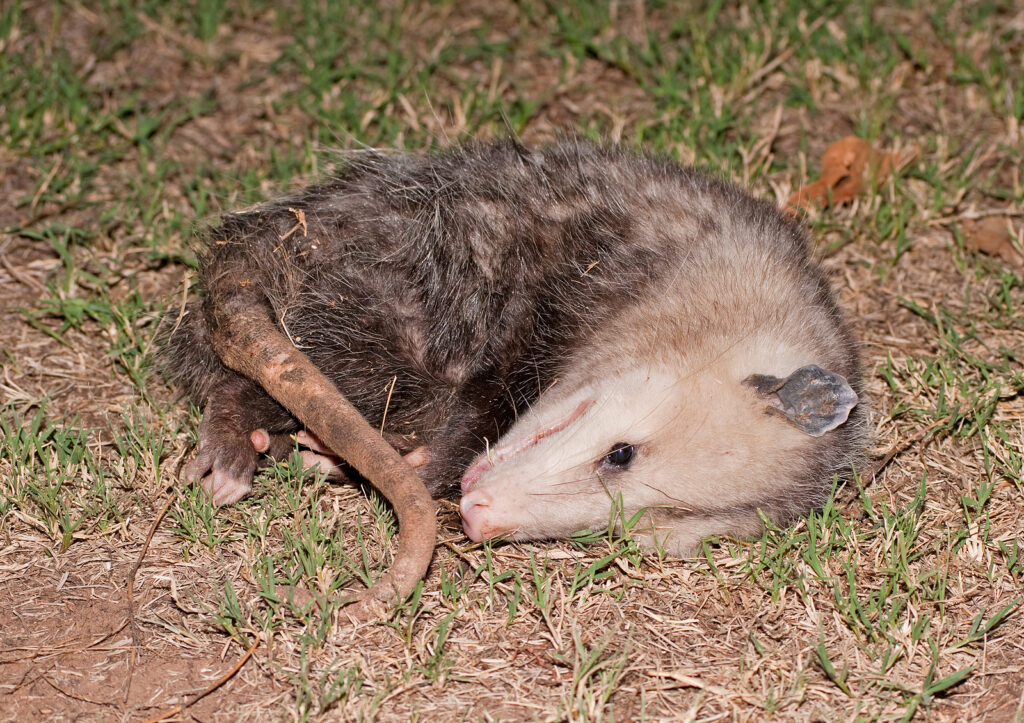
Typically portrayed in popular culture as being ugly, opossums have several physical traits that make them unlike any other North American mammal. First, they are the only marsupial…
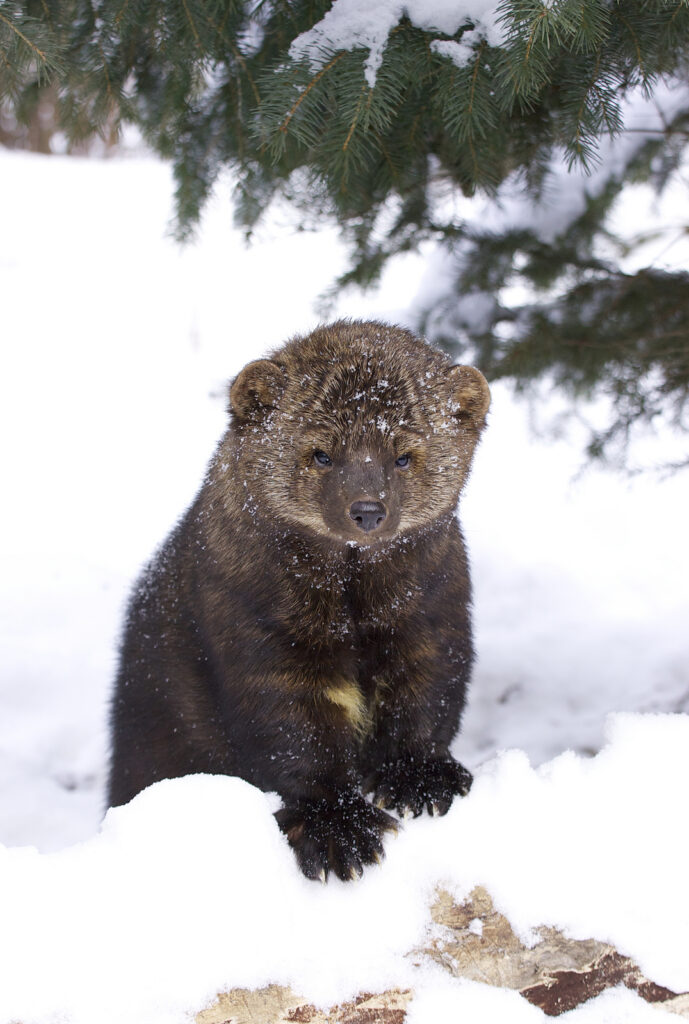
The fisher is one of the most reclusive and therefore misunderstood mammals in North America. Sometimes known as a fisher cat, this large weasel is neither a cat…
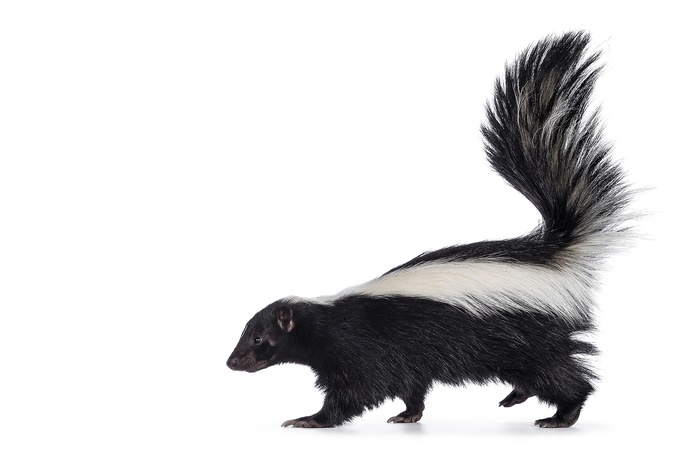
It is built for a life foraging at the ground surface, with short, powerful legs and a stocky body. The head and body measure 13-18 inches, with the…
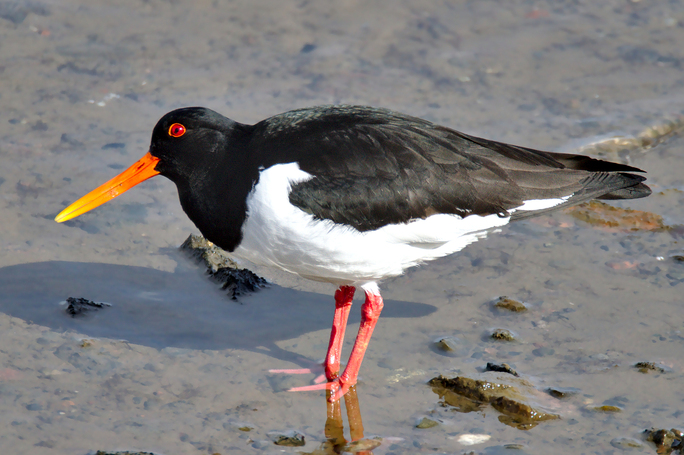
Coastal wetlands are important habitats for many bird species. Additionally, these marshes filter sediment from waterways and absorb floodwaters, both of which are major benefits to humans living…
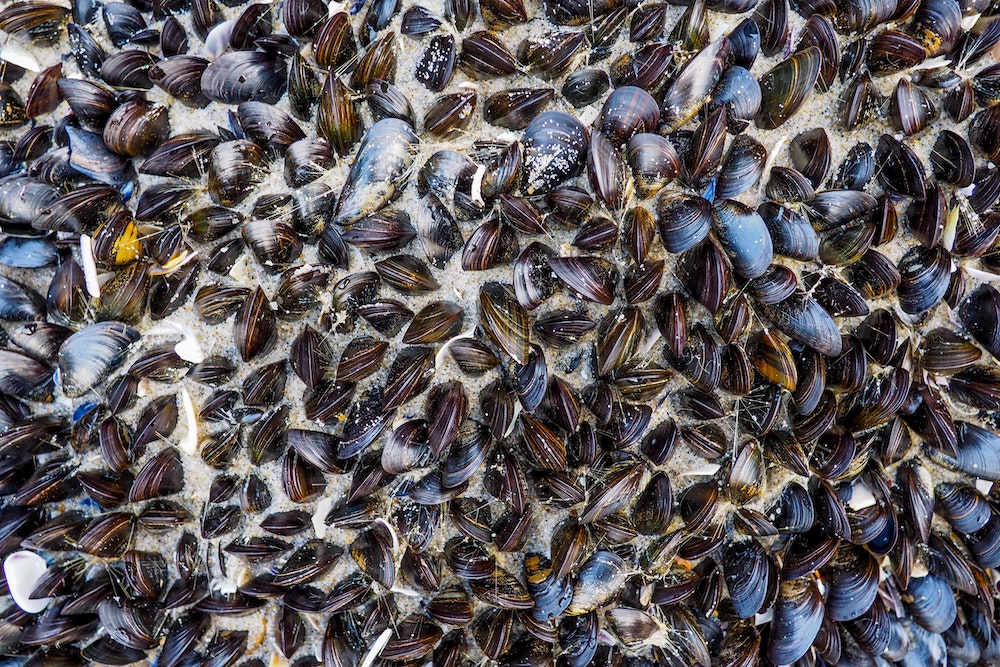
Mussels are very important invertebrates that provide tremendous benefits to their environments. However, many of them face threats and are protected by the Endangered Species Act. Mussels are…
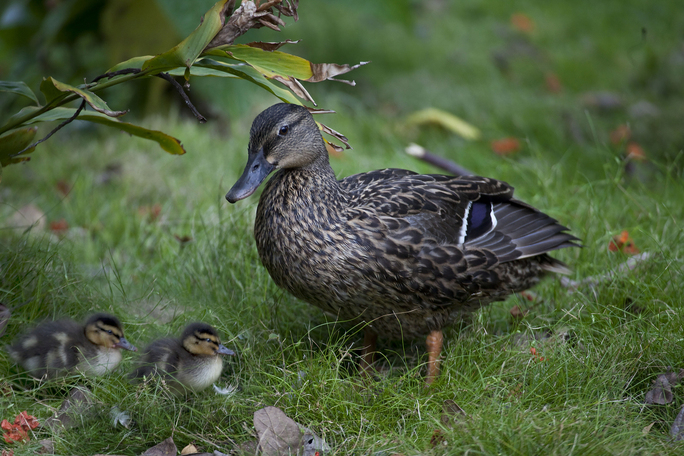
As we have covered in previous editions of Canines Assisting Conservation, the Hawaiian Islands’ paradise of biodiversity is under attack from multiple threats. The native waterfowl of the…
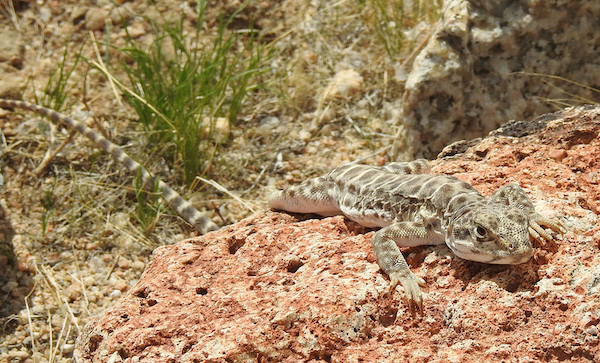
A large lizard species hangs on for survival among the often-sizzling desert and shrublands in San Joaquin Valley of California. In addition to the usual threats of expanding…
One sea turtle species, the Kemp’s ridley sea turtle (Lepidochelys kempii) has experienced a massive decline in population since the 1940s and efforts are now underway to preserve…
Modern science now incorporates canines into many different facets of conservation. From searching for subterranean water pollution to guarding threatened penguin colonies, dogs now have a paw in…
•Wolf Education & Research Center
Make a difference
Every gift protects wild carnivores.
94¢ of every dollar reaches the field — tracking collars, research grants, educator visits and the C3 journal. Your support keeps the work alive.