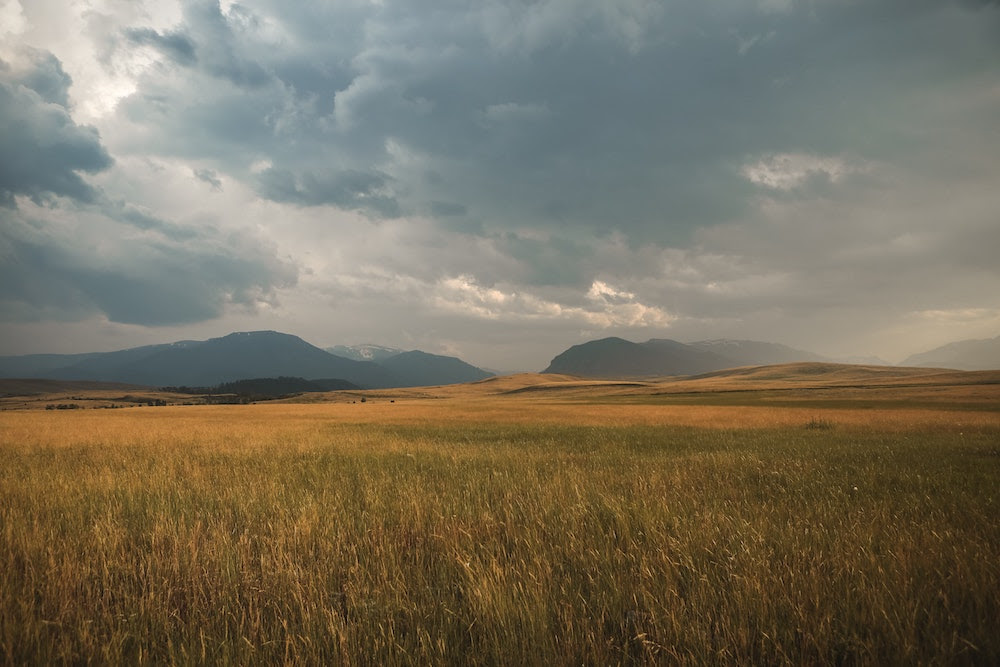
Grasslands are extremely important habitats to preserve. These habitats are home to a lot of biodiversity and play a vital role in storing carbon.1&2 However, grasslands are highly…
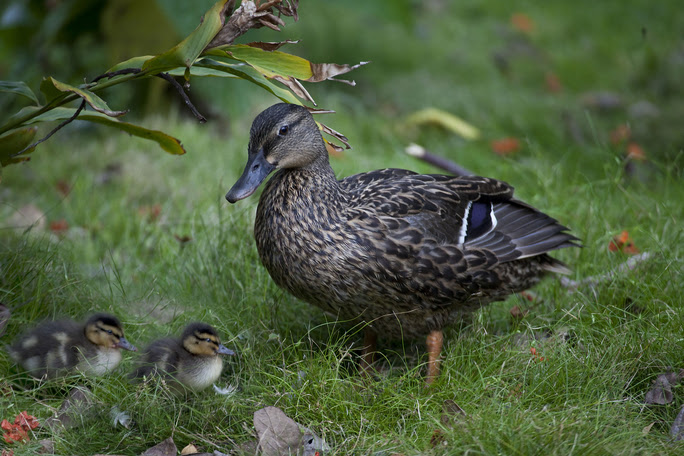
As we have covered in previous editions of Canines Assisting Conservation, the Hawaiian Islands’ paradise of biodiversity is under attack from multiple threats. The native waterfowl of the…
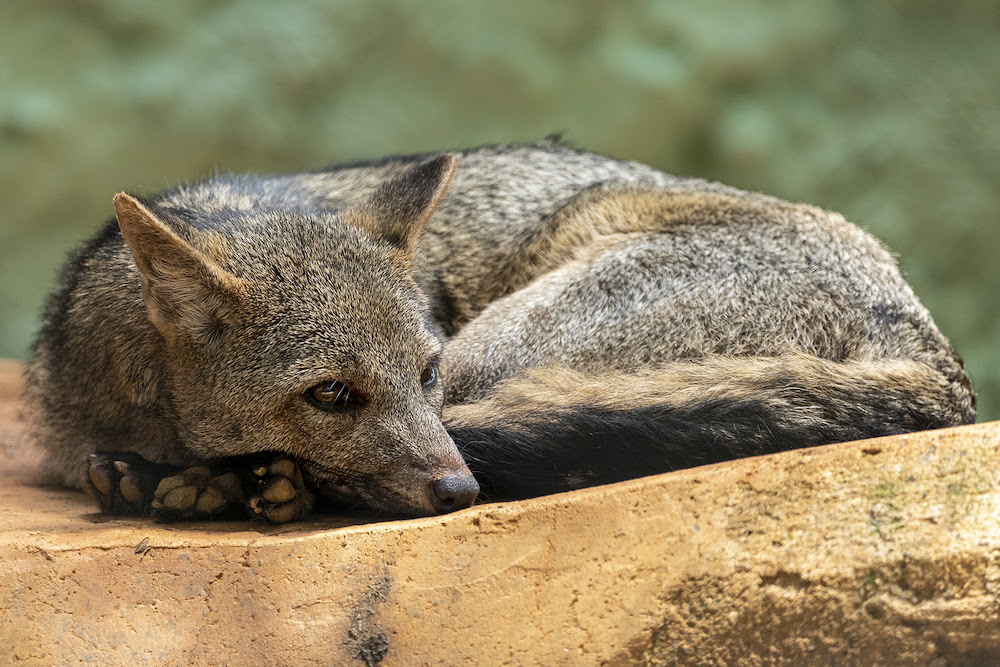
The Crab-Eating Fox, which is also known as the Savanna Fox or Crab-Eating Dog, can be found in Venezuela, Argentina, Bolivia, and Brazil.1&2 They are 24-28 inches long,…
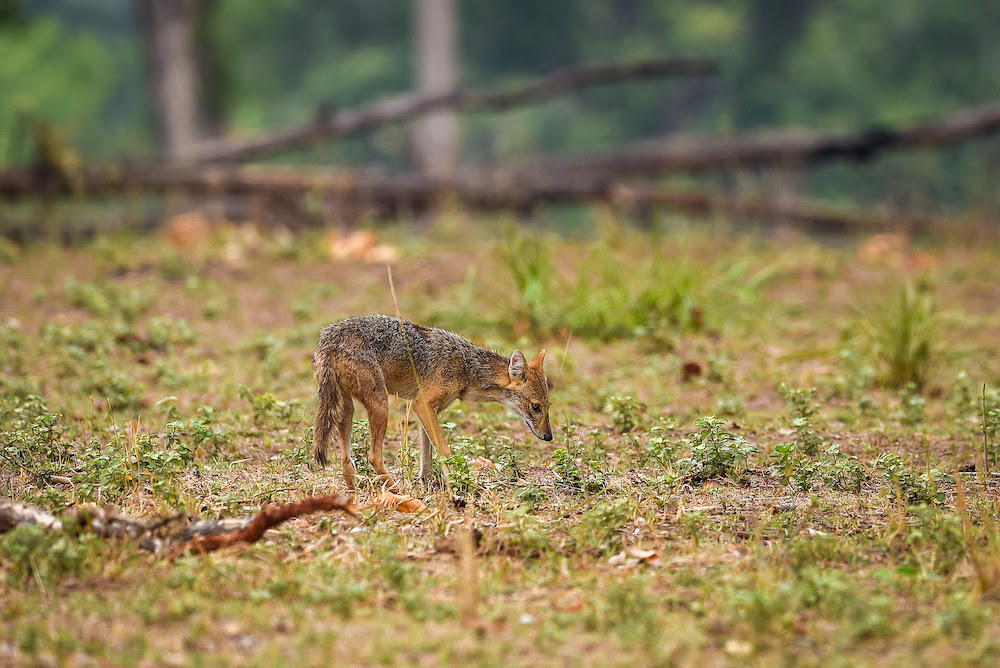
Jackals are members of the Canidae family. They prefer to live in open habitats, and they’ll hunt during the evening.1 There have been three jackal species formally recognized:…
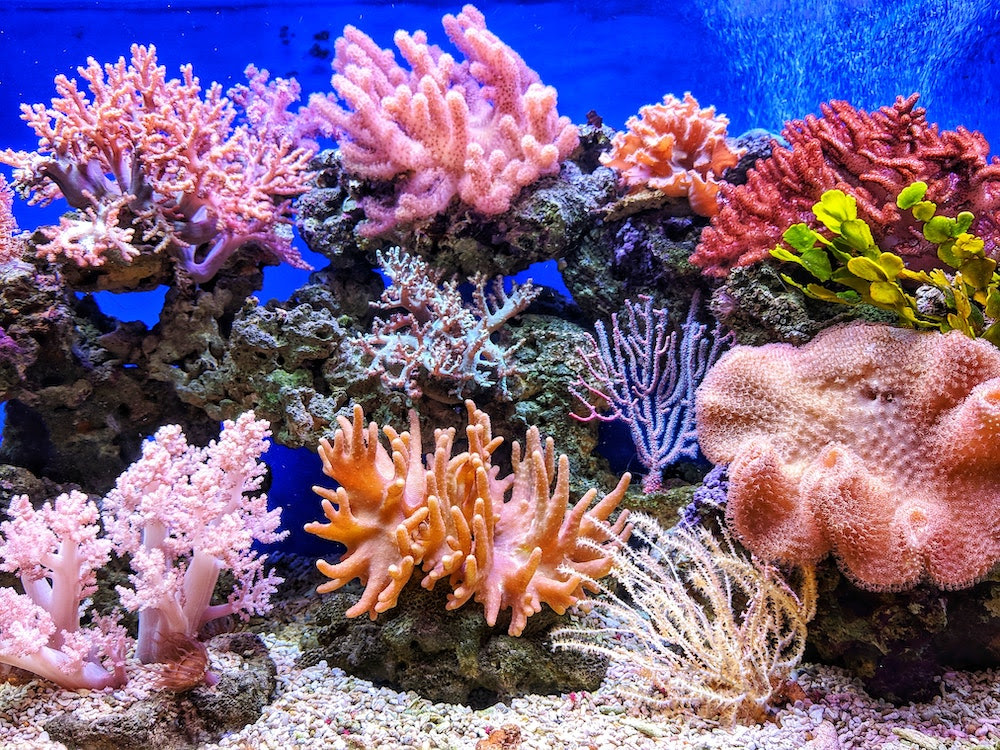
Coral reefs are a very important part of the ocean ecosystem. They are found in over 100 territories throughout the world and benefit both marine life and humans…
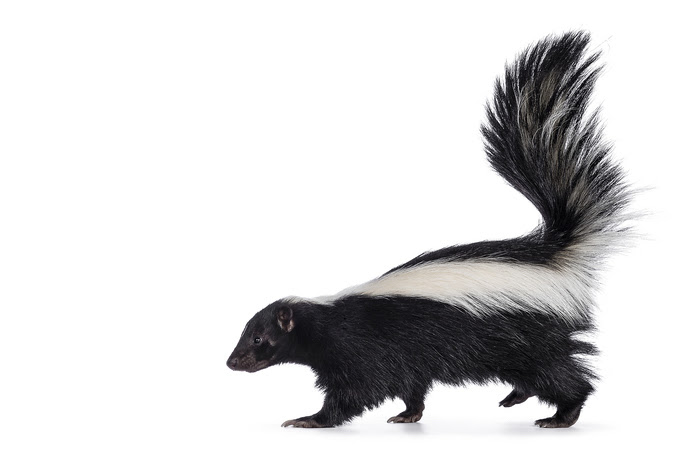
The striped skunk is built for a life foraging at the ground surface, with short, powerful legs and a stocky body. The head and body measure 13-18 inches,…
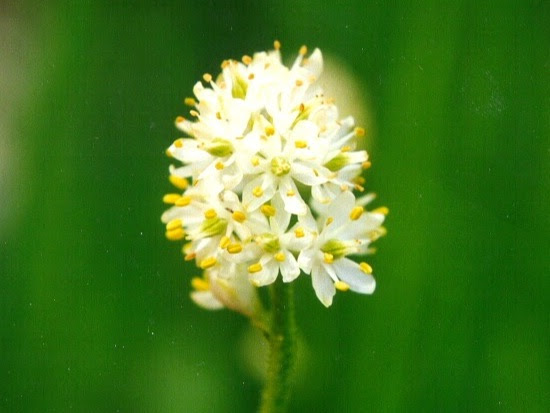
Researchers have found that a plant called Triantha occidentalis, which is a tiny white flower, is actually carnivorous.1 Originally appearing in scientific literature in 1879, it can be…
Preventing extinction is one of the main missions of conservation. If certain species end up going extinct, the consequences can be felt throughout the ecosystem. The current rate…
•Wolf Education & Research Center
Make a difference
Every gift protects wild carnivores.
94¢ of every dollar reaches the field — tracking collars, research grants, educator visits and the C3 journal. Your support keeps the work alive.