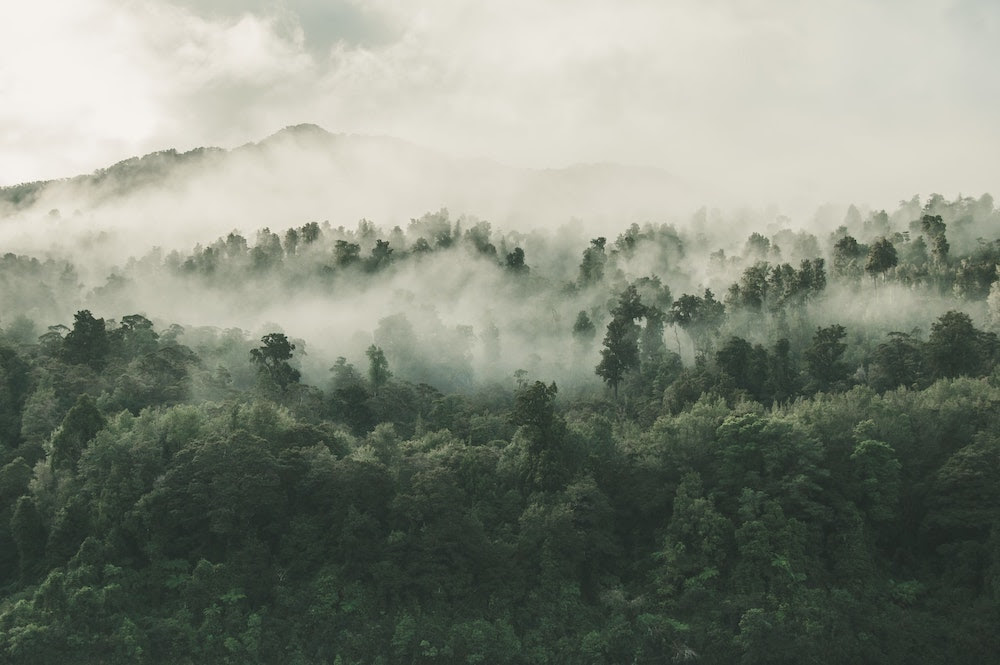
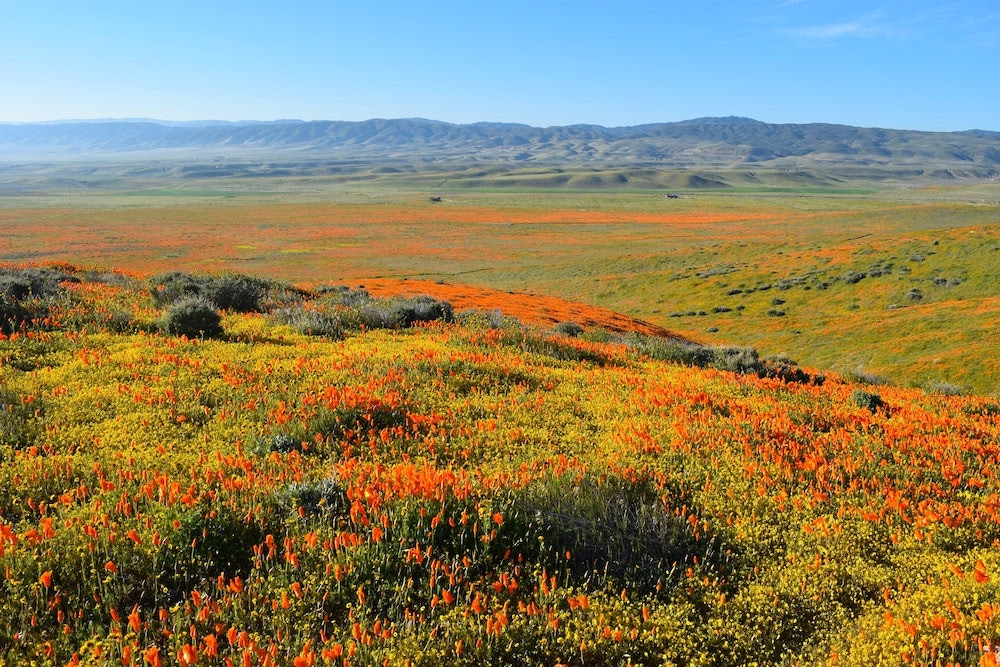
You’ve probably learned before that our rainforests need to be protected…but have you thought about why they’re so important? Rainforests only make up about 6% of the earth’s…
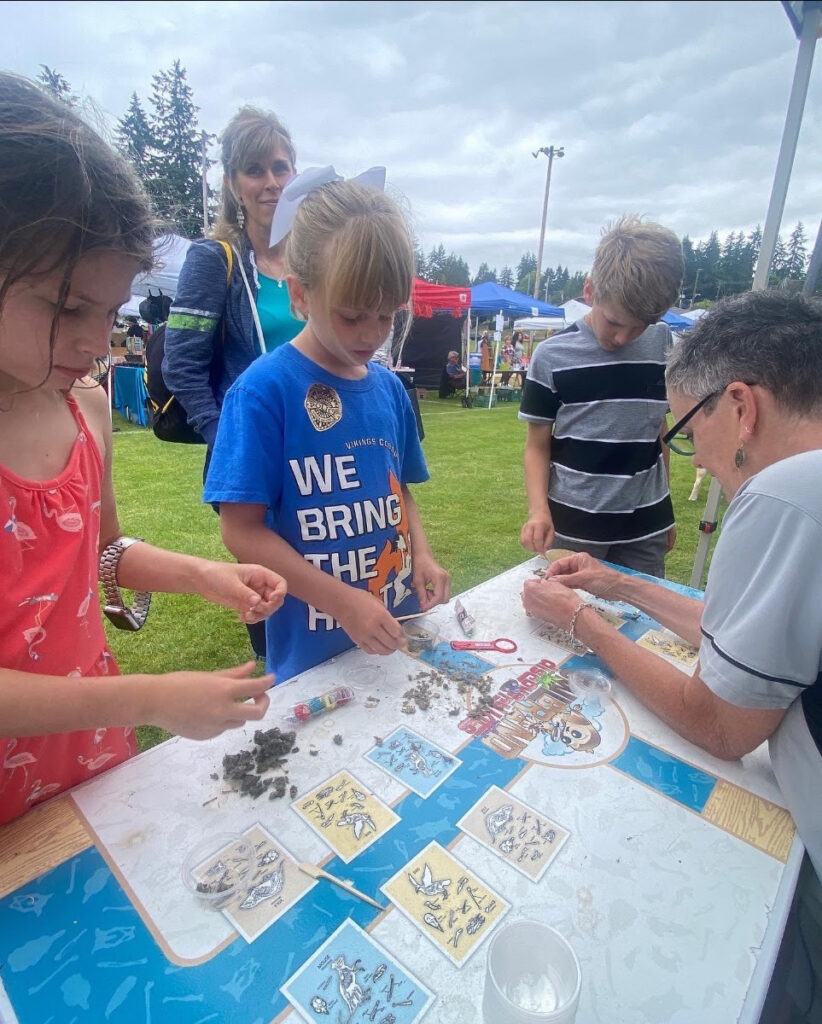
Check out our recent Passport to Wildlife event! FIRCREST, WASHINGTON — More than 500 children and parents visited the Passport to Wildlife (P2W) booth on Saturday, July 16,…
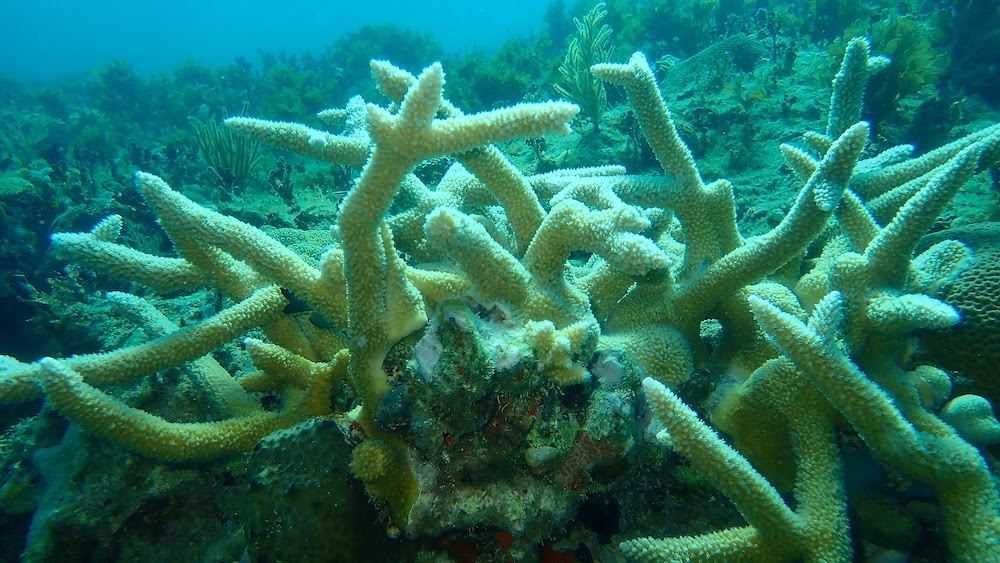
Coral reefs are extremely important to ocean ecosystems. Currently, there are many threats to coral reefs that can have consequences for the rest of the environment. One species…
Throughout the Canines Assisting Conservation series, we have discussed the benefits trained dogs bring to imperiled wildlife, noxious species eradication, habitat conservation, and even disease prevention. Protection of…
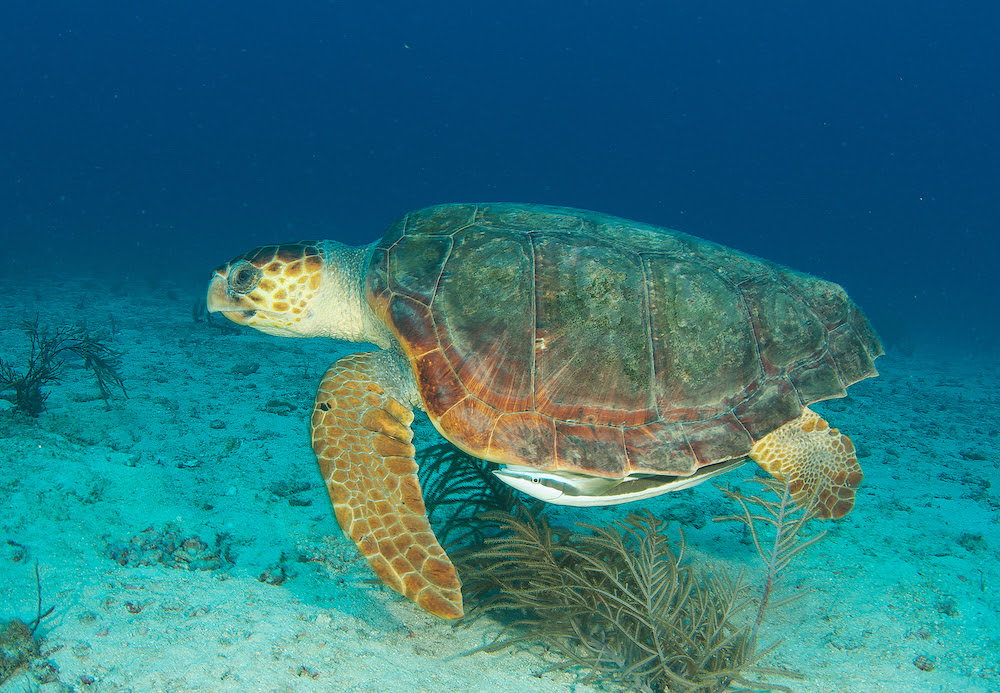
Loggerhead Turtles are found in the Atlantic Ocean, Pacific Ocean, Indian Ocean, and Mediterranean Sea. Within these waters, they’re found in the subtropical and temperate regions. These turtles…
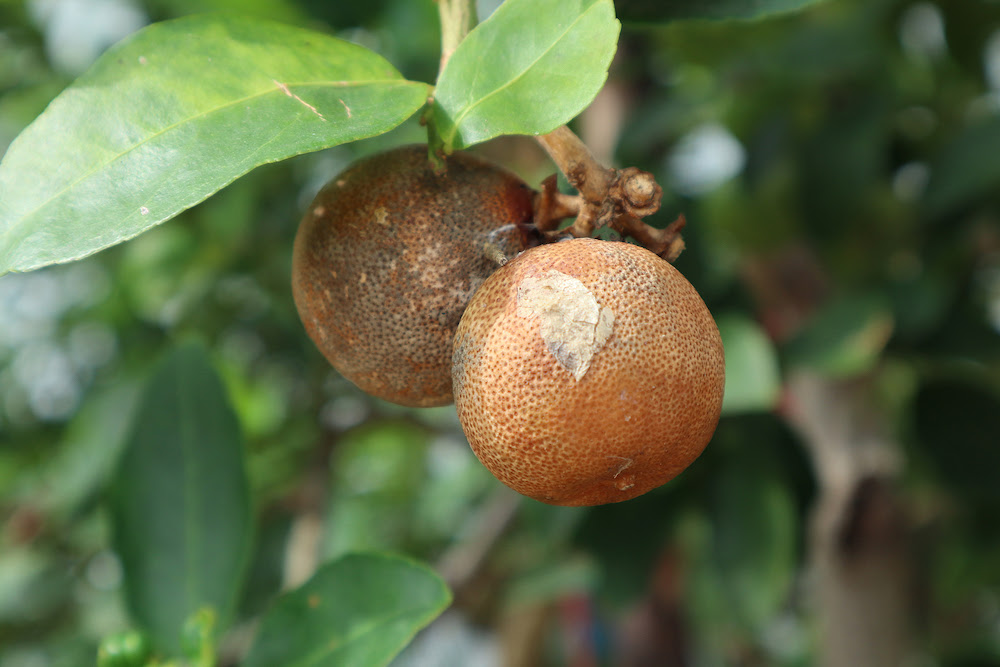
We’ve spoken before about how important bees are to the environment. They help pollinate a lot of our food, but many of them are currently suffering. One specific…
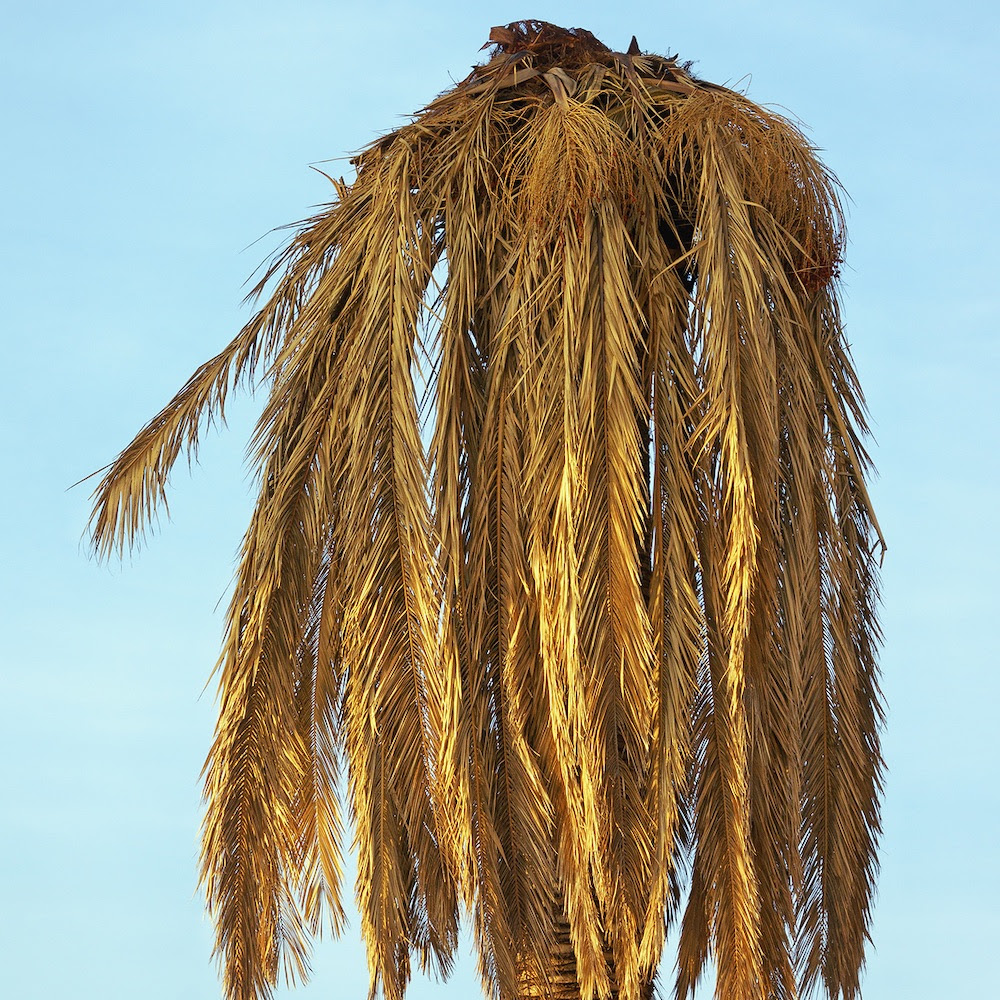
Whether it be the luscious scent of coconut oil or fronds gently swaying in the breeze, palm trees are an unmistakable symbol of summer life on the beach.…
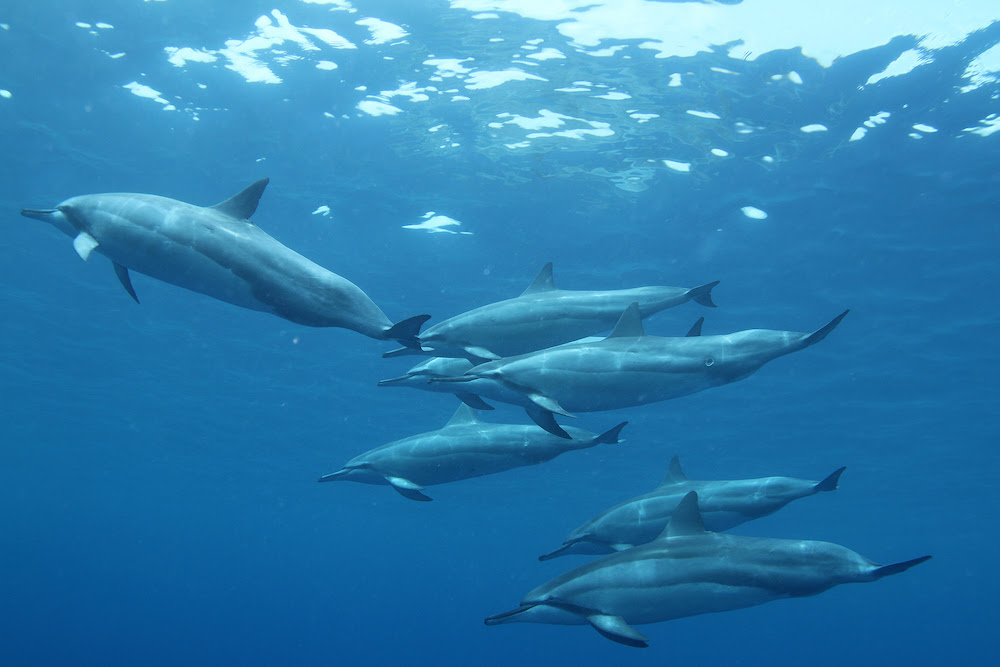
Spinner dolphins are found in tropical and temperate waters throughout the world. There are four subspecies of spinner dolphins. They are well known for their acrobatic ability –…
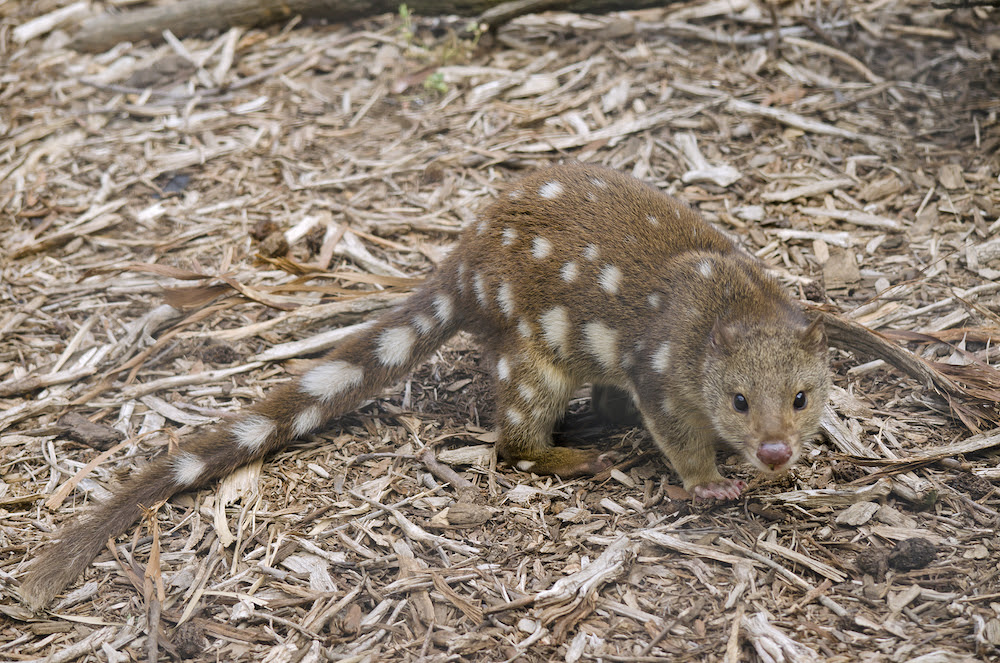
The next venture on our worldly tour of Canines Assisting Conservation takes us Down Under to examine the plight of the endangered northern quoll. First, for all the…
•Wolf Education & Research Center
Make a difference
Every gift protects wild carnivores.
94¢ of every dollar reaches the field — tracking collars, research grants, educator visits and the C3 journal. Your support keeps the work alive.