
Wolf Myths vs. Wolf Facts: 7 Claims You’ll Hear Everywhere (and What Science Actually Says)
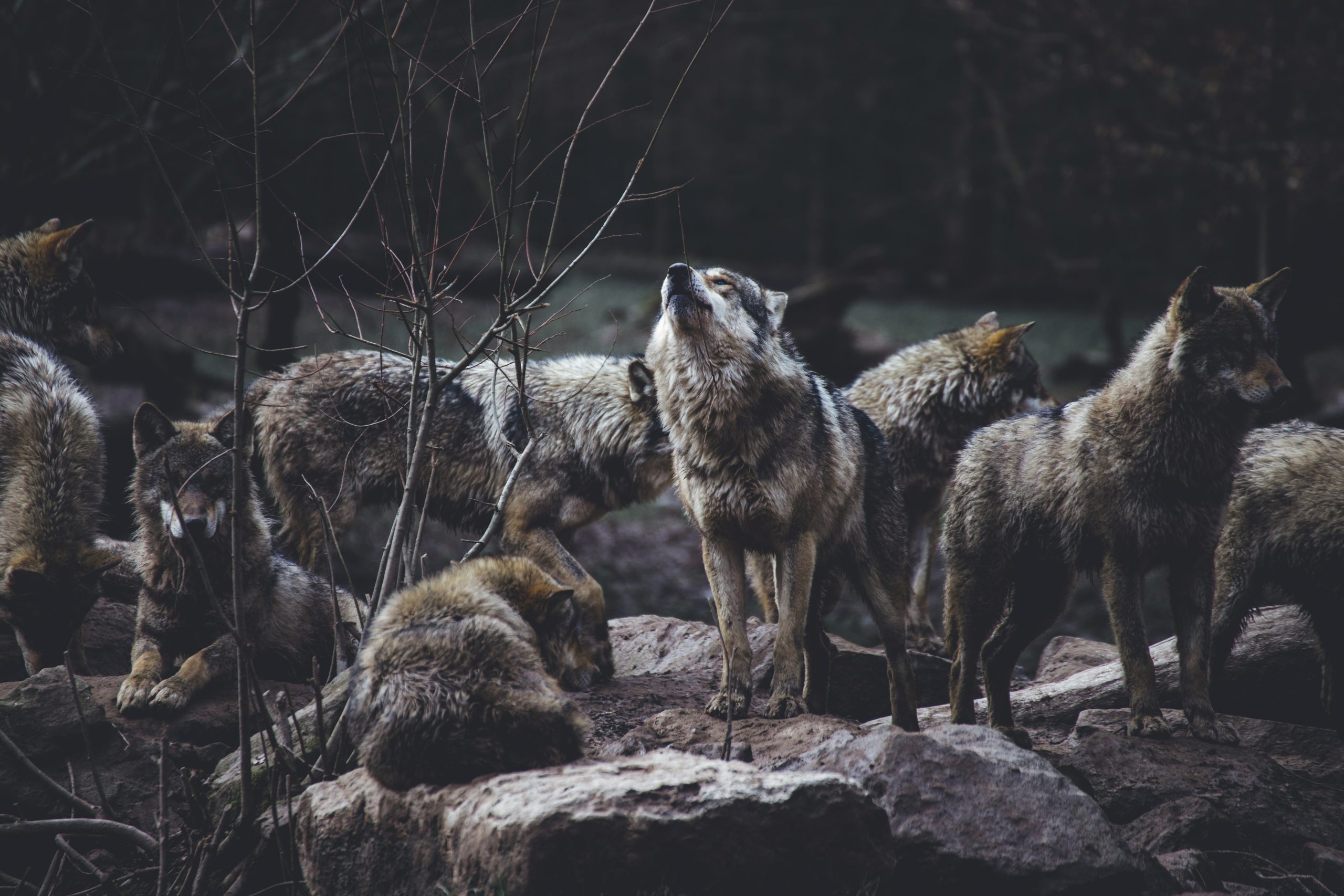
Photo by Thomas Bonometti on Unsplash
Wolves show up in stories on every continent where they live—and sometimes even where they don’t. They’re the villain in old folktales, the symbol on flags and sports jerseys, the “shadow in the trees” in scary movies. And because wolves are so myth-loaded, real wolves (the animals) often get buried under imaginary wolves (the symbols). The Wolf Center exists in that gap: helping people understand wolves as they truly are—wild canines doing an important job in the ecosystems they still call home.
Below are seven of the most common claims we hear—plus what’s actually true. (And yes, we’re writing this for readers inside and outside the United States, because wolves and wolf stories don’t stop at any border: gray wolves have a circumpolar range across North America, Europe, and Asia, thriving in everything from forests to tundra to deserts. )
Myth 1: “Wolves are dangerous to people.”
The fact: The risk to human safety from wolves is generally low, and wolves typically avoid people.
The nuance (because nuance matters): Low risk doesn’t mean “never.” Documented attacks exist worldwide, and a big share of severe incidents in the records are associated with specific contexts—like rabies, habituation, food conditioning, or unusual circumstances.
Why this myth sticks: Our brains are wired to remember scary stories more than quiet non-events. A single dramatic headline can outweigh thousands of ordinary, uneventful days where wolves keep their distance.
Takeaway line: Respect wolves. Don’t fear a fairytale version of them.
Myth 2: “Wolves kill everything and ruin ecosystems.”
The fact: Wolves are apex predators that can help balance ecosystems by shaping prey behavior and supporting natural processes—part of why carnivores matter in the first place.
In many places, the bigger story isn’t “wolves destroy nature,” but “ecosystems shift when large predators disappear”—and then shift again when they return.
Why this myth sticks: People often measure the “value” of wildlife by a single outcome (like fewer deer in a particular area) instead of the health of the whole living system.
Takeaway line: Healthy ecosystems aren’t built on one species doing “too well.” They’re built on relationships.
Myth 3: “Wolves are bloodthirsty killers—if they see livestock, they’ll take it.”
The fact: Livestock conflicts do happen—and they’re one of the most emotionally and economically charged parts of wolf coexistence. But across regions, research and field programs show that prevention tools (fencing, deterrents, husbandry changes, secure night enclosures, etc.) can reduce depredation.
Global perspective:
- In parts of the Alps and Slovenia, projects have used measures like high electric fencing and fladry (flagging lines) as practical prevention.
- In semi-arid India, pastoral communities have long used strategies such as night vigils, guard dogs, thorn corrals, and bringing stock back to villages at night.
Takeaway line: Conflict is real. So are solutions.
Myth 4: “Wolves kill for fun.”
The fact: Wolves are predators. Predation can look intense, especially to humans who rarely watch wildlife feed, hunt, and survive up close. But in ecological terms, wolves are doing what carnivores do: trying to meet energy needs, feed pups, and survive winter.
Why this myth sticks: When people see surplus killing (rare, but possible in certain conditions), it can feel like “cruelty.” In nature, it’s better understood as a mismatch between opportunity and risk—not a moral choice.
Takeaway line: Wolves aren’t villains. They’re animals shaped by hunger, weather, and opportunity.
Myth 5: “Wolves are just big, wild dogs.”
The fact: Wolves and domestic dogs share ancestry, but wolves are not “dogs that went feral.” Wolves have different social and survival pressures, and they’re adapted to live and hunt in the wild.
Why this myth matters: When we treat wolves like stray dogs, we make unsafe choices—feeding them, approaching them, letting pets roam, ignoring food attractants. Those behaviors can increase the chance of conflict.
Takeaway line: The quickest way to create a “problem wolf” is to teach a wolf that people = food.
Myth 6: “Every wolf pack is ruled by a violent ‘alpha.’”
The fact: In the wild, most wolf packs function as family units—often a breeding pair and their offspring—more like parents and kids than a constant cage match for dominance. (Yes, wolves do have social hierarchies. But “alpha” is often used in pop culture as a shortcut that misrepresents wolf family life.)
Why this myth sticks: Because it flatters human drama. We love stories about power and rivalry. Wolves are more often about cooperation, communication, and raising pups.
Takeaway line: Wolf packs are built on family and teamwork more than soap-opera dominance.
Myth 7: “Wolf issues are a U.S.-only debate.”
The fact: Wolves are part of a global story. Europe has seen wolf returns and intense coexistence debates; South Asia has long lived with wolves in human-dominated landscapes; and conservation outcomes can swing with politics, policy, and public tolerance.
Takeaway line: Wherever wolves live, coexistence is a human choice as much as a wildlife reality.
What to say when someone repeats a myth
If you want a simple script that works in almost any country:
- “Wolves are wild animals—respect is the right emotion, not panic.”
- “Conflict happens, but prevention tools exist and they work.”
- “If we want healthy ecosystems, we need to understand apex predators—not mythologize them.”
One-minute actions that actually help
- Share one fact instead of one fear-story.
- Support coexistence programs (they’re the unglamorous work that keeps wolves and people safer).
Keep wildlife wild: don’t feed, don’t approach, secure attractants—wherever you live.
Filed under
Stay in the pack