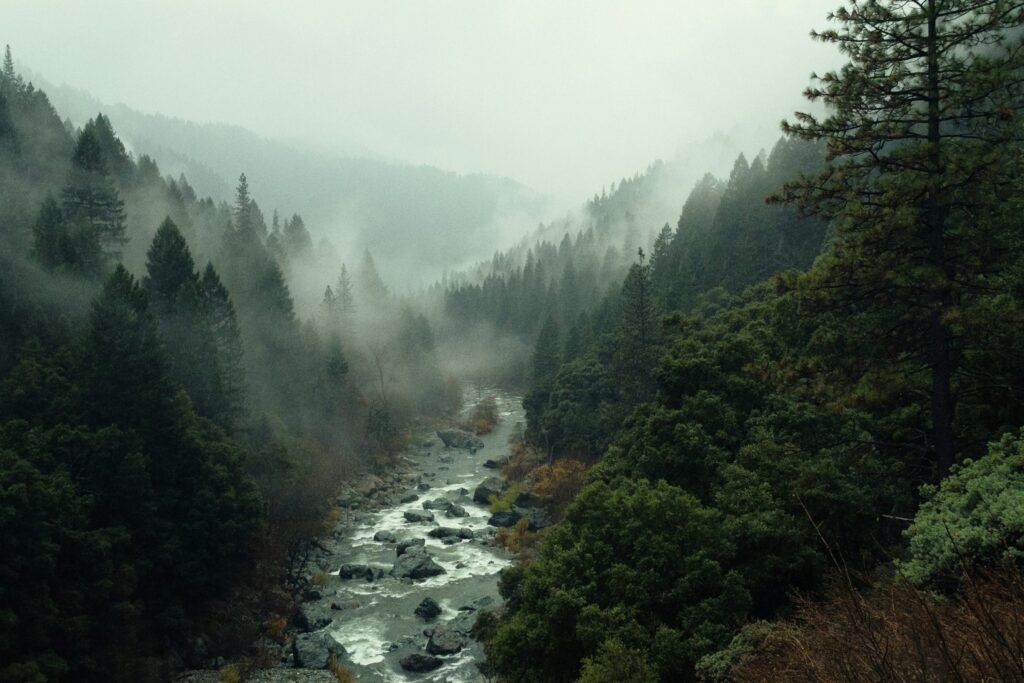
Water doesn’t just keep wolves alive, it quietly maps their movements. From snow consumption in winter to shared summer water corridors with prey, livestock, and people, hydration is…
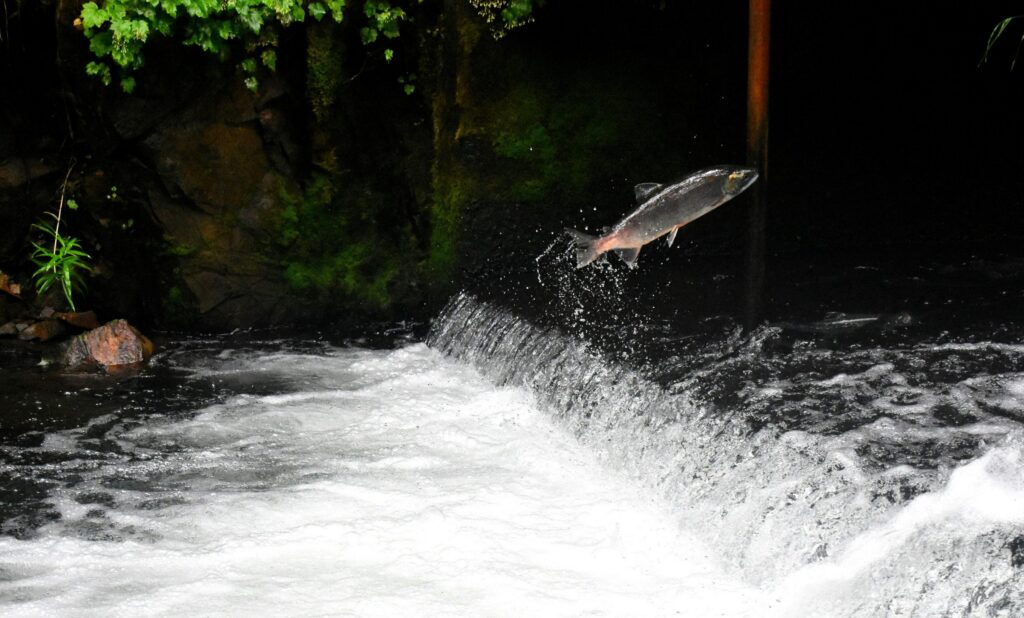
Wolves don’t eat the same thing everywhere, all the time. In some Pacific coastal regions, salmon runs become a seasonal “bonus resource,” reshaping movement patterns and energy strategies…
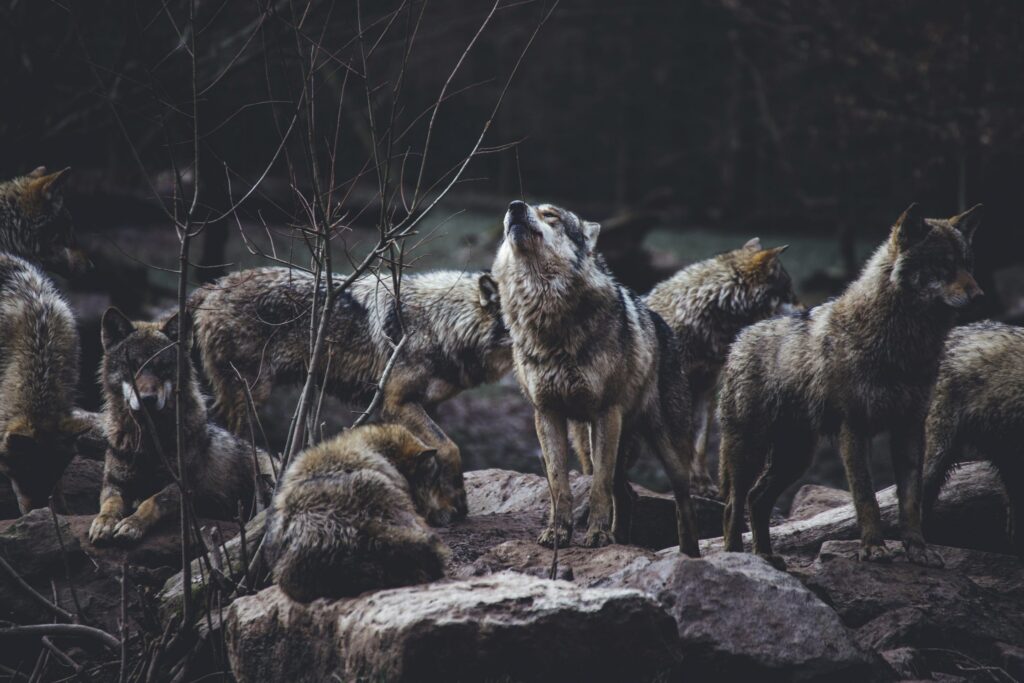
A wolf’s howl feels ancient and dramatic—but it’s rarely a sign of aggression. More often, it’s information: a way to coordinate family, signal territory, and avoid conflict across…
A practical, global guide to understanding how wolves perceive dogs and how different contexts—hiking with pets, using livestock guardian dogs, or working with hunting packs—change the risk equation.…
Finland shows how coexistence with wolves can be built through education, data, and local cooperation. From teaching kids to read tracks to using volunteer networks that turn sightings…
Modern media often turns wolves into characters rather than animals—either monsters to fear or symbols to idealize. Both narratives erase real behavior, real landscapes, and real coexistence tools,…
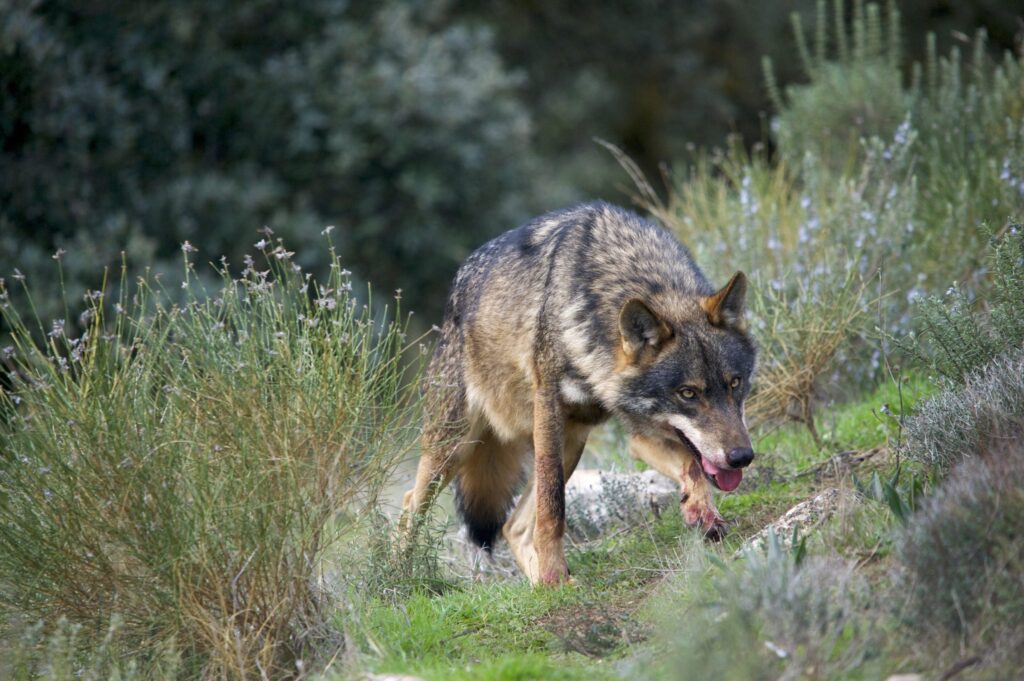
Wolves in Iberia don’t live in distant wilderness. They move through mountains, farms, and village edges, navigating landscapes shaped by people. Their story shows that coexistence is not…
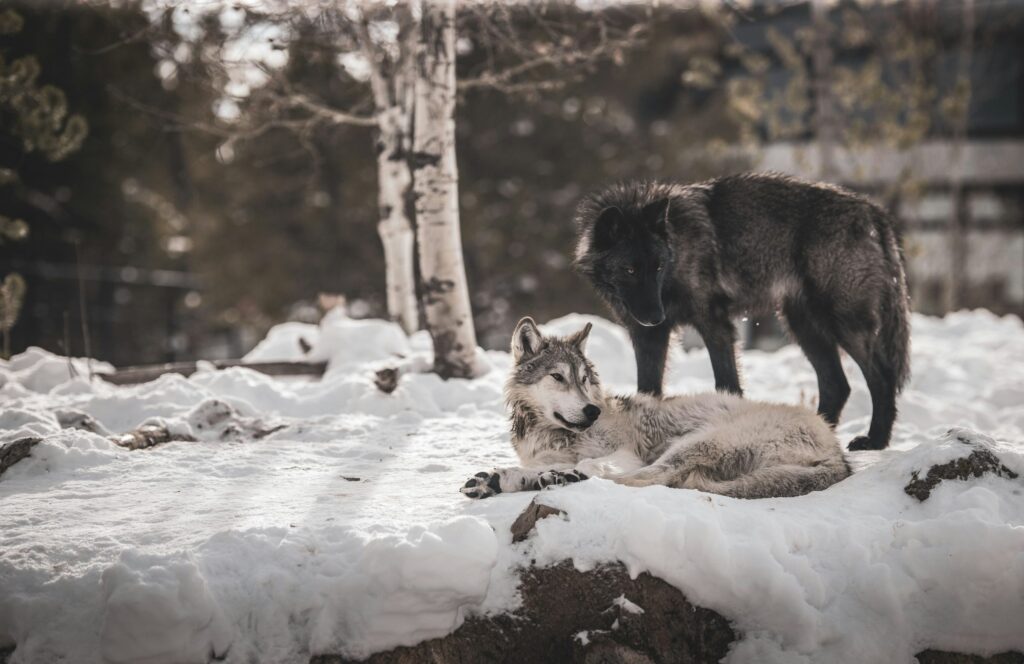
Photo by Brianna R. on Unsplash Let’s start with the honest part: coexisting with wolves is not the same as “loving wolves.” Coexistence is practical. It’s about reducing…
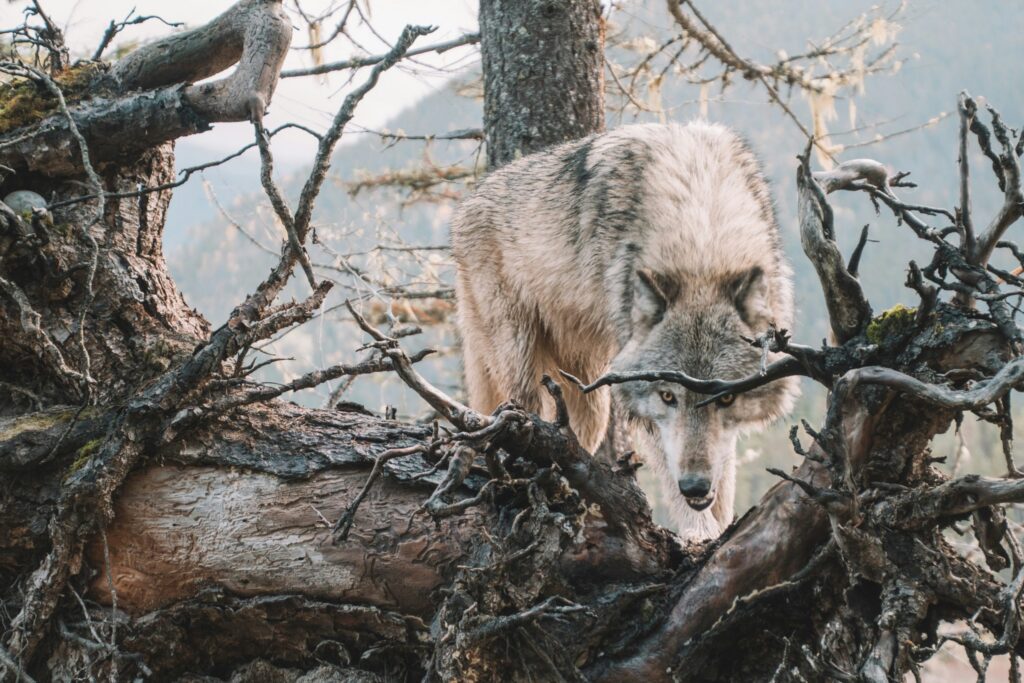
Photo by Thomas Bonometti on Unsplash Wolves show up in stories on every continent where they live—and sometimes even where they don’t. They’re the villain in old folktales,…
•Chris Anderson
Make a difference
Every gift protects wild carnivores.
94¢ of every dollar reaches the field — tracking collars, research grants, educator visits and the C3 journal. Your support keeps the work alive.