Wolves and Dogs: The Overlooked Interface
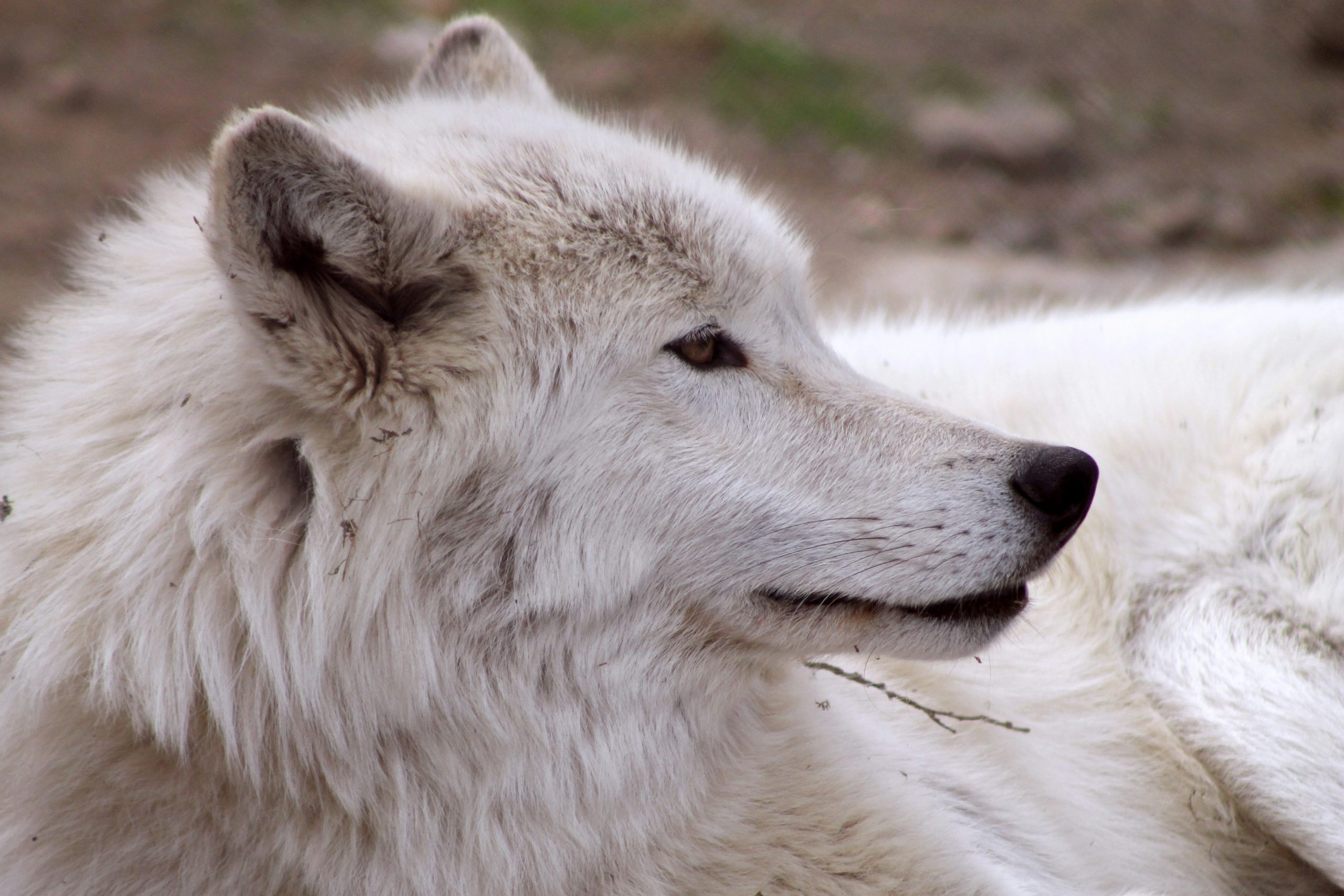
Photo by joel lethbridge on Unsplash
Pets, working dogs, and wild wolves — a practical global guide that reduces risk without feeding fear
If there’s one relationship that consistently complicates wolf coexistence, it isn’t wolves and people.
It’s wolves and dogs.
Dogs are everywhere humans go: on trails, on farms, in villages, on hunting grounds, and in backyards at the edge of habitat. To wolves, dogs can register as many things at once—a competitor, an intruder, prey-sized canid, or a noisy unknown. And to dogs, wolves can trigger curiosity, chase, or defensive barking that escalates a situation fast.
This isn’t about panic. It’s about clarity: most wolves avoid people, but dogs change the equation because dogs don’t always avoid wolves—and because wolves can interpret dogs through the lens of territory and social rules.
This guide breaks the interface into three real-world contexts:
- visitors and pet dogs
- livestock guardian dogs (LGDs) and ranching systems
- hunting dogs and working packs in the field
And throughout, we keep a global lens—because what works depends on landscape, policy, and practice.
The foundation: what wolves “think” when they see a dog
Wolves don’t classify dogs as “pets.” They classify them as canids. That means a dog may be interpreted as:
- a territorial intruder (especially near rendezvous sites or denning areas)
- a competitor (food, space, or scent-marking conflict)
- a target of opportunity (rare, but possible—especially for small dogs or vulnerable situations)
- a signal of human proximity (which can reduce risk, but doesn’t always override territorial instincts)
Season matters too. During denning and pup-rearing, wolves can be more defensive of core areas. In dispersal seasons, wolves may be moving in unfamiliar ways, and encounters can happen closer to edges or corridors.
The goal isn’t to “outsmart wolves.” The goal is to avoid creating a situation that forces a wolf to choose defense.
Context 1: Hiking with dogs in wolf country
Keep wolves wild. Keep dogs close.
Most negative encounters with wolves and pet dogs follow a similar pattern: a dog runs ahead, disappears briefly, and returns with something following—or the dog approaches a wolf before a human even notices.
Here’s what reduces risk in the real world.
Start with: “close control” dog behavior
✅ Leash where required—and leash even where not required in wolf country if visibility is poor or wildlife activity is high.
✅ Use a shorter leash (not a long retractable line) in brushy areas.
✅ Train a strong “leave it” and recall and treat them like safety tools, not tricks.
Add if needed: trail strategy
✅ Avoid dawn/dusk in known wolf corridors if you’re in a high-density area.
✅ Stay on open trails with better sightlines.
✅ Don’t let dogs investigate carcasses, gut piles, or scavenging areas.
Why: dogs escalate the speed of encounters
Wolves generally avoid people. Dogs don’t always avoid wolves. When a dog approaches, chases, or barks, it can turn a “passing-by” situation into a territorial or defensive moment.
If you see a wolf (or think you do)
- Call your dog close immediately (leash if possible).
- Create distance. Don’t follow for photos.
- Make yourself visible and confident: stand tall, speak loudly, back away slowly.
- If the wolf is lingering, leave the area and report unusual behavior to local authorities/park staff.
Important nuance
Most hikers will never have a wolf encounter. The reason for these practices is not fear—it’s prevention. Prevention protects wolves too by reducing habituation and conflict narratives.
Context 2: Livestock guardian dogs
A tool that works—when it’s treated like a system, not a symbol
LGDs are one of the oldest coexistence tools humans have. They can be extremely effective—especially when paired with good husbandry. But their success depends heavily on training, stocking density, landscape, and how they’re integrated into the operation.
Europe vs North America: why the “same tool” looks different
In parts of Europe, coexistence programs often involve:
- higher human density and mixed land use
- frequent recreationists moving through grazing areas
- long traditions of shepherding in some regions, with dogs integrated into routine herding
This means LGDs aren’t only defending against predators—they’re also managing constant human presence, which creates its own friction (visitor safety, dog interactions, public perception).
In much of North America, operations may involve:
- larger grazing allotments and open-range systems
- fewer people but larger spatial scale
- a stronger need for layered tools because dogs alone can’t cover huge areas consistently
In both places, the principle is the same: dogs increase friction. They make predation “not easy.” But they aren’t magic.
Start with: core LGD best practice
✅ Use enough dogs for the stocking density and landscape (one dog for a huge, dispersed herd is not a real deterrent).
✅ Select dogs bred and trained for guarding, not herding.
✅ Integrate pups carefully so bonding happens with livestock, not people.
✅ Maintain routine: dogs do best with stable patterns.
Add if needed: layered coexistence tools
✅ Night containment during vulnerable seasons (lambing/calving).
✅ Electric fencing in hotspots.
✅ Human presence / shepherding routines where feasible.
✅ Deterrents (temporary fladry) for short windows.
Why: wolves learn patterns
If livestock protection is inconsistent, wolves learn the weak points. If protection is consistent, wolves learn it’s not worth it.
The public interface problem
LGDs can be protective and may challenge unfamiliar humans or dogs. This isn’t a reason to abandon them—it’s a reason to manage the interface:
- clear signage on trails crossing grazing lands
- guidance for recreationists (keep distance; leash pet dogs)
- consistent human oversight so LGDs don’t become unpredictable
Coexistence works better when the public understands that guardian dogs are working animals, not park mascots.
Context 3: Hunting dogs and working dogs
High risk, high emotion—needs the most discipline
Hunting dogs operate in exactly the conditions that can create conflict:
- remote habitat
- high prey movement
- scent trails and chase behavior
- limited visibility
- distance between dog and handler
Even in regions where wolves are cautious, the overlap is real—especially where wolves and dogs chase the same prey or operate in the same valleys and ridgelines.
Start with: control and proximity
✅ Keep hunting dogs within reliable recall distance—if recall is inconsistent, it’s a safety gap.
✅ Avoid releasing dogs near fresh wolf sign in high-density areas.
✅ Limit long pursuits that take dogs far beyond handler control.
Add if needed: operational changes
✅ Hunt in daylight hours rather than dusk/dawn in wolf-heavy zones.
✅ Use bells/locators so dogs are trackable and findable fast.
✅ Adjust routes away from known rendezvous areas in pup season.
Why: wolves may treat dogs as competitors
Even if wolves avoid people, they can respond differently to an unaccompanied dog moving through their territory—especially when pups are present.
What NOT to do
(Because it trains the wrong patterns)
❌ Don’t feed wildlife or leave attractants accessible (including food waste at campsites).
❌ Don’t let dogs roam freely at night in edge habitat.
❌ Don’t approach wolves for photos or “proof.”
❌ Don’t interpret every sighting as aggression—panic narratives spread fast and rarely help.
Fear-stories create bad policy. Prevention creates better outcomes.
A practical “choose your context” summary
If you’re a visitor with a pet dog
Start with: leash/close control + avoid surprise encounters
Add if needed: avoid dawn/dusk, avoid carcasses/gut piles, choose open trails
Why: dogs can escalate encounters faster than humans can respond
If you’re a livestock producer using LGDs
Start with: enough dogs + training + stable routines
Add if needed: night containment, fencing hotspots, human presence, deterrents
Why: consistent protection teaches wolves that livestock isn’t an easy pattern
If you use hunting dogs
Start with: reliable recall + trackability + avoid high-risk seasons/places
Add if needed: daylight hunting, bells/locators, route planning
Why: distance + pursuit + low visibility increases risk
One-minute actions
✅ If you hike with a dog in wolf country, treat the leash like a coexistence tool—not a restriction.
✅ If your region uses guardian dogs, share clear guidance so visitors understand the rules.
✅ If you see wolf content online that blames wolves for dog incidents without context, ask: What were the conditions? Off-leash? Near pups? Carcass nearby? ✅ Support education and prevention—because it protects wildlife and working communities.
Filed under
Stay in the pack