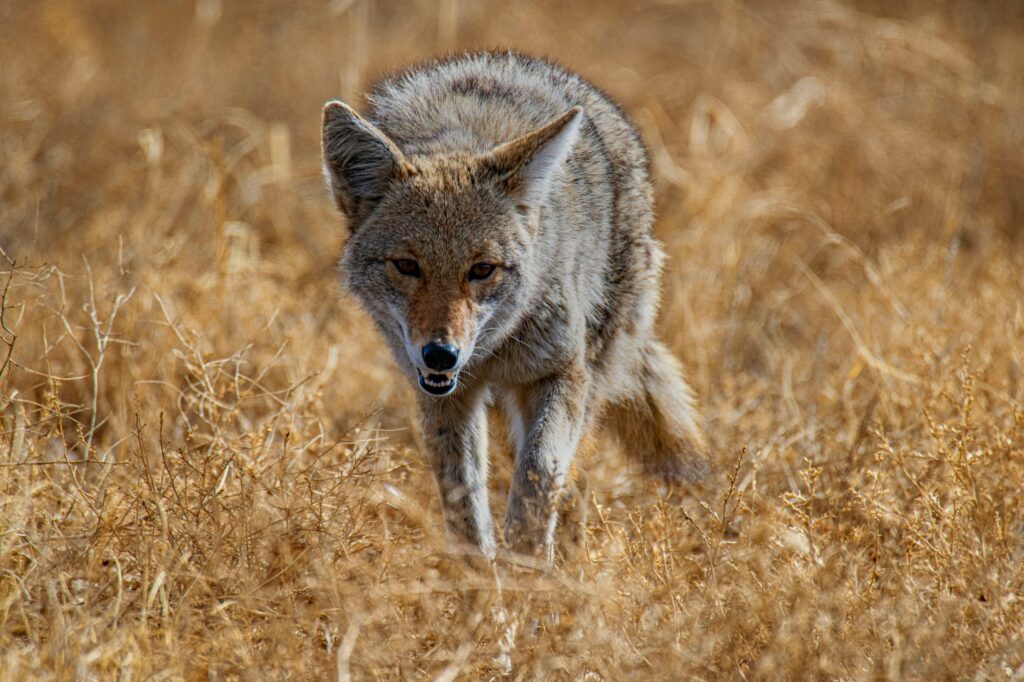
A practical field guide to telling wolves, coyotes, and dogs apart in real-world conditions. Learn how to read silhouette, tail, gait, and behavior to make confident identifications, even…
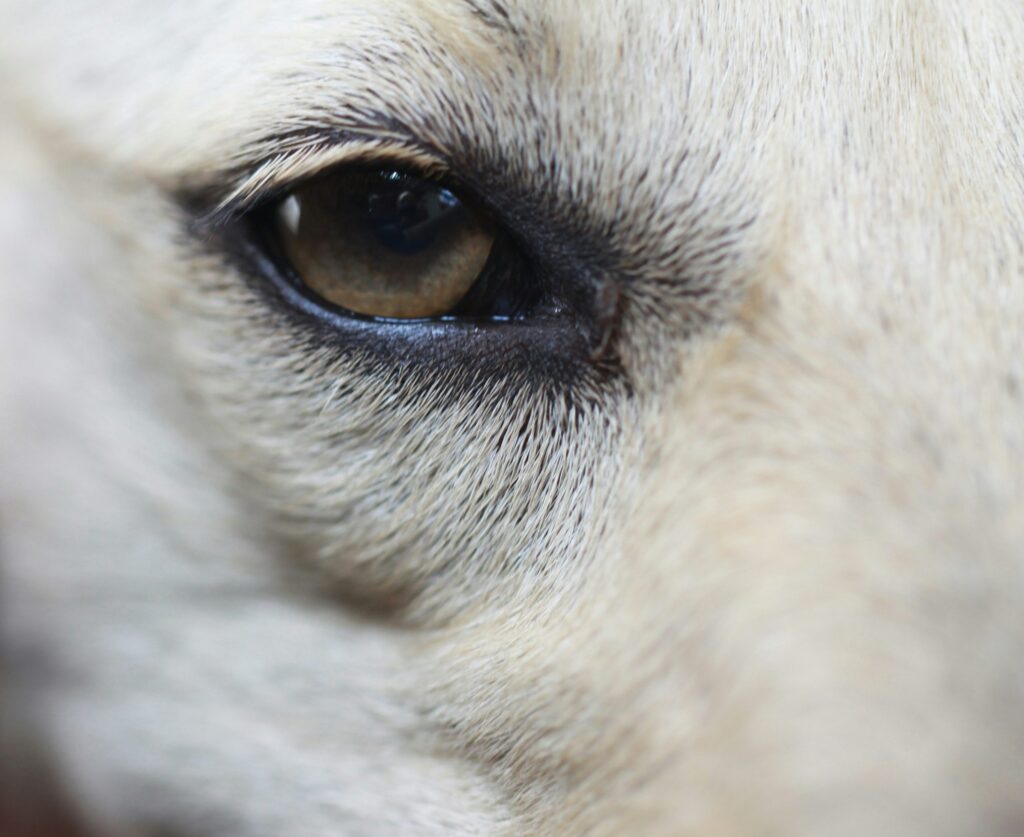
Dogs and wolves both form strong social bonds, but only dogs evolved to treat humans as family. This post explores the genetic and evolutionary reasons behind that difference,…
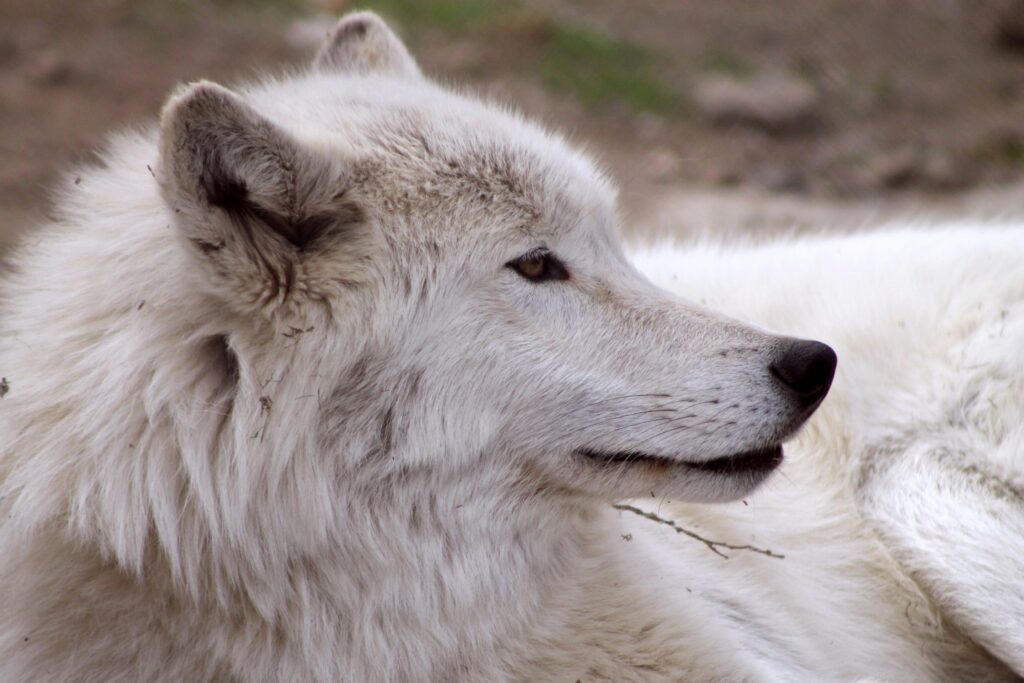
For decades, the idea of the “alpha wolf” has shaped business books, leadership advice, and even dog training methods. But this image doesn’t come from observing wolves in…
A practical, global guide to understanding how wolves perceive dogs and how different contexts—hiking with pets, using livestock guardian dogs, or working with hunting packs—change the risk equation.…
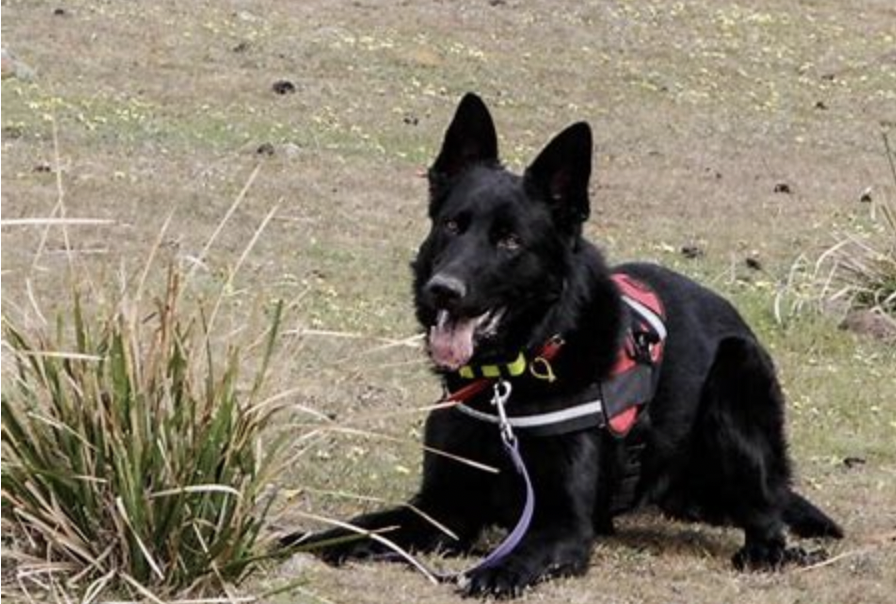
Dogs can play an amazing role in conservation efforts. Using their scent abilities, they can help locate invasive species and detect diseases in certain plants. Their abilities help…
How do dogs assist with habitat conservation and restoration? The largest threat to wildlife habitats worldwide is the fragmentation of vast landscapes caused by human expansion. As these…
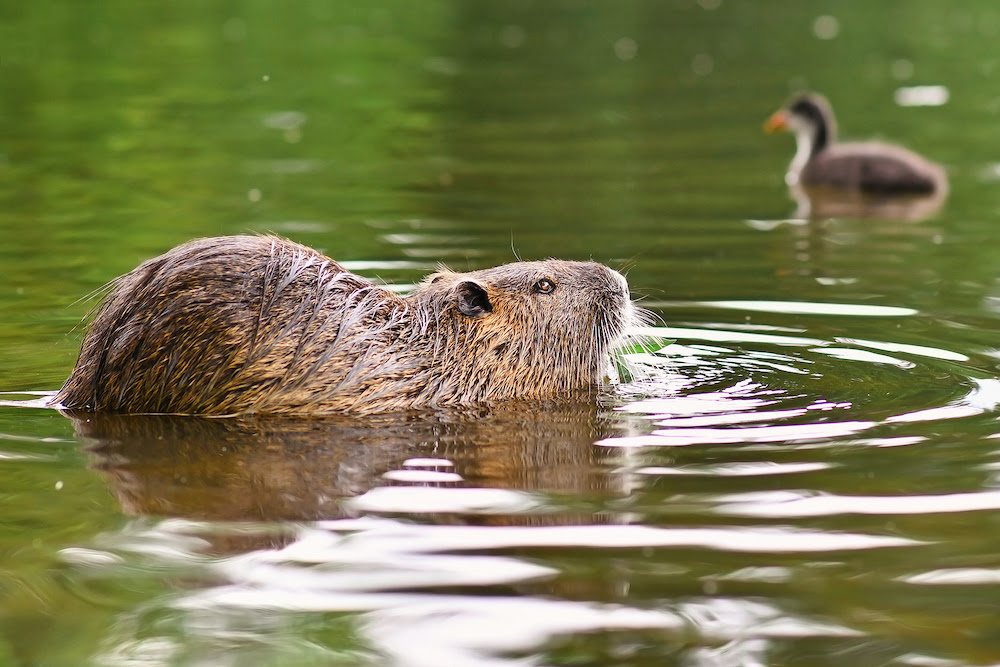
Both freshwater and saltwater marshes have long been known for their ecological importance and their frailty. According to the US Fish and Wildlife Service, marshes only cover about…
Are you familiar with the dog days of summer? It’s ironic that an organization dedicated to canines and wolves would be experiencing them but we are! And we…
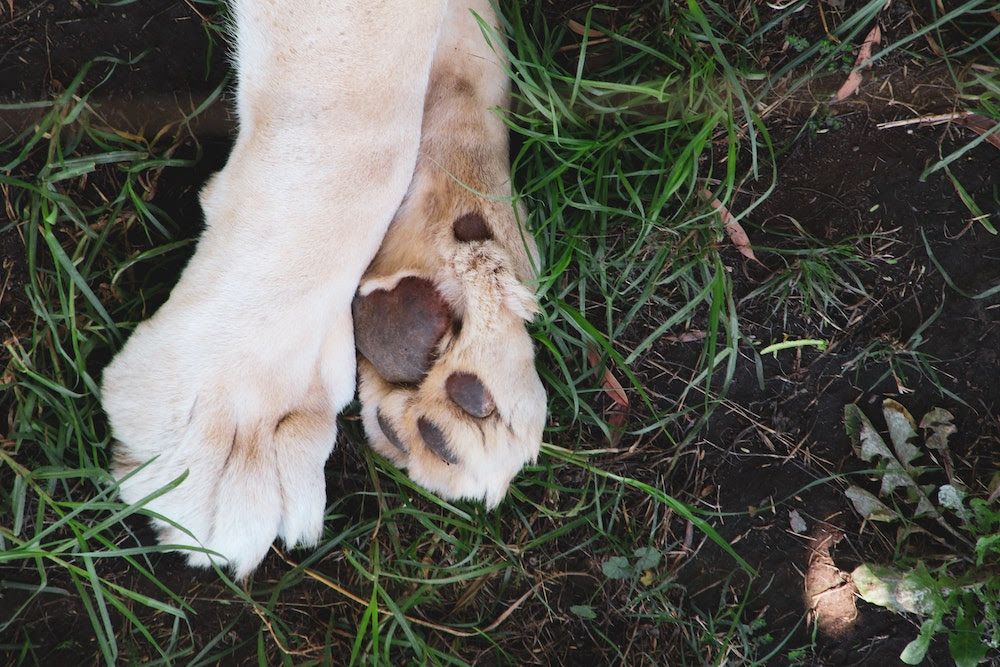
A dog or cat’s paws are very important. Not just for running around and playing, but they help them protect themselves from the surfaces they’re on, balance, and…
•Chris Anderson
Make a difference
Every gift protects wild carnivores.
94¢ of every dollar reaches the field — tracking collars, research grants, educator visits and the C3 journal. Your support keeps the work alive.