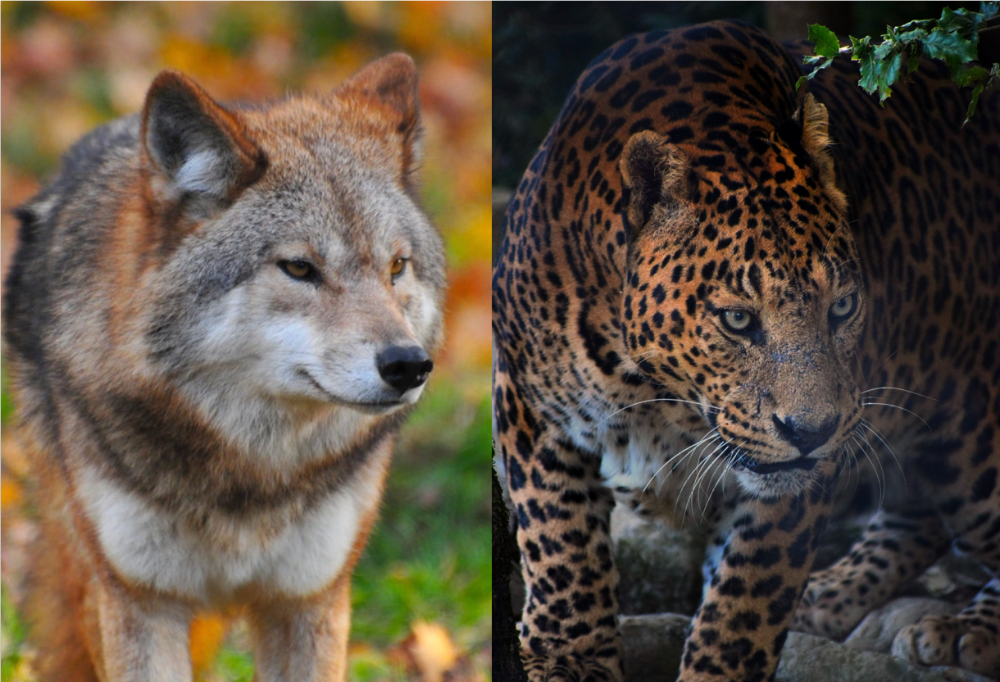
Are you a dog person or a cat person? Many people land on a definitive side, preferring one over the other. Dogs and cats are very different animals…
Throughout the Canines Assisting Conservation series, we have discussed the benefits trained dogs bring to imperiled wildlife, noxious species eradication, habitat conservation, and even disease prevention. Protection of…
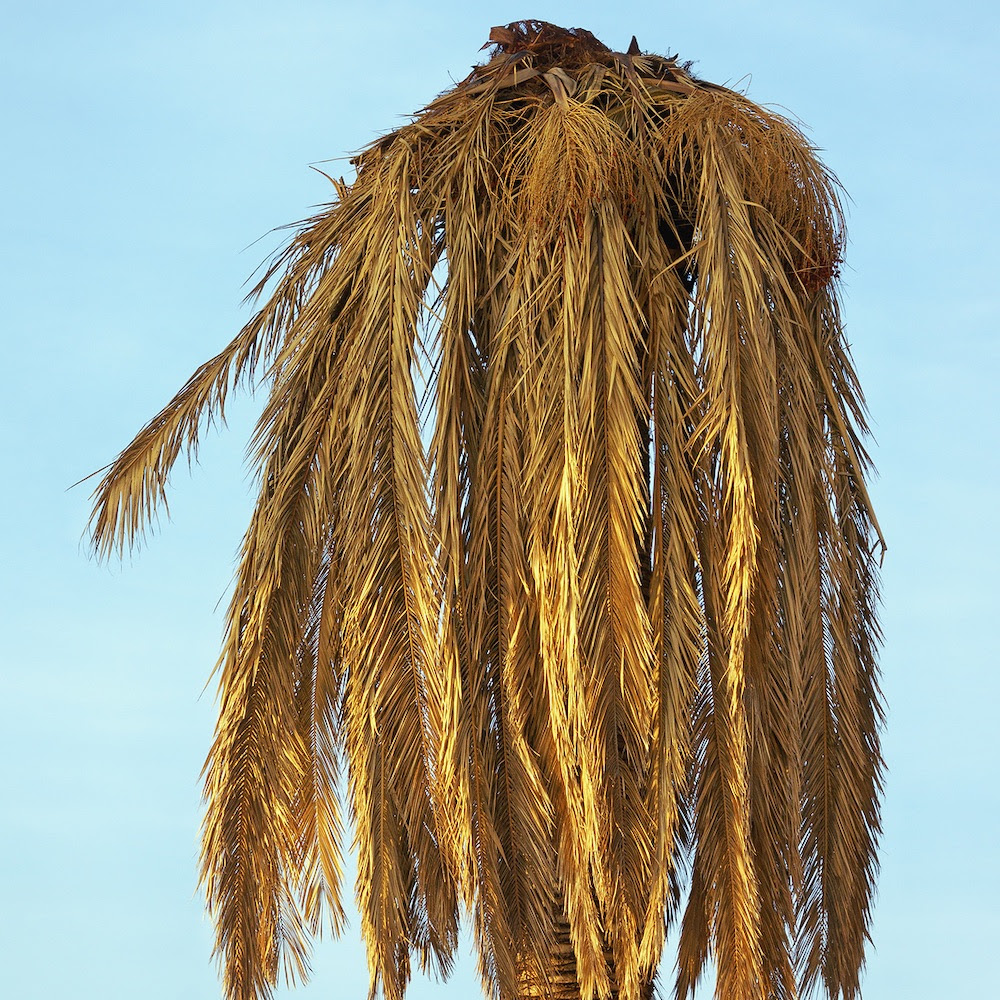
Whether it be the luscious scent of coconut oil or fronds gently swaying in the breeze, palm trees are an unmistakable symbol of summer life on the beach.…
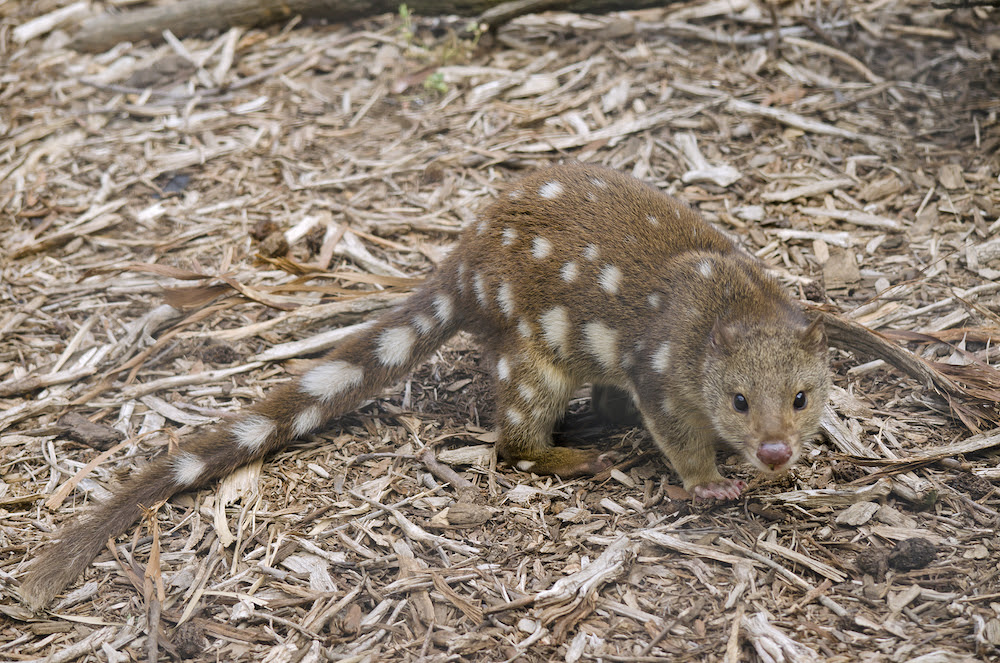
The next venture on our worldly tour of Canines Assisting Conservation takes us Down Under to examine the plight of the endangered northern quoll. First, for all the…
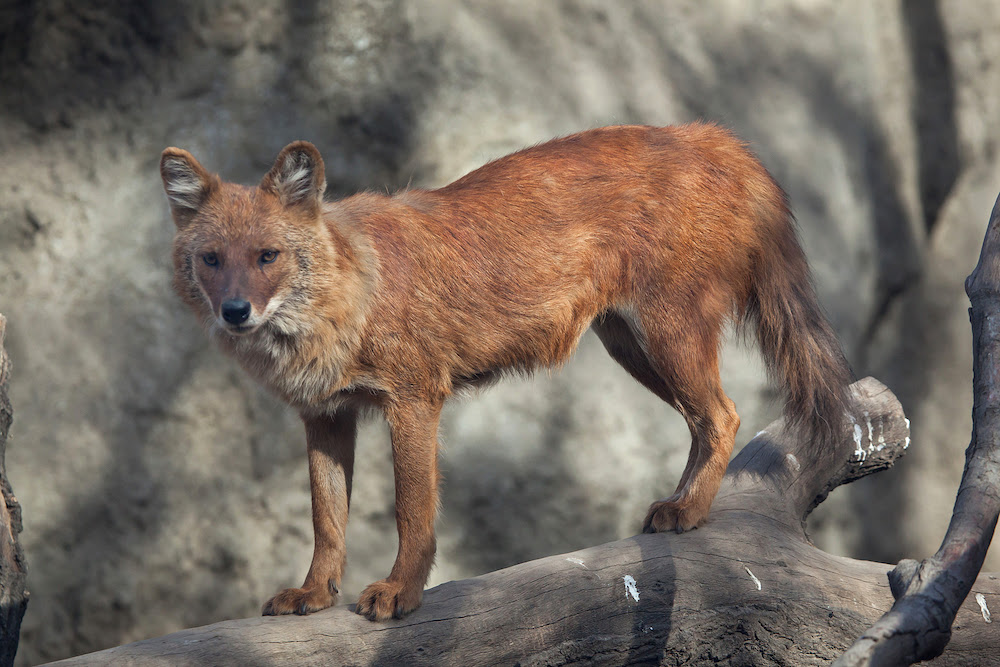
Dholes are canids that can be found in central, south, and southeast Asia. They are currently considered endangered. They are about 3 feet long and weigh 26–44 pounds. While they are…
Throughout the Canines Assisting Conservation series, we have looked at how trained dogs have been on the front lines of conservation protecting imperiled species. We have also examined…
Throughout the Canines Assisting Conservation series, we have examined how invasive species have been accidentally transported or illegally smuggled around the world, causing ecological threats wherever they land.…
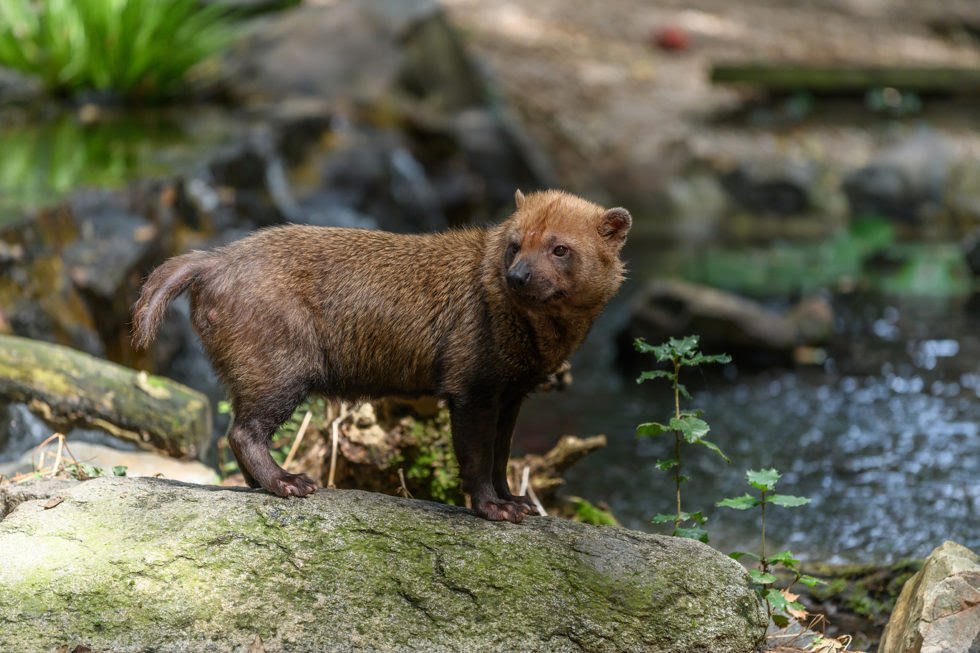
Hidden within the vast jungles and waterways of Central and South America lives one of the rarest and most threatened canines on Earth. In an ironic twist, the…
Modern science now incorporates canines into many different facets of conservation. From searching for subterranean water pollution to guarding threatened penguin colonies, dogs now have a paw in…
•Wolf Education & Research Center
Make a difference
Every gift protects wild carnivores.
94¢ of every dollar reaches the field — tracking collars, research grants, educator visits and the C3 journal. Your support keeps the work alive.