
Dogs and Wolves “Loyalty”
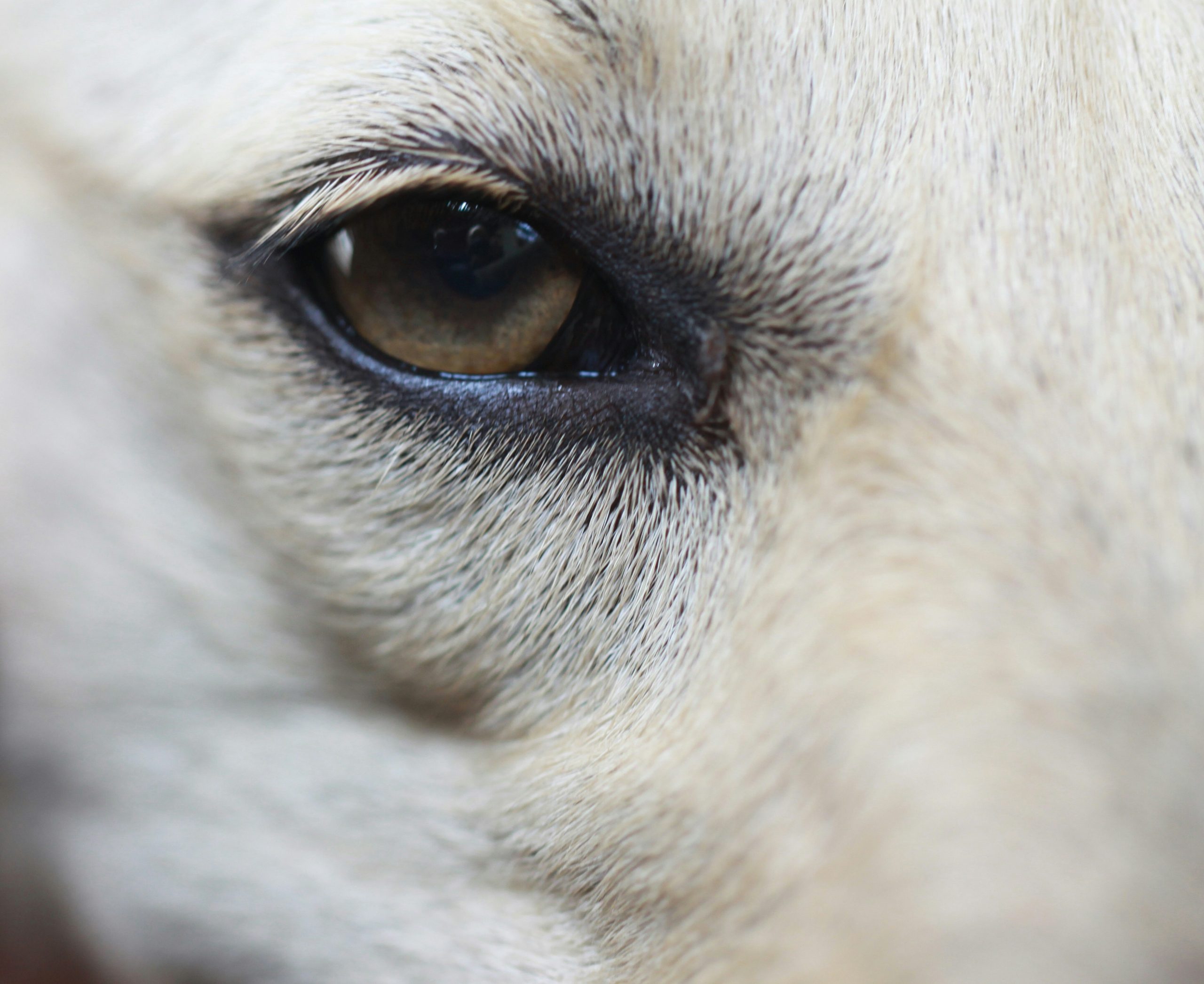
Engin Akyurt from Unsplash
Why it exists, what genetics has to do with it, how dogs build packs with humans, and why wolves can’t do it the same way
People talk about dogs as “loyal” and wolves as “loyal” and assume it means the same thing.
It doesn’t.
Dogs and wolves are close relatives, and both are social animals that form strong bonds. But the kind of bond a dog forms with a human is not just “wolf loyalty redirected.” It’s the result of a long evolutionary process that selected for something rare in the wild:
a social canid that treats humans as family.
This post traces a parallel between the two kinds of loyalty, explains why social bonding is useful, looks at the genetic and evolutionary roots of domestication, and answers the big question honestly:
Can wolves form “packs” with humans the way dogs do?
1) First, define “loyalty” the way biology would
“Loyalty” isn’t a scientific term. It’s a human word for a bundle of behaviors:
- staying close to someone
- cooperating
- defending
- sharing space and resources
- returning when separated
- tolerating conflict and repairing it
- preferring familiar individuals over strangers
In wolves, these behaviors mostly show up inside a family pack.
In dogs, those behaviors can show up inside human households, even across many breeds and lifestyles.
So the key question becomes: why are both species so good at bonding, and why is dog bonding with humans so unusually strong?
2) Why “loyalty” exists at all: the survival logic of social bonds
Wolves
Wolves are cooperative, family-based predators. Social bonding helps them:
- hunt more effectively (especially on large prey)
- raise pups with help from older siblings
- defend territory and resources
- maintain stable group life with fewer costly fights
A wolf that can cooperate and maintain relationships has an advantage.
Dogs
Dogs inherit the social toolkit of wolves, but domestication shifted the target of bonding. Social bonding helps dogs:
- integrate into a group (often a human family)
- coordinate with humans (following cues, routines, and rules)
- reduce stress through attachment (safe base behavior)
- gain food and protection by staying close to humans
For dogs, social bonding is not just helpful. In many contexts it’s the entire strategy.
3) The genetic roots: domestication didn’t just tame wolves, it selected a new social type
It’s tempting to think dogs are “wolves, but nicer.” The better framing is:
Dogs are wolves’ cousins shaped by selection for friendliness, reduced fear, and interspecies communication.
Domestication repeatedly favors traits like:
- reduced flight distance (less fear of humans)
- greater tolerance of novelty and handling
- more social attention to humans (seeking eyes, faces, gestures)
- lower reactivity to stressors in human environments
- prolonged juvenile traits (playfulness, flexibility, social learning)
Over many generations, those traits reshape behavior. Not perfectly, not uniformly across all dogs, but strongly enough that most dogs can thrive with humans in a way wolves generally cannot.
A useful concept here is self-domestication and selection for tameness: when animals that tolerate humans best get more access to food and safety, friendliness becomes an advantage, and the population gradually changes.
4) Dogs form “packs” with humans. What does that really mean?
Dogs don’t join human families because they’re confused. They’re built for social integration.
A dog’s “pack” with humans often includes:
- attachment behaviors (following, greeting rituals, separation distress in some cases)
- social referencing (checking human reactions to decide what’s safe)
- learning human rules and cues (voice, gesture, routine)
- cooperation (play, work, guarding, herding, retrieving)
Dogs can treat humans as:
- social partners
- caregivers
- cooperative teammates
- protectors and protected
This is one of the most remarkable cross-species relationships on Earth.
5) So could wolves form a “pack” with humans too?
Here’s the honest answer:
Wolves can form bonds with humans under certain conditions, but they do not form human-style packs the way dogs do, especially not reliably, safely, or at household scale.
What wolves can do
- In captive settings, especially when socialized early, wolves can form strong relationships with specific caretakers.
- They can show affection, play, recognition, and preferences for familiar humans.
- They can learn routines and respond to experienced handlers.
What wolves generally don’t do (and why it matters)
- Wolves are not domesticated. Their default behavior is shaped for wild life: territory, prey drive, independence, and risk assessment.
- As wolves mature, many become less tolerant of novelty and less flexible socially with humans than dogs typically are.
- Their social instincts are calibrated for wolf family groups, not for human households with frequent visitors, unpredictable handling, and dense daily exposure.
So while individual wolves can bond with humans, the dog-like “family pack” relationship is not a realistic or ethical expectation for most wolves.
6) The key difference isn’t “love,” it’s predictability and safety
People sometimes frame this as: “dogs love us more than wolves.”
A better framing is:
Dogs are generally more predictable in human environments because domestication selected for:
- tolerance
- reduced fear
- communication with humans
- ability to live safely in close quarters
Wolves may bond deeply, but their behavior is not consistently suited to household life. That’s not a moral flaw. It’s wild ecology doing what it’s built to do.
7) Why the parallel matters for coexistence messaging
This comparison can improve wolf conversations in two ways:
- It helps people respect wolves without romanticizing them.
Wolves are social and bonded, but they’re not dogs in the woods. - It helps people interpret conflict more accurately.
A wolf’s strong pack bond doesn’t mean it’s “loyal to humans.” It means it’s loyal to its family group and territory.
Confusing these leads to two common mistakes:
- demonizing wolves (“they’re heartless killers”)
- domesticating wolves in our minds (“they’re just big dogs”)
Neither helps coexistence.
What you can do today
- If you hear “wolves are just like dogs,” try:
“They’re related, but dogs were shaped by domestication to live with humans. Wolves bond strongly, mainly within wolf families.” - If you hear “wolves don’t care,” try:
“Wolves are social, family-based animals. Their bonds are real, just not designed for human households.” - Support science-based education that keeps wolves wild and dogs safe:
secure attractants, keep dogs controlled in wolf country, and avoid content that treats wolves as pets.
The Big Idea
Dogs and wolves both have powerful social bonding because social bonds solve survival problems. But dog “loyalty” toward humans is a special evolutionary outcome: domestication selected for animals that could treat humans as social partners and thrive in our world.
Wolves can bond with humans in limited settings, but they are not built to form human-style packs reliably or safely. The most respectful view is also the most accurate:
Dogs show how deep canid social bonding can go across species. Wolves show what that bonding looks like in the wild, family-based, cooperative, and meant for wolves.
Stay in the pack