The Myth of the Lone Wolf
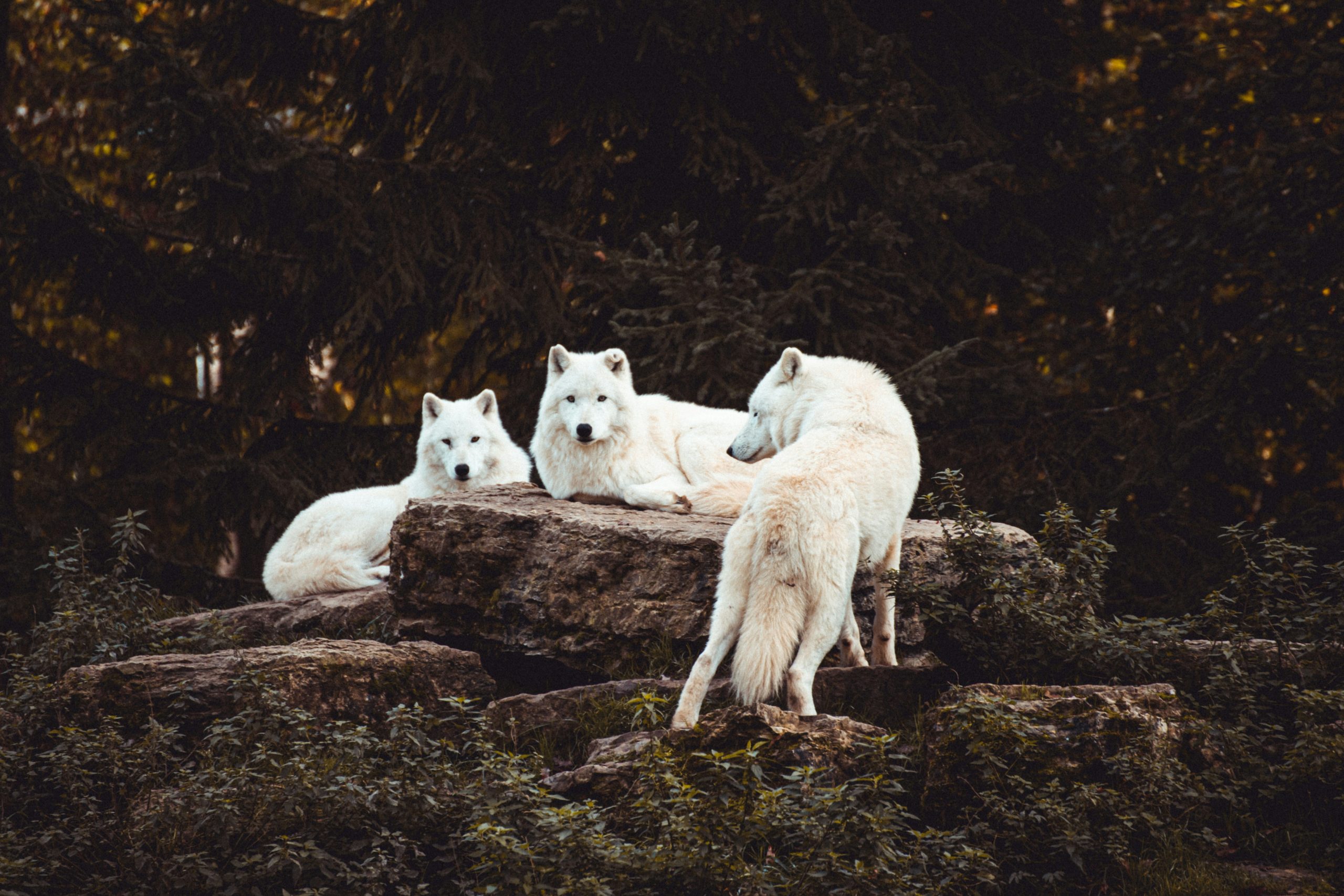
Photo by Thomas Bonometti on Unsplash
What wolf pack dynamics really look like, why wolves aren’t “solo predators,” and what mating and pair bonds actually mean
The “lone wolf” is one of the most popular wolf images in modern culture: independent, self-sufficient, roaming alone by choice.
It’s also one of the most misleading.
In real wolf ecology, a wolf’s superpower isn’t isolation. It’s relationship: family structure, cooperation, communication, and shared survival.
This post breaks down wolf pack dynamics, where “lone wolves” actually come from, and what we can honestly say about wolf mating and pair bonds—without turning wolves into either villains or romance characters.
1) What a wolf pack is (most of the time)
A wolf pack is usually a family group.
That commonly means:
- a breeding pair (often best thought of as the parents)
- pups of the year
- older offspring (yearlings, sometimes two-year-olds) who may still be around helping
This is why pack life looks less like a hierarchy obsessed with dominance and more like a household:
- parents guiding movement and protecting young
- older siblings babysitting, playing, and sometimes helping provision pups
- the group coordinating travel, hunting, and territory defense
Pack size and structure can vary by region and prey base, but the family foundation is a strong pattern across many wolf populations.
2) Why wolves form packs: cooperation solves real problems
Wolves don’t pack up because they’re social for fun (though they are social). They pack up because cooperation is practical:
A) Hunting efficiency
Hunting large prey can be risky and energy-expensive. A coordinated group can:
- increase success rate
- reduce injury risk per individual
- defend kills from scavengers or competitors
B) Pup survival
Raising pups is resource-intensive. Packs spread the cost through:
- provisioning
- guarding
- social learning and play (which is training)
C) Territory stability
A pack maintains territory boundaries through scent marking, travel routines, and presence. Stable territories can reduce chaotic overlap and conflict with neighboring packs.
3) So what is a “lone wolf,” really?
In biology, a “lone wolf” is usually not a wolf choosing solitude as a lifestyle brand.
It’s often one of these:
A) A disperser
Many wolves eventually leave their natal pack to find a mate and territory. This dispersal phase can last weeks to months (sometimes longer) and often involves traveling through unfamiliar landscapes.
A disperser is temporarily alone because they are in transition, not because they are rejecting social life.
B) A wolf between packs
A wolf may be alone after:
- losing a mate
- being displaced from a territory
- pack disruption (due to mortality, human actions, or ecological change)
Again: alone doesn’t mean “built for loneliness.” It usually means “in a difficult interval.”
C) A wolf on a task
Even pack wolves can travel alone briefly—scouting, moving between rendezvous areas, or using corridors. Short-term solitude is normal within a social system.
The key point: “Alone” is a phase. Pack life is the strategy.
4) Why the “lone wolf” myth persists
Because it’s useful to us.
The lone wolf is a cultural symbol for:
- independence
- toughness
- outsider identity
- rebellion against society
But that’s human storytelling. Wolves don’t carry our metaphors.
The cost of this myth is that it hides what wolves actually are: family-based predators shaped by cooperation, not solitary heroes.
5) Wolf pack “roles” without the outdated clichés
You’ll often hear simplified terms like “alpha,” “beta,” “omega.” Real packs are more fluid than that.
A more accurate way to think about roles is seasonal and functional:
- Breeding female: denning anchor during early pup weeks; central to nursery season
- Breeding male: often increases provisioning and territory defense during denning
- Yearlings/older siblings: helpers, babysitters, play partners, escorts
- Pups: learning engines—play, practice, social bonding, and gradual integration
Leadership tends to emerge through:
- experience
- context
- season (denning changes everything)
- real-time decision-making
Not constant rank conflict.
6) Mating and pair bonds: what “loyal” really means in wolves
Wolves are often described as mating for life, and many packs do appear to be built around a relatively stable breeding pair. But it’s important to be precise:
What we can say confidently
- Wolves commonly form pair bonds.
- Packs often center around a breeding pair for a period of time.
- The pair bond supports stability for raising pups and defending territory.
What we should avoid overstating
“Loyal” can sound like a moral promise. Wolves aren’t making vows. They’re making survival decisions.
If a mate dies, or conditions change, wolves can re-pair. That isn’t betrayal—it’s ecology.
A good way to phrase it:
Wolves often form strong pair bonds and family units, and those bonds can be stable—until circumstances force change.
7) Regional differences that matter
Pack dynamics are broadly similar, but ecology changes the details:
Prey size and availability
In regions where prey is large and dangerous, cooperation can be especially important. Where prey is smaller or more dispersed, pack size and hunting strategy can shift.
Humanized landscapes (parts of Europe/Iberia)
Wolves may become more nocturnal and discreet, which can make packs feel “invisible” even when present. Movement patterns may be shaped by roads, settlements, and disturbance.
Far north / short seasons
Short growing seasons can compress the timeline for pup development. Packs may need to capitalize quickly on seasonal food windows, shaping travel and provisioning behavior.
The takeaway here is simple: the family system is consistent; the constraints change.
8) What you can do today
If you want to replace the lone-wolf myth with reality:
- When someone says “wolves are solitary,” try:
“Most wolves live in family groups. ‘Lone wolves’ are usually dispersers between packs.” - When you see “alpha” or “lone wolf” content online, ask:
Is this describing wolf behavior—or using wolves as a metaphor for humans? - Support education that teaches wolves as real animals in real ecosystems, not symbols.
The Big Idea
Wolves aren’t built for solitude. They’re built for family life and cooperation. Most packs are parents and offspring working together to hunt, raise pups, and maintain territory. When wolves are alone, it’s usually a temporary life phase (dispersal, loss, or transition), not an identity.
Wolves also form pair bonds that can be long-lasting and stabilizing, but it’s better to describe them as practical ecological partnerships than as human-style romance. The details vary by region—prey, landscape, and human overlap change the constraints—but the core truth holds worldwide:
If we want better wolf conversations and better coexistence, we have to stop picturing wolves as solitary icons and start seeing them as families.
Filed under
Stay in the pack