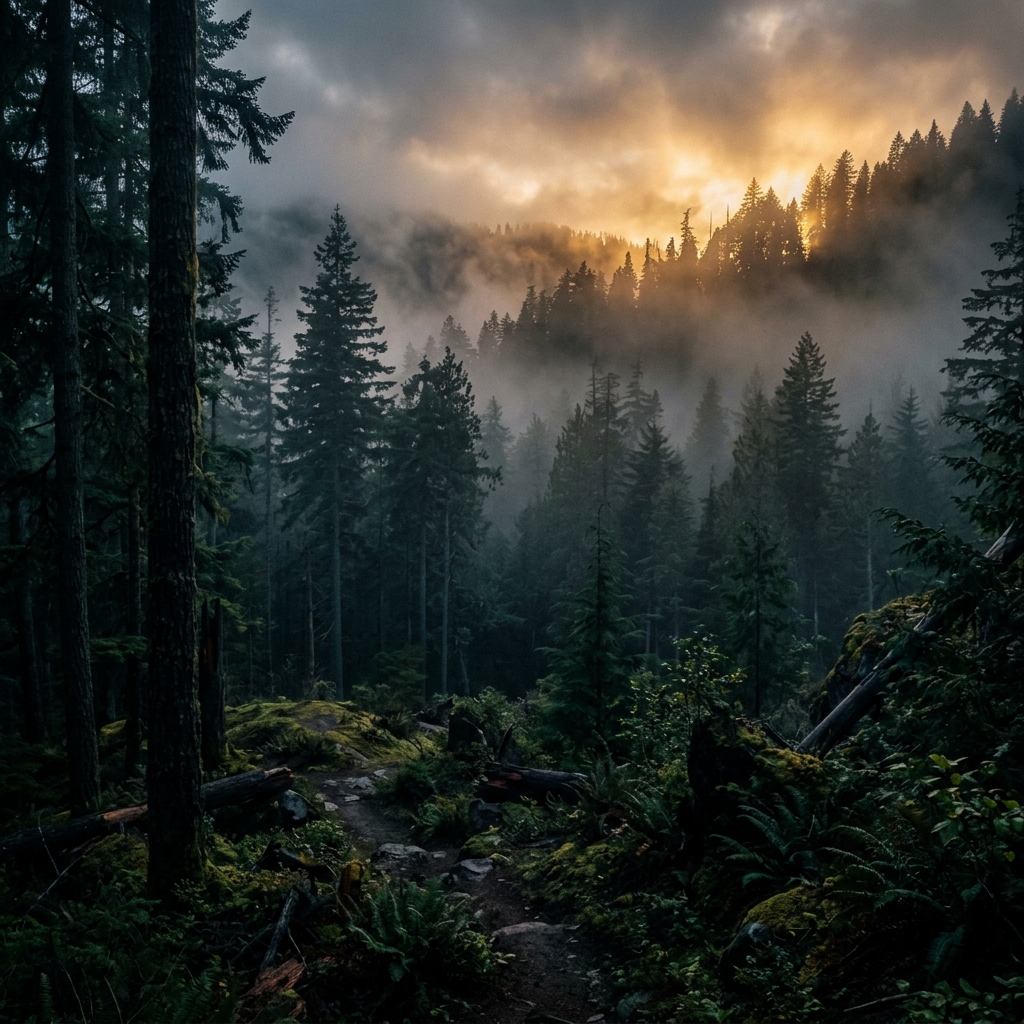
Wolves and Water
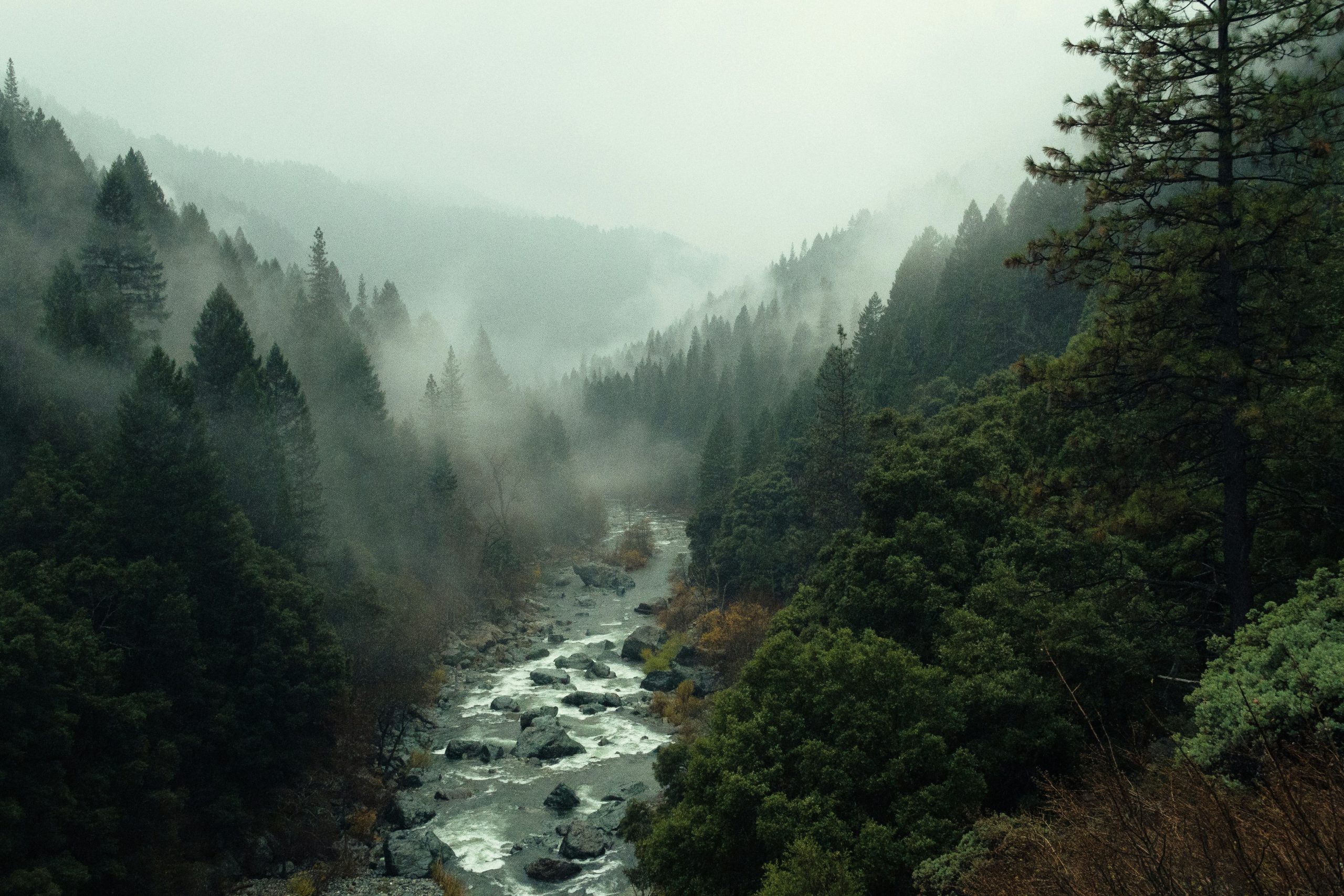
Photo by pine watt on Unsplash
How wolves stay hydrated, what they drink (and don’t), and how water shapes movement
When we picture wolves, we picture teeth, tracks, and territory. We don’t usually picture water.
But water quietly shapes almost everything wolves do: where they travel, when they move, which places become “high overlap zones” with people and livestock, and how wolves cope with winter freeze or summer heat.
Here’s what we know, what we can say carefully, and why it matters for coexistence.
1) Wolves don’t live “far from water” the way we imagine
Wolves can live in places where liquid water is scarce or frozen for months, and they still meet their hydration needs. One reason is simple: meat is wet.
WERC has explained this plainly in an educational piece: in cold climates where streams and ponds freeze, wolves still need substantial water, and they often meet that need by eating snow during winter.
A classic Alaska-based thesis on winter water metabolism underscores the same constraint: in arctic winter conditions, the only free water available may be snow, and snow consumption carries an energetic cost (melting/warming it).
2) How wolves get water
Wolves can obtain water through a mix of three “sources,” and the balance shifts by season and landscape.
A) Drinking free water
When streams, rivers, ponds, or lakes are accessible, wolves drink. The exact frequency depends on temperature, prey intake, lactation status, and local availability. In warm seasons, drinking becomes more important because heat increases water loss through panting and activity.
B) Water from food
Prey tissue contains a lot of water. That means a successful hunt does more than provide calories; it provides hydration. WERC notes that wolves can meet much of their water needs from the meat they eat, especially when open water is limited.
C) Metabolic water
Animals also generate water internally as they metabolize nutrients. This won’t replace drinking in hot conditions, but it matters in winter and in places where free water is limited.
3) Winter reality: snow can be a water strategy
In northern climates, wolves may go long stretches with minimal access to liquid water. WERC describes wolves simply eating snow when everything is frozen.
What’s easy to miss is that winter water is tied to energy: eating snow costs energy (you have to warm and melt it), and winter already strains energy budgets. That’s why water, temperature, and hunting success are linked in winter ecology.
4) Water shapes movement more than most people realize
Water isn’t only about drinking. It can become a travel feature.
A large GPS-collar study in Scandinavia found wolves selected lakes and rivers during ice periods and increased step length when traveling on frozen water, consistent with using frozen water bodies as efficient travel corridors.
A related thesis summary (“A Wolf’s Way of Water”) reports wolves selecting for frozen lakes and rivers during ice periods (especially at night) and suggests a tradeoff: wolves may reduce use of forest roads while selecting frozen water, potentially balancing travel efficiency against human encounter risk.
In plain language: sometimes winter water bodies aren’t barriers. They’re highways.
5) Hot periods: streams and rivers can become “corridors of contact”
In summer, water can pull everyone into the same places:
- prey concentrate near water
- wolves hunt near where prey concentrates
- people recreate near water
- livestock often graze near water
That overlap can increase sightings and edge encounters without any change in wolf numbers.
The same “A Wolf’s Way of Water” summary notes that in summer, wolves stayed closer to streams and rivers during hot periods, plausibly for drinking and/or cooling.
6) What this means for coexistence
If your goal is fewer conflicts and fewer fear-stories, water is one of the most practical lenses you can use.
Practical implications
- Heat + drought years can increase overlap near water sources.
- Riparian zones (stream corridors) can be higher-probability areas for tracks, scat, and sightings.
- Winter ice can change travel routes, sometimes creating long, efficient movement corridors that alter where wolves show up.
None of this means “wolves are seeking people.” It often means the landscape is funneling everyone into the same corridors.
What you can do today
- Treat water corridors in hot weather as higher-overlap zones. Keep dogs controlled, secure food/waste, and give wildlife space.
- If you manage livestock near water, prioritize seasonal prevention during the hottest/driest windows when overlap tightens.
- When you hear “wolves are suddenly everywhere,” ask: Did the landscape concentrate movement (heat, drought, freeze)?
The Big Idea
Wolves manage water through flexibility: drinking when available, getting moisture from prey, and even eating snow in winter. But water is not just hydration. It’s geography. It shapes corridors, timing, and human overlap.
If you want to understand where wolves will be and why, follow water and seasonality first.
Filed under
Stay in the pack