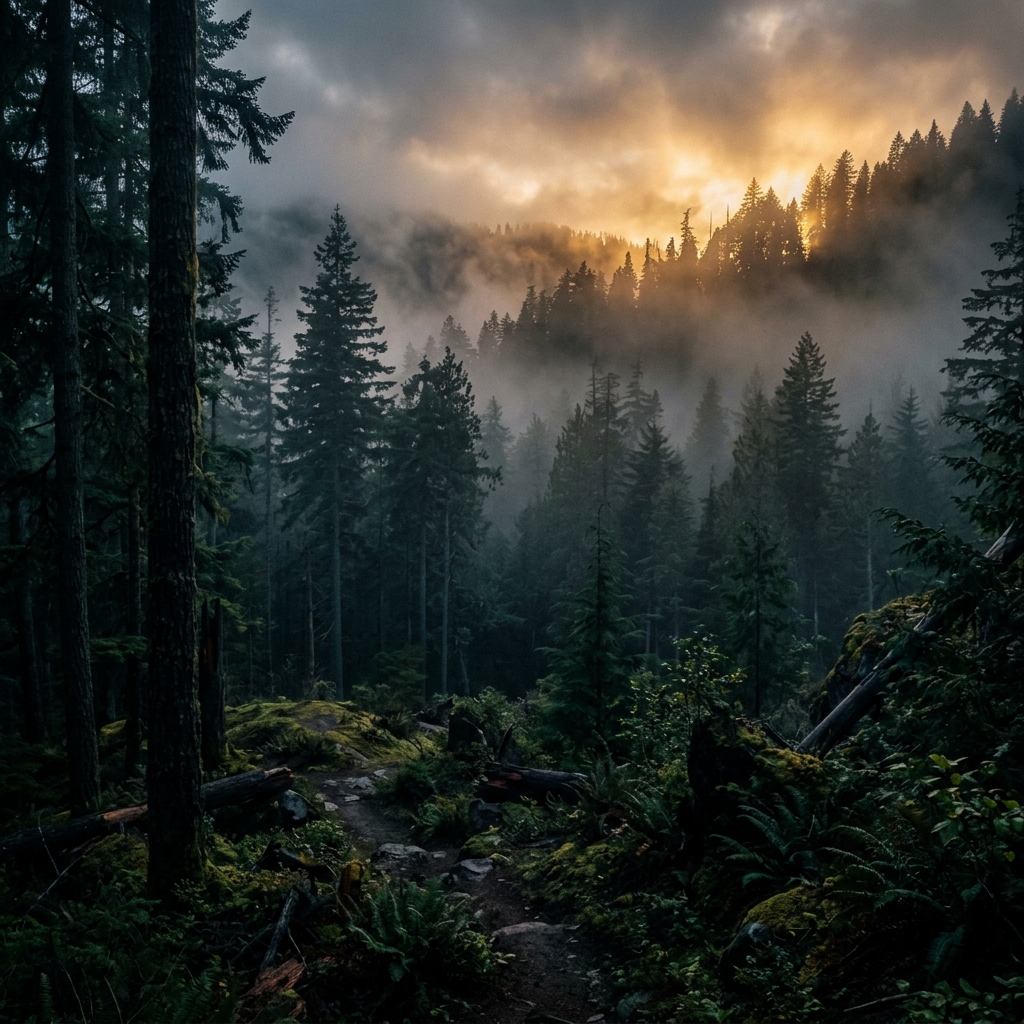
Finland’s Wolves
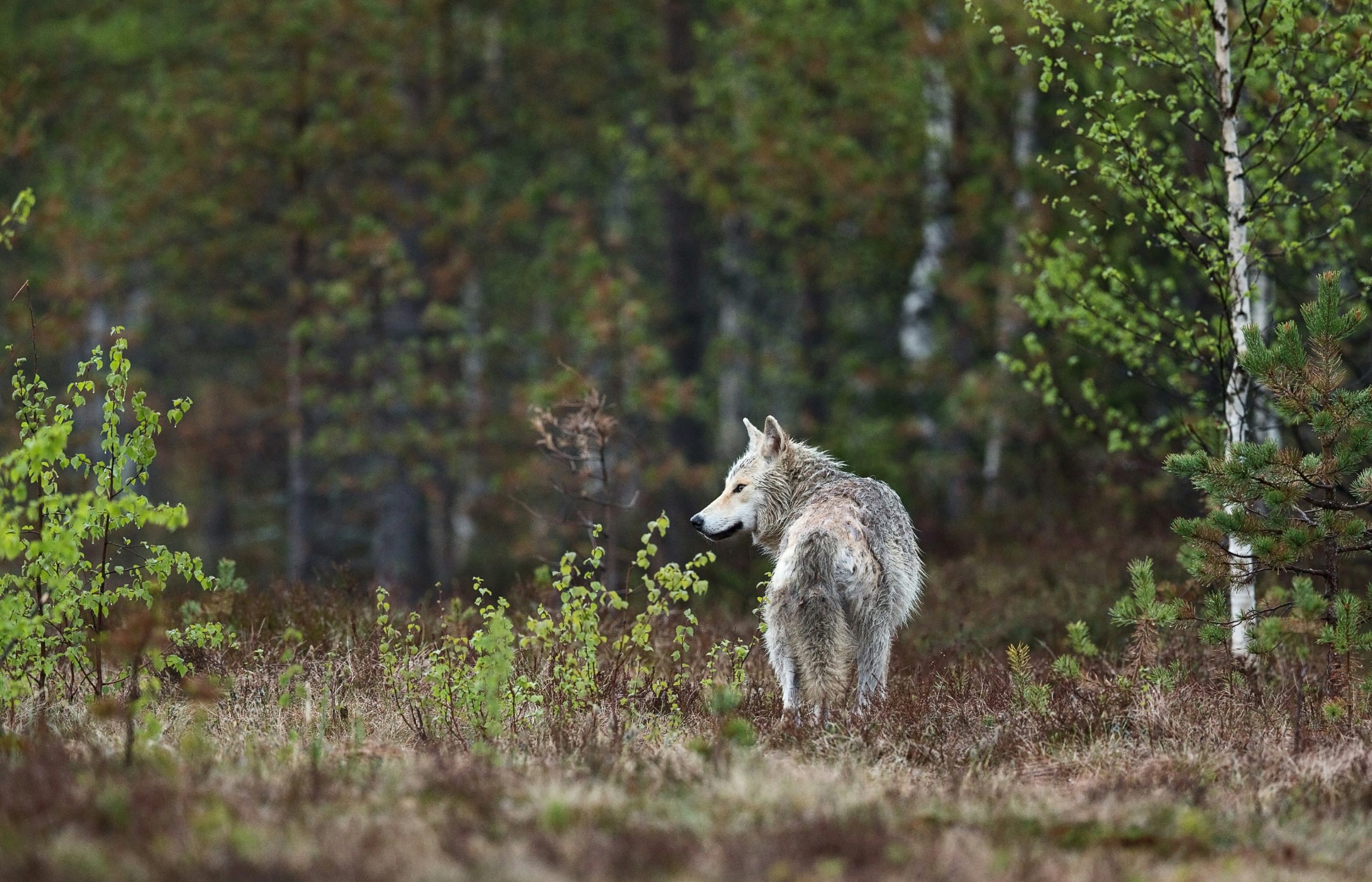
Photo by Hans Veth on Unsplash
Wolves Around the World
Forests, Tracks, and the Quiet Infrastructure of Coexistence
Finland is one of those places where “wolf country” isn’t a remote wilderness—it’s often a working landscape: forests threaded with cabins, berry-picking trails, hunting grounds, and small towns. Wolves are present, debated, and managed—and what stands out isn’t just the ecology. It’s the systems Finland has built to help people live with large carnivores in a way that’s practical, trackable, and teachable.
This post is part of our Wolves Around the World series—stories designed for readers inside and outside the U.S., with an emphasis on how landscape, culture, and policy shape coexistence.
1) Finland’s geography: why wolves fit here (and why conflict can still happen)
Finland is a boreal country—a vast mosaic of conifer forests, wetlands, lakes, and low-density rural areas. This landscape supports abundant prey (like moose and deer), long corridors of cover, and seasonal movement patterns that can bring wildlife close to roads, cabins, and villages.
In other words: it’s perfect wolf habitat and a landscape humans use actively. That overlap is where coexistence becomes real—not theoretical.
2) Wolves in Finland today: a population in motion
Finland’s wolf population has changed quickly in recent years, and that matters because fast change tends to intensify public debate.
A widely reported estimate from the Natural Resources Institute Finland (Luke) put Finland’s wolf population at 413–465 wolves (most likely ~430) in March 2025, up sharply from 277–321 (most likely ~295) in spring 2024.
Luke also notes that wolves were long concentrated mainly in Eastern Finland, but have spread more evenly across the country in the last decade—one reason wolf conversations show up far beyond a single “wolf region.”
3) How Finnish kids learn about wolves: tracks first, fear last
One of the most interesting parts of Finland’s approach is that wolf education is often embedded in nature literacy—the idea that children learn to read the outdoors the way they learn to read text.
A) “On the trail of large carnivores” (school materials)
Luke offers a school-focused educational package that teaches students to:
- identify tracks of large carnivores,
- understand biodiversity through predators,
- and learn how to act if they encounter a large carnivore.
That framing matters. Instead of starting from “wolves are dangerous,” it starts from: how do you interpret evidence and behave responsibly outdoors? That’s a science skill and a coexistence skill.
B) Nature education as a national habit
Metsähallitus (Parks & Wildlife Finland) describes its role in offering children and adolescents experiences in nature and building knowledge and skills through education and communication—essentially institutionalizing nature learning as part of growing up in Finland.
4) How people interact with wolves: Finland’s “middle layer” between citizens and science
A lot of countries have wolves. Far fewer have a strong “middle layer” between citizens and science—people and systems that make wolf presence legible.
A) The volunteer verification network
Finland uses trained local volunteers who check citizen sightings and enter verified observations into the Tassu large carnivore observation system. Luke describes these “large carnivore contact persons” (LCOs) as a cornerstone of population estimates, noting there are about 2,400 of them.
This changes the public conversation. Wolves aren’t just “rumors.” They become data—tracks, sightings, and territory patterns.
B) Local cooperation groups in wolf territories
The Finnish Wildlife Agency describes cooperation groups in wolf territories that support local wolf management—communicating about local wolf situation and linking with the contact person network that verifies sightings for Tassu.
5) Coexistence realities: dogs, livelihoods, and the north
Coexistence in Finland isn’t a single issue—it’s multiple overlapping concerns:
- Dogs and hunting culture: Dogs can be a flashpoint in wolf regions; Finland’s coexistence work explicitly includes themes like dogs and hunting.
- Livelihood landscapes: Finland’s wolf management plan emphasizes stakeholder involvement and local-level approaches—because “one-size-fits-all” solutions don’t hold across regions.
- Northern contexts: Across Fennoscandia, large carnivore management intersects with reindeer husbandry considerations—another layer of complexity that shapes policy and practice.
6) What Finland teaches the rest of us
If you’re reading from outside Finland, here’s the transferable insight:
Coexistence improves when the landscape becomes readable. Finland invests heavily (directly and indirectly) in:
- public nature literacy (tracks, behavior, safe conduct),
- verification and data systems,
- local cooperation and communication,
- and structured approaches to conflict and policy.
That doesn’t eliminate disagreement—but it reduces the space where fear grows unchecked.
One-minute actions (anywhere in the world)
- Teach “tracks before takes.” Start wolf learning with evidence: tracks, habitat, prey, territories—not viral clips.
- Separate observation from interpretation. “I saw tracks” is different from “wolves are everywhere.”
- Support systems, not slogans. Education, prevention, and reporting tools are the work that lowers conflict over time.
Filed under
Stay in the pack