Spring’s Hidden Season
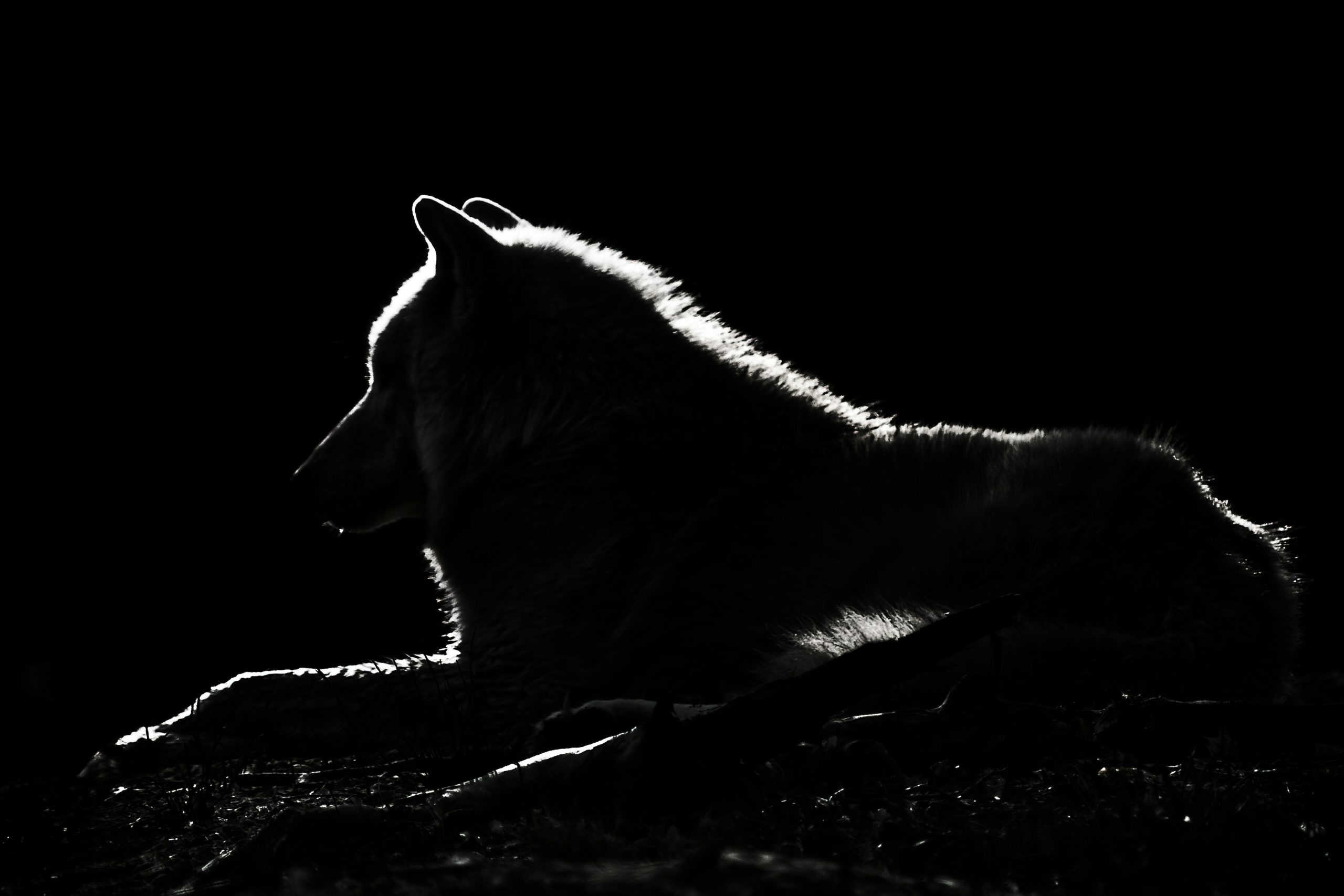
Photo by Fabian Lauer on Unsplash
Wolf pregnancy in the wild—how rising temperatures shape denning, birth timing, and pup survival around the world
As late winter loosens its grip and temperatures begin to rise, wolves enter one of the most sensitive periods of their year: pregnancy, denning, and birth. Most people never see it. That’s the point. Wolves are built to keep this season quiet—protected, energy-efficient, and closely tied to food availability.
This post is part of our Wolves Around the World lens: the same species (or closely related populations), different landscapes—different timing, den choices, and pressures.
1) The basics: pregnancy is short, but the timing is everything
Across many gray wolf populations, breeding happens in late winter, and gestation is about 62–63 days.
That means births often land in spring, when conditions begin to improve and prey availability is about to surge.
Why spring? Because spring is when many prey species have young (or are in weaker post-winter condition), and warmer weather reduces the energy cost of keeping newborn pups alive.
2) What changes when temperatures rise: denning, mobility, and “quiet time”
Once pregnant, a breeding female begins shifting into den-focused behavior:
- Dens become the center of gravity. Adult movement patterns tighten around the den area during birth and early pup weeks.
- Warmth matters. Newborn pups can’t regulate temperature well; milder conditions reduce risk and energy needs.
- Disturbance matters. This is the season when repeated human or dog disturbance can force den moves—costly in time and energy.
3) Different regions, different birth windows
A) Temperate North America (Lower 48 / Great Lakes)
In many temperate areas, wolves commonly breed February–March, with pups born late April–May (sometimes into early June).
Why this window fits: snow is retreating, prey young are arriving, and den sites stay workable—well-drained soils, banks, roots, and cover.
B) Alaska / far-north subarctic
Alaska references often place births around May or early June.
That later timing reflects a colder spring and later prey pulses.
Temperature effect: In colder regions, wolves tend to shift later so pups arrive closer to reliable warmth and food.
C) High Arctic wolves (tundra and polar deserts)
In the Arctic, denning faces an unusual constraint: frozen ground makes digging hard, so wolves may use caves, natural holes, or rocky shelter.
Birth timing is often late May to early June, and some sources note smaller litters in extreme arctic conditions.
Temperature effect: den structure and timing adapt to an environment where “spring” arrives late and shelter options differ.
D) Iberian Peninsula (Spain/Portugal)
In Iberia, pups are commonly born in late May (often discussed as May/June), aligning with spring-to-early-summer conditions.
Why it matters: Iberia is a powerful example of wolves living in humanized landscapes—where den secrecy, quiet corridors, and human activity patterns can matter as much as habitat.
E) Hotter climates: Indian wolf (South Asia)
In warmer, drier regions, timing can shift dramatically earlier. References for Indian wolves commonly describe breeding in Oct–Nov with pups arriving Dec–Jan (winter/early dry season), with dens in holes, ravines, caves, or cavities.
Temperature effect: when “spring warming” would become dangerously hot, giving birth earlier can reduce heat stress and align pup-rearing with safer seasonal conditions.
4) Do wolves “behave differently” by region during birth?
The core pattern is consistent: denning, reduced movement for the mother, pack support, and a focus on keeping pups warm, fed, and hidden.
What varies by region tends to be:
- Birth timing (phenology): later in cold regions, earlier in very hot regions.
- Den type: dug dens in workable soils vs. rock shelters/caves where digging is limited.
- Human overlap pressures: in landscapes with dense human use, den secrecy and disturbance tolerance can become a bigger factor in survival outcomes.
5) What to watch for (without looking for dens)
If you’re a hiker, photographer, or outdoor recreationist in spring:
- Expect wolves to be more protective of core areas.
- Avoid lingering at fresh track concentrations that lead repeatedly to one location.
- Keep dogs controlled; spring is when a curious dog can trigger defensive behavior—not because wolves are “monsters,” but because pups change the stakes.
The best rule is simple: let the nursery season stay invisible.
One-minute actions
- If you share wolf content in spring, add context: “It’s denning season—give wildlife space.”
- Support education and prevention: the work that reduces conflict before it happens.
- When you hear “wolves are everywhere this spring,” ask: Is this observation—or interpretation? (Spring activity can cluster near den territories.)
Filed under
Stay in the pack