
Coexisting With Wolves: A Practical Conflict-Prevention Toolkit (What Works, Why It Works, and How to Choose the Right Tools)
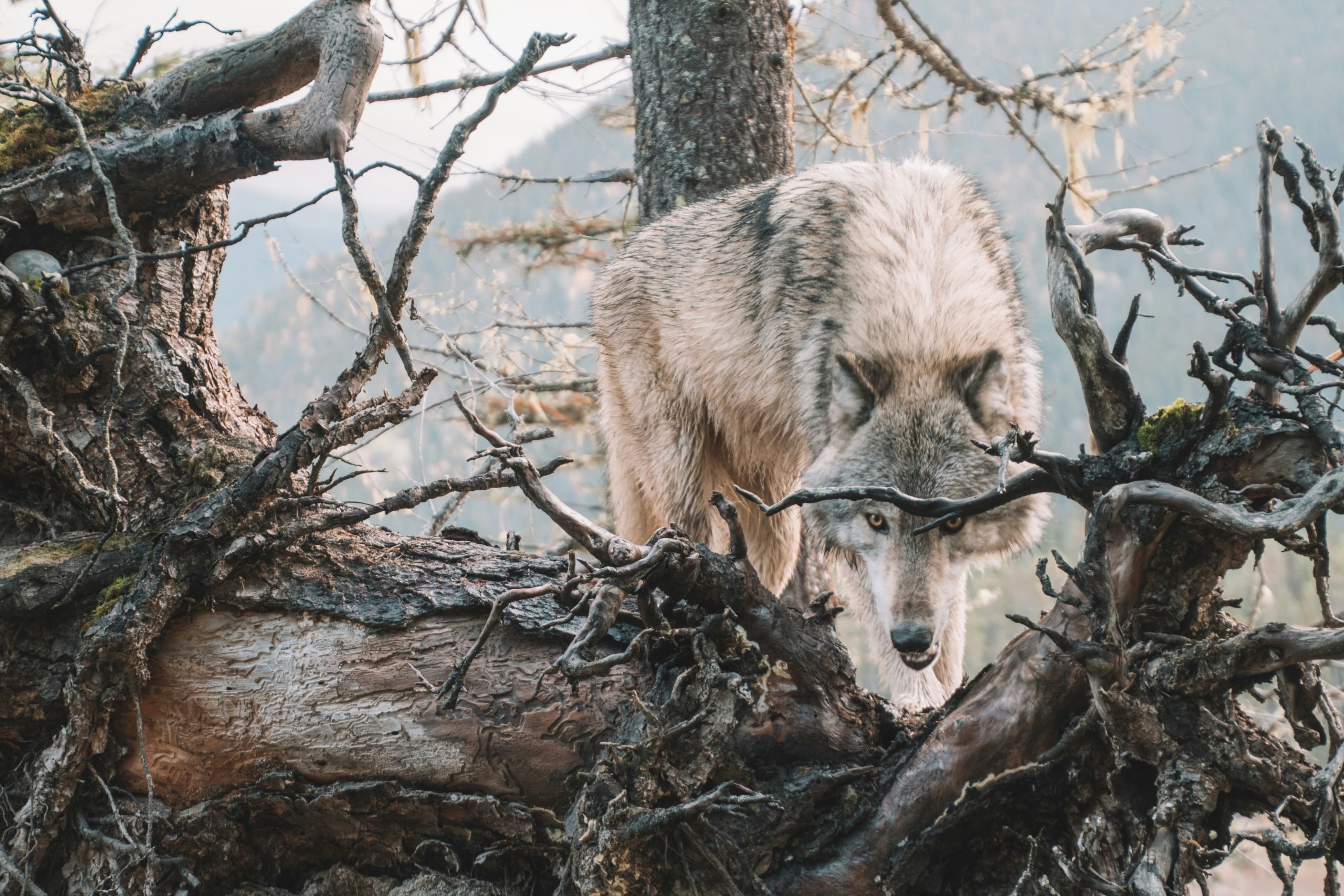
Photo by Brianna R. on Unsplash
Let’s start with the honest part: coexisting with wolves is not the same as “loving wolves.” Coexistence is practical. It’s about reducing conflict, protecting livelihoods, and keeping wildlife wild.
And it’s not a U.S.-only challenge. From the Alps to South Asia to North America, wolf recovery or persistence brings the same core question: how do we share landscapes safely—especially when livestock is involved?
Below is a toolkit you can use anywhere in the world, with notes on why each tool exists and who it’s for.
Why conflict happens (in plain language)
Wolves don’t read property lines. They move through territories searching for food, mates, and space. They also learn quickly: if something is consistently easy to catch (or poorly protected), it can become part of their routine.
That’s why prevention works best when it’s consistent and fits local husbandry—not when it’s reactive, temporary, or symbolic. Many reviews and regional programs conclude that tools like electric fencing and deterrents can reduce depredation, especially when implemented well.
The 5-tool prevention toolkit
1) Strong physical barriers (especially electric fencing)
Who it’s for: small farms, hobby breeders, calving/lambing areas, problem hotspots
Why it exists: wolves are efficient; barriers make “easy” prey not easy.
What it can look like globally:
- Alpine and EU coexistence projects commonly use high electric netting or multi-wire electric fences, sometimes paired with other measures.
- Scientific reviews consistently list fencing among the more effective tools—when properly built and maintained.
Key point: A fence is only as good as its maintenance. A single weak spot becomes the lesson a wolf remembers.
2) Night containment (corrals, barns, secure enclosures)
Who it’s for: pastoral systems, small stock (sheep/goats), seasonal grazing
Why it exists: many depredations occur at night; bringing animals into secure spaces reduces opportunity.
Global examples: In parts of India, communities use thorn corrals, night watch, and returning stock to villages at night as core protection habits.
Key point: Night containment is one of the simplest “reduce opportunity” moves—especially for vulnerable young animals.
3) Human presence and herding (the oldest tool)
Who it’s for: open-range grazing, large pastures, remote grazing allotments
Why it exists: attentive herding changes the risk calculus for predators.
European analyses of coexistence repeatedly highlight the role of shepherding / herding systems and managed routines as part of effective livestock protection—especially where fencing alone isn’t realistic.
Key point: This tool is labor-intensive. That’s why coexistence policy often needs to support it—not just recommend it.
4) Guardian animals (especially livestock guarding dogs)
Who it’s for: many systems, especially mixed measures
Why it exists: guardians add friction—an early warning and a strong “not worth it” message.
Guard dogs are widely used (globally), and they’re commonly paired with other tools as part of integrated prevention.
Important nuance: Studies and reviews can vary on how effective guardian dogs are on their own versus in combination, and outcomes depend heavily on training, stocking density, landscape, and husbandry.
Key point: Guardian animals are not a magic talisman. They’re a working tool that requires management.
5) Deterrents (like fladry) + “don’t feed the pattern”
Who it’s for: hotspots, temporary protection windows, areas with repeated visits
Why it exists: deterrents disrupt predictability. They add novelty and risk.
Fladry has shown up in both field programs and reviews as a deterrent option, sometimes used as a short-to-medium-term measure or paired with fencing.
Also essential: remove attractants and easy meals (e.g., carcass management where relevant). Prevention isn’t only about stopping wolves—it’s about not training them.
“Choose your context” mini-guides
If you’re a small farm / hobby livestock owner
Start with: fencing + night containment
Add if needed: deterrents and a guardian animal
Why: your operation can often be protected by creating a strong “no easy access” perimeter.
If you’re open-range / pastoral / large landscape grazing
Start with: herding routines + night containment
Add: guardian dogs + strategic fencing in hotspots
Why: mobility makes fences harder, so layered tools matter most.
If you’re a visitor / hiker / outdoor recreationist
Start with: behavior that keeps wolves wild
- Don’t feed wildlife; secure food waste.
- Keep dogs controlled in wolf country.
- Give space; don’t approach.
These principles are repeatedly emphasized in human-safety guidance: the overall risk is low, but habituation and attractants can change animal behavior.
Why this toolkit matters even if you “don’t have wolves”
Here’s the overlooked reality: coexistence skills are transferable. If your region has other carnivores (coyotes, jackals, big cats, bears), the same pattern holds: reduce attractants, protect vulnerable livestock, maintain boundaries, and support policies that fund prevention instead of only paying for losses after the fact.
The bottom line
Coexistence isn’t a slogan. It’s a set of practical decisions made by communities—supported (or undermined) by policy, funding, and public attitude. Wolves can be both ecologically important and socially complicated at the same time.
If we want landscapes that function as they should, we have to be willing to do the unglamorous work: prevention, education, and the steady effort of replacing fear-stories with reality. That’s exactly the work The Wolf Center is here to support.
Filed under
Stay in the pack