
Wolves of the Iberian Peninsula
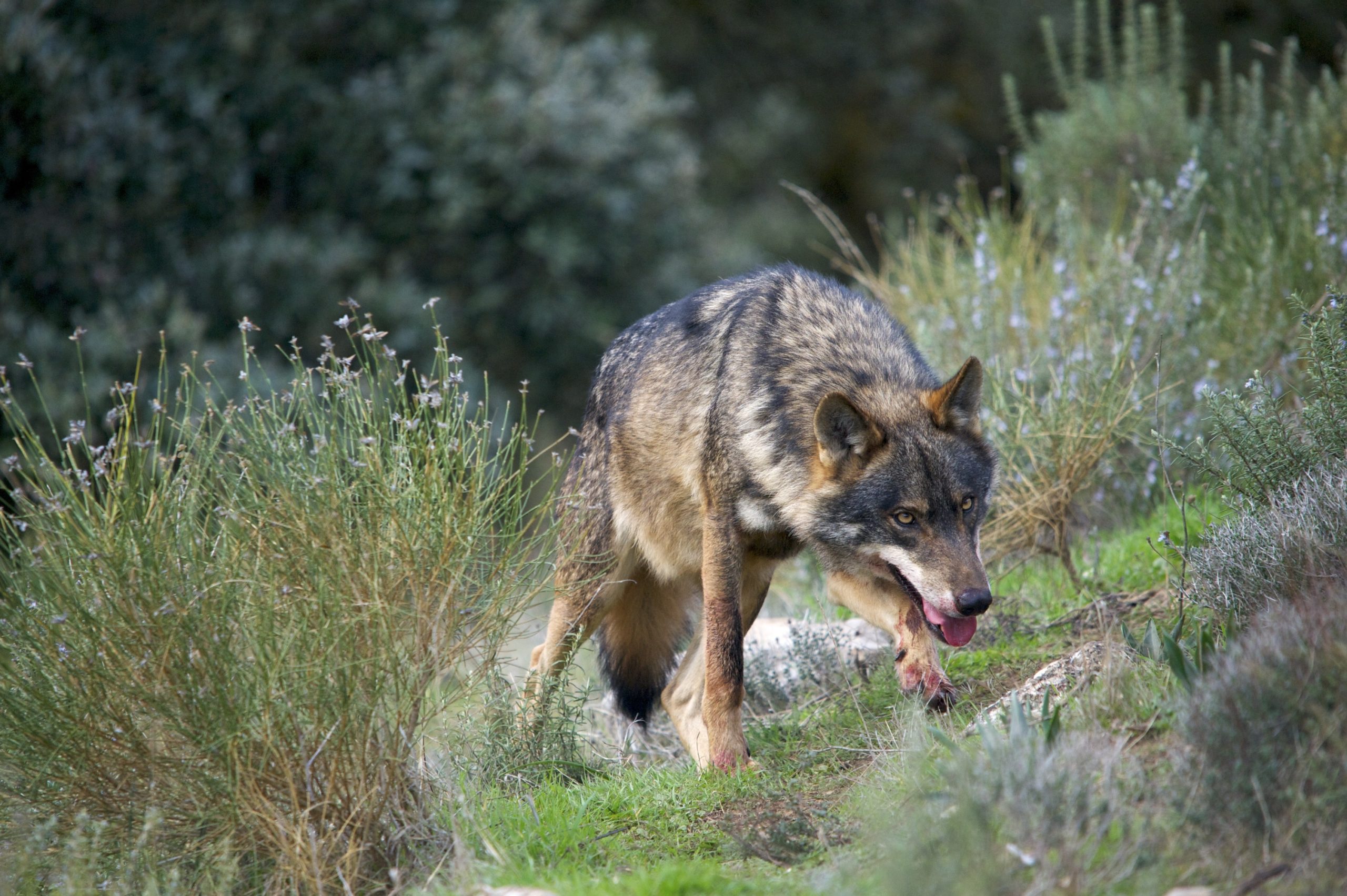
Photo By Arturo de Frias Marques
Series: Wolves Around the World
What’s unique about Iberian wolves—and what the region teaches the rest of us about coexistence
Wolves are often talked about as if they belong to one place and one debate. But the Iberian Peninsula (Spain + Portugal) reminds us of something simpler: wolves are a landscape species. When land use changes, prey shifts, or policy swings, the human–wolf relationship changes with it.
This is the first post in a new series—Wolves Around the World—built for readers inside and outside the U.S.: supporters, educators, wildlife lovers, and anyone trying to replace fear-stories with real understanding.
Quick context (30 seconds)
The Iberian wolf is a local form of gray wolf that persists mainly in the northwest of Spain and in northern Portugal. The conversation here is familiar to many regions:
- Wolves are ecologically important.
- Livestock losses are real and costly.
- Public narratives can run ahead of science.
- Coexistence works best when prevention is funded and consistent.
Spain’s most recent coordinated national wolf census (2021–2024) reported 333 packs—an increase from the previous census period.
In Portugal, reporting from conservation organizations and regional projects commonly describes a much smaller population—often cited around 250–300 wolves, largely concentrated north of the Douro (Douro/Duero) River.
What’s unique here (and what’s familiar everywhere)
Unique to Iberia
- Patchwork landscapes: Mountains, forest edges, farmland, and villages sit close together. Wolves don’t move in “wilderness only.”
- A cross-border species: Wolves don’t recognize Spain vs. Portugal. That makes management, messaging, and monitoring more complicated—and more important.
Familiar worldwide
- Conflict increases when protection is inconsistent, when attractants remain, or when husbandry systems are stretched thin—problems shared from the Alps to South Asia to North America.
Where conflict happens (and why)
Most conflict concentrates where three things overlap:
- Wolves moving through territories searching for food and space
- Vulnerable livestock windows (calving/lambing, night grazing, unattended herds)
- Gaps in prevention (weak fencing, poor maintenance, carcass attractants, no night containment)
The key idea: wolves learn. If a system repeatedly offers “easy access,” it can become part of routine behavior.
What coexistence looks like in Iberia
Tools that scale across regions
This is where Iberia connects to global coexistence practice: prevention is rarely one thing—it’s a layered system.
Electric fencing is repeatedly highlighted in research as one of the more effective measures (especially when properly installed and maintained).
European coexistence programs (including EU LIFE projects) commonly demonstrate combinations of electrical systems and deterrents as part of conflict reduction efforts.
A practical “Iberia-ready” prevention stack often looks like:
- Strong physical barrier (electric fence/netting)
- Night containment in higher-risk windows
- Human presence / herding routines where feasible
- Guardian animals where training/management capacity exists
- Short-term deterrents in hotspots (especially during vulnerable periods)
One detail that matters more than people think: maintenance. A fence is only as good as its weakest point—and wolves notice patterns faster than we do.
The policy layer (why narratives matter)
Iberia also shows how quickly wolf management becomes political. Spain expanded wolf protection nationally in 2021, and debate over hunting/management has continued, including reported moves in 2025 to reinstate hunting in parts of the country north of the Duero.
Whether your region leans toward strict protection or managed removal, the same underlying lesson holds: prevention and coexistence capacity determine whether conflict grows or shrinks.
Myths that travel vs. facts that hold
Myth that travels: “Wolves only thrive where humans don’t live.”
Reality that holds: Wolves can persist in human-shaped landscapes—but the conflict level depends heavily on prevention, husbandry, and public behavior.
Myth that travels: “Coexistence is just a feel-good slogan.”
Reality that holds: Coexistence is a toolkit: barriers, routines, deterrents, guardians, and community coordination—supported by funding.
What Iberia can teach the rest of the world
- Cross-border thinking is essential. Wolves connect landscapes—so management needs cooperation.
- Prevention is infrastructure, not advice. If we want fewer losses, prevention must be resourced like any other public good.
- Culture drives policy. What people believe about wolves shapes what governments do.
One-minute actions
- If you live in wolf country: choose one prevention upgrade this month (maintenance check, night routine, attractant cleanup).
- If you’re outside wolf country: support prevention-focused programs and education—skills transfer to other carnivores too.
If you’re an educator: teach “Observation vs. Interpretation” using wolves as the example. It builds scientific thinking and media literacy.
Filed under
Stay in the pack