
From Sacred to Scapegoat
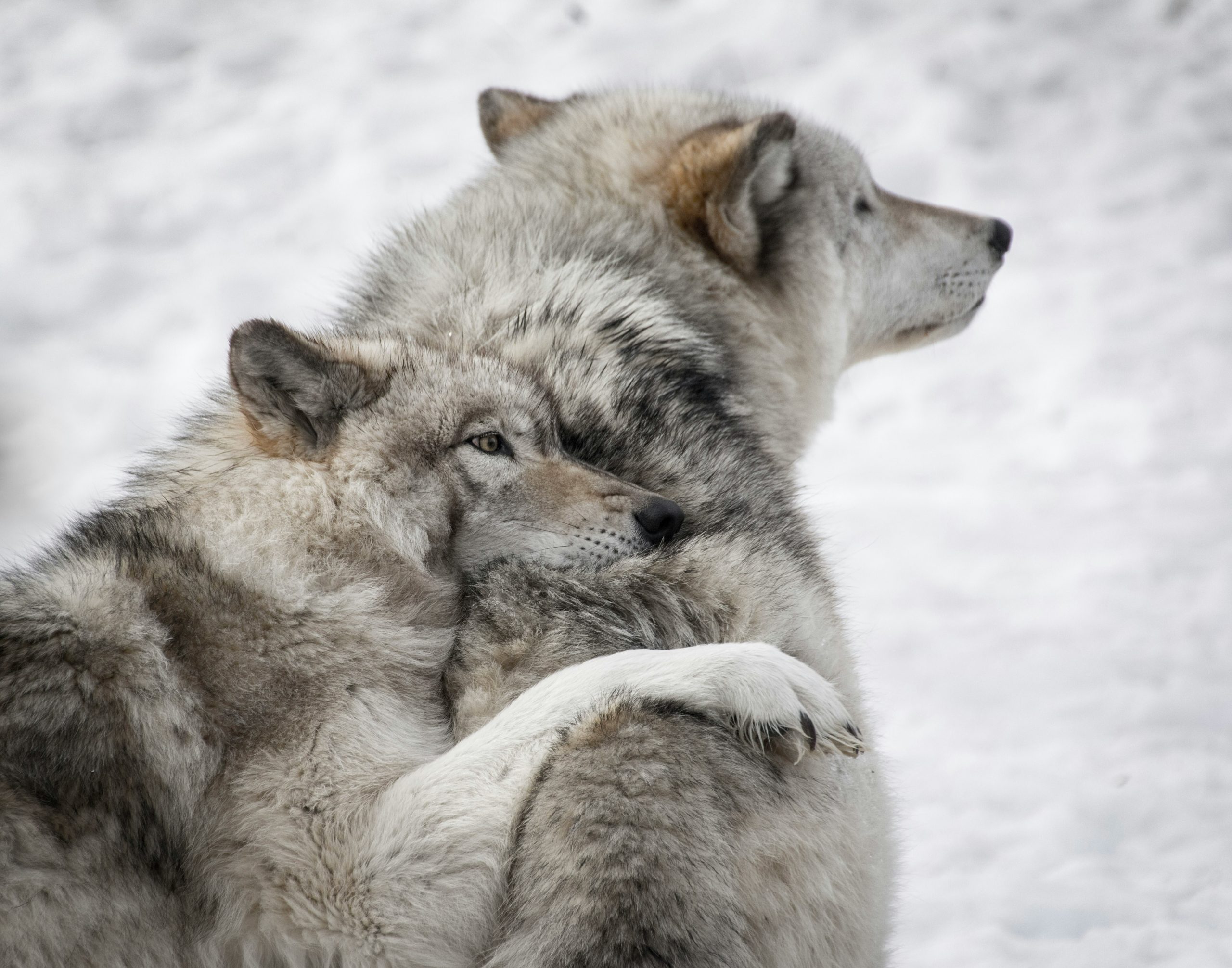
Photo by Yannick Menard on Unsplash
Series: Wolves in Popular Culture
Wolves in popular culture across centuries—and why those stories still shape coexistence today
When people argue about wolves, they rarely argue only about biology. They argue about meaning—and meaning is made through stories: myths, religion, folklore, art, and modern media.
This is the first post in a new series—Wolf Stories—that treats culture seriously without letting it replace science. The goal isn’t to “erase” myth. It’s to help readers notice when a story is shaping fear—and how to keep wonder without spreading misinformation.
The big idea
Wolves are real animals. “The Wolf” is also a character. And the character has been used for centuries to represent everything from protection and bravery to danger, hunger, and evil.
Those cultural impressions don’t stay in books. They influence:
- how communities react to wolf presence
- what policies feel “acceptable”
- whether prevention gets funded—or conflict is handled only after losses
A quick timeline you can actually remember
1) Ancient world: the wolf as origin and power
In parts of Europe, wolves appear as foundational symbols—strength, protection, and the wild’s authority (think Roman origin myth imagery, and broader Eurasian motifs of wolves tied to identity and power).
2) Medieval Europe: the wolf as moral warning
In many religious contexts, the wolf becomes a moral metaphor: predator vs. flock, danger vs. innocence—imagery that helped build the “wolf = threat” reflex in the cultural imagination.
3) Early modern period: fear, trials, and the werewolf shadow
In parts of Europe, werewolf panic and “monstrous” accusations spread. Some scholars suggest that the wolf figure in later folktales absorbed this fear as werewolf anxieties faded.
4) Fairy tales: the Big Bad Wolf goes mainstream
Once stories like Little Red Riding Hood become widely circulated and standardized, the wolf-as-villain becomes a default cultural shorthand—especially in children’s storytelling. (And once it’s in childhood, it tends to stick.)
5) Modern era: wolves split into two stereotypes
Today, wolves are often flattened into one of two characters:
- the monster (thrillers, horror, fear-content)
- the spirit animal (idealized, symbol-only, disconnected from ecology)
Neither stereotype helps coexistence much.
Regional spotlights: same animal, different stories
Here’s the part many international readers feel immediately: wolf stories are not universal.
- Northern Europe & Scandinavia: wolves can appear as forces of nature—sometimes feared, sometimes respected, sometimes politicized as they return to human-used landscapes.
- The Balkans and parts of Eastern Europe: wolves can hold complex roles—fearsome, protective, even identity-linked in naming traditions and folklore.
- Iberia: the wolf is both present and contested; cultural narratives often sit right beside practical rural realities. (This is why Iberia is such a powerful “culture + coexistence” case study.)
Reality check: biology vs. story
A story often teaches a moral through exaggeration. Biology does not.
Stories say: “Wolves are waiting to hunt humans.”
Biology says: Wolves are generally cautious of humans; problems increase when animals are habituated or food-conditioned—often due to human behavior.
Stories say: “Wolves kill because they enjoy it.”
Biology says: Wolves hunt to survive, and conflict patterns are strongly shaped by opportunity and ease—meaning prevention changes outcomes.
How to talk about wolves better (without killing the magic)
Here’s a simple rule for media literacy:
You can love wolf stories—just don’t confuse them with wolf behavior.
Try this phrasing:
- “That’s a powerful symbol. Now what do wolves actually do in ecosystems?”
- “Is this an observation, or an interpretation?”
- “What would prevention look like in a real landscape?”
Educator tip: Have students underline facts and circle interpretations in a wolf story. It turns folklore into a critical-thinking tool.
One-minute actions
- When you share wolf content: ask yourself, “Does this teach reality or reinforce fear?”
- When you hear a wolf claim: ask, “What’s the evidence?”
- If you want to help most: support education and prevention—the unglamorous work that actually reduces conflict.
Filed under
Stay in the pack