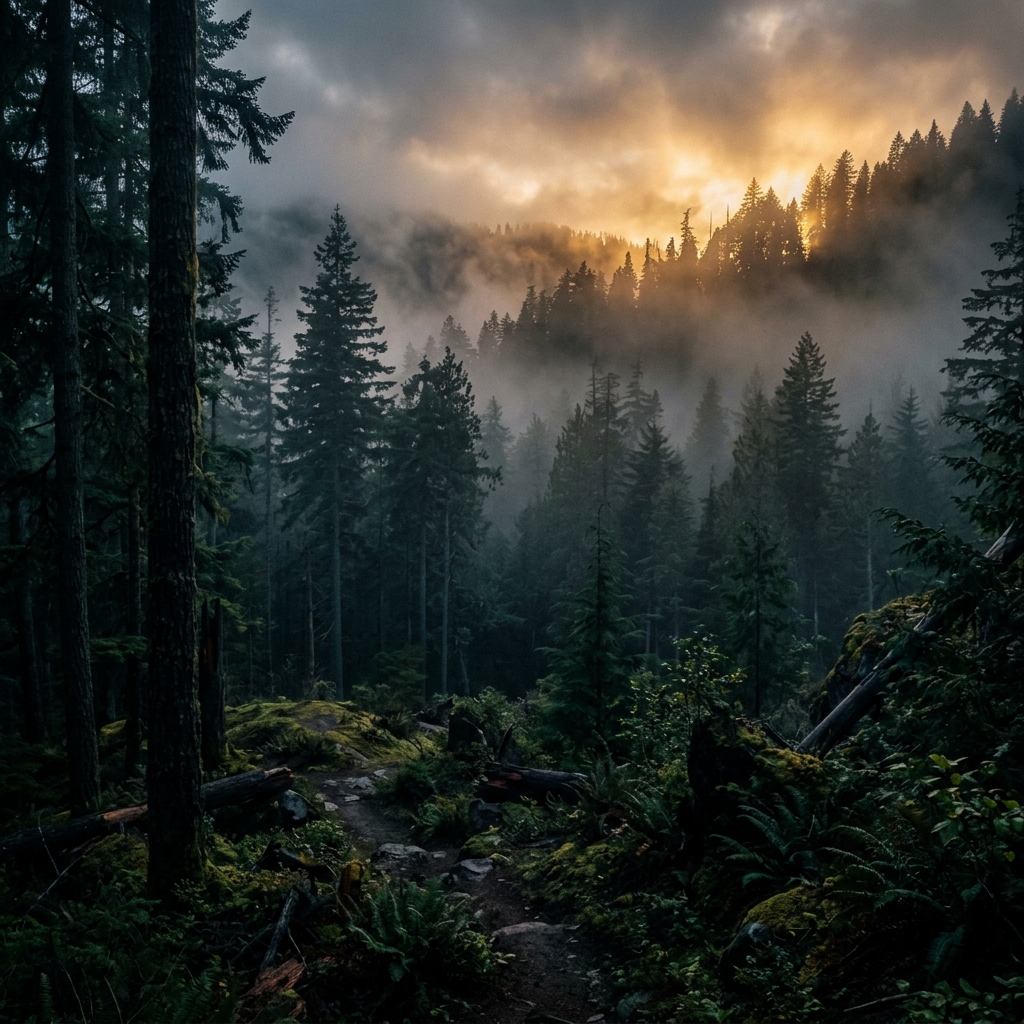
Wolves and Roads: The Invisible Border
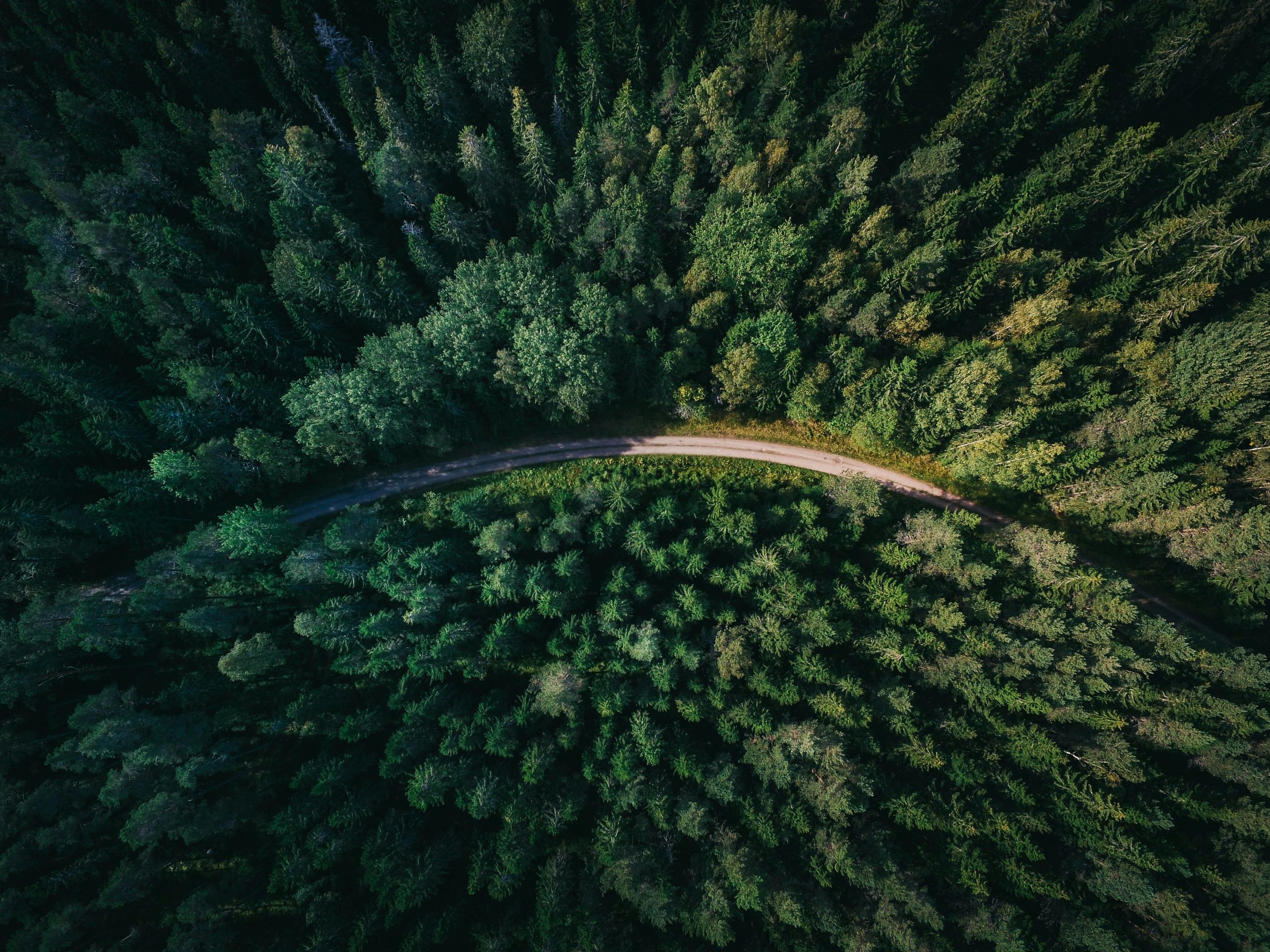
How roads fragment territory, affect dispersal, and shape conflict risk—and what wildlife crossings actually solve
A road is not just pavement. For wolves, it can be a boundary that moves—a line that changes with traffic speed, time of day, snow, visibility, and human activity. Some packs live with roads inside their territories. Some wolves avoid them almost completely. Some disperse across them—and some die trying.
This is the “invisible border” problem: roads don’t only create collisions. They reshape how wolves move, learn, hunt, and disperse, and they often determine where wolves can persist long-term.
1) Two kinds of road impacts: the obvious one and the quiet one
The obvious impact: direct mortality
Vehicle strikes can kill wolves outright—especially dispersers, juveniles, and wolves moving during low-light hours. Road mortality is also a “silent filter”: it removes individuals that try to cross more often or cross in riskier places.
The quiet impact: fragmentation and barrier effects
Even when wolves aren’t dying on roads, roads can still:
- break landscapes into smaller “usable” patches
- reduce gene flow (fewer successful dispersals)
- concentrate movement into narrow corridors (which can increase conflict risk near people)
- shift territories away from otherwise good habitat simply because of traffic
In other words: you can have few visible collisions and still have major ecological disruption.
2) Wolves don’t respond to “roads” as one thing
Not all roads are equal. Wolves may cross some roads often and avoid others almost completely.
What changes the equation:
- traffic volume (a low-traffic road at night is not the same as a busy highway)
- speed limits and visibility
- road width, median barriers, fencing
- human presence (pullouts, trailheads, settlements)
- time of day and season (commuter peaks vs nocturnal movement)
This is why roads become “invisible borders”: the border isn’t fixed—it pulses with human activity.
3) Dispersal is where roads matter most
A dispersing wolf is doing one of the most dangerous things in its life: leaving known territory to find a new one. It’s also the moment when wolves are most likely to:
- cross multiple roads in short periods
- travel through unfamiliar habitat
- move near human infrastructure
- take risks they wouldn’t take inside a stable territory
That’s why roads shape populations even when packs look “stable” on a map. A landscape can support packs, but if dispersers can’t safely move between them, you get islands—and islands don’t stay healthy forever.
4) Roads can increase conflict risk without increasing wolf numbers
This is the part that surprises people.
When roads fragment habitat and funnel movement, wolves may be pushed into:
- narrower forest strips
- river corridors
- edge habitats near farms
- predictable crossing points near communities
That doesn’t automatically mean wolves “prefer humans.” It often means wolves are navigating constraints and taking the least bad route.
And when wolves are forced into edges, conflict stories tend to rise:
- more sightings near roads
- more “wolves are everywhere” perceptions
- more chances for dogs and wolves to interact
- more livestock adjacency
So roads can change the story communities experience—even if wolf numbers haven’t changed much.
5) Regional lens: why the road problem looks different around the world
A) North America: long highways, big distances
In many parts of North America, dispersal can mean traveling hundreds of kilometers. Major highways become repeated barriers—especially where fencing exists without safe crossing options, or where habitat on either side is heavily altered.
What that can produce: fewer successful long-distance dispersals, and more “pinched” movement where crossings exist.
B) Europe: dense road networks, wolves in human landscapes
Europe often has higher road density and more patchwork landscapes. Wolves can persist here—but success depends on:
- connectivity between habitat patches
- permeability of roads
- and social tolerance (because wolves are frequently closer to people)
What that can produce: wolves living closer to human activity, with conflict levels heavily shaped by prevention and local practice—not just “wolf presence.”
C) Iberia: coexistence inside a working landscape
Iberia is a case study in wolves navigating rural roads, villages, and managed lands. Roads aren’t “outside wolf habitat”—they’re inside it.
What that can produce: strong selection for caution, secrecy, and timing. The “border” becomes especially time-based: when people are active vs when they are not.
D) Far north / boreal regions: fewer people, but speed and season matter
In boreal regions (like parts of Finland and Scandinavia), roads may be fewer, but:
- high speeds
- long winter darkness
- seasonal prey movement
can make crossings risky in different ways.
What that can produce: collision risk spikes in certain seasons and times—another reminder that road danger is not constant.
6) What wildlife crossings actually solve (and what they don’t)
Wildlife crossings—overpasses (“green bridges”) and underpasses—are one of the most practical tools we have. But they’re not magic. They solve specific problems:
They solve:
- Barrier effects: letting wolves and other wildlife cross safely rather than treating a highway as a hard wall
- Collision reduction (when paired with fencing): guiding animals toward safe crossing points instead of random road-level crossings
- Connectivity: allowing dispersal and gene flow that keeps populations healthier over time
They do not solve:
- Everything about conflict (crossings don’t automatically reduce livestock depredation)
- Habitat loss on either side of the road
- Human behavior issues (feeding wildlife, unsecured attractants, off-leash dogs)
- Poor placement (a crossing in the wrong location is just expensive scenery)
The key point: crossings work best as part of a system—fencing + habitat connectivity + placement based on real movement corridors.
7) The “myth” and the “reality” of roads and wolves
Myth: “If wolves are near roads, they’re habituated.”
Reality: A wolf near a road may be crossing a corridor it has no choice but to cross—especially during dispersal.
Myth: “Crossings are just for cute animals.”
Reality: Crossings are infrastructure for population health: safer movement, lower mortality, and long-term connectivity.
Myth: “Roadkill is the only road problem.”
Reality: Fragmentation can be just as powerful—even when you rarely see a dead animal.
8) What you can do (without being an engineer)
If you’re a supporter or citizen:
- Advocate for crossings + fencing as a package, not one without the other.
- Ask transportation agencies to prioritize known movement corridors, not just “available land.”
- Support monitoring—crossings get better when they’re studied and improved.
If you’re a hiker / recreationist:
- Keep dogs controlled near road corridors in wolf country.
- Don’t interpret every roadside sighting as “wolves are getting bold.” Ask: what corridor is this?
If you’re in policy / planning:
- Treat connectivity as a measurable outcome: dispersal success, genetic flow, collision reduction.
- Plan for the future road network, not just today’s.
One-minute takeaway
Roads don’t just cut through habitat. They shape who survives, who disperses, and where wolves can exist without constant conflict. Wildlife crossings aren’t a feel-good add-on—they’re one of the few tools that directly restore what roads remove: safe movement.
If you want landscapes that function, we have to design for the species moving through them—quietly, mostly unseen, but constantly.
Filed under
Stay in the pack