
Wolves and Sound
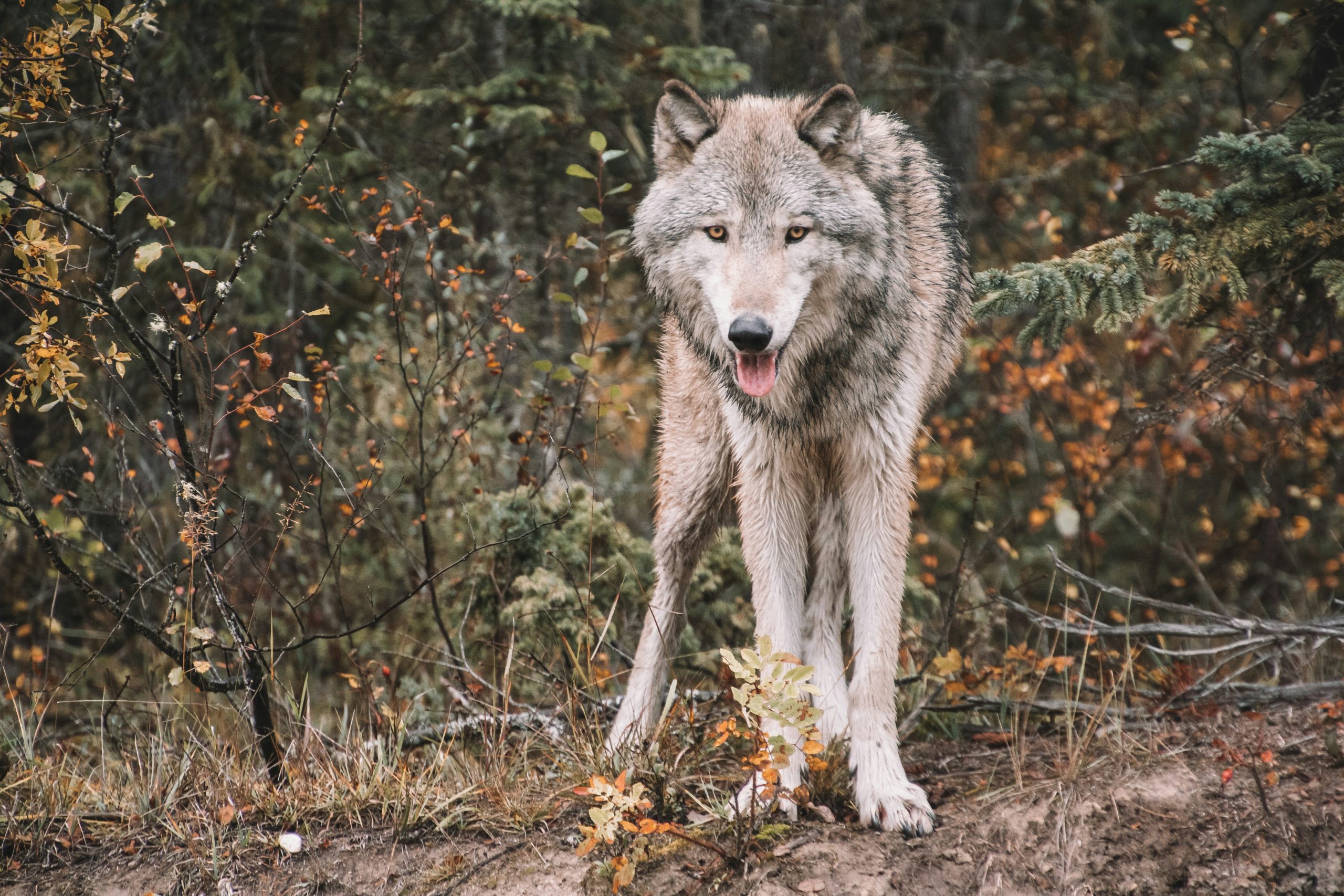
Photo by Brianna R. on Unsplash
How howling works (and what it doesn’t mean)
A wolf howl is one of the most powerful sounds in nature. It can feel ancient—like a warning, a challenge, or a claim on the landscape.
That emotional reaction is understandable. But it’s also where myths grow.
Because in wolf country, people often hear a howl and jump to one conclusion: aggression.
In reality, wolf howling is usually closer to communication than confrontation—more like a family check-in, a long-distance location pin, or a “we’re here” signal that helps wolves avoid conflict as much as it helps them coordinate.
This post explains what howling does, why wolves use it, how it can vary by landscape, and how to talk about it without feeding fear.
1) The big idea: howling is information, not a mood
Most wolf communication isn’t dramatic. It’s practical.
Howls are designed to move through distance—forests, valleys, snowfields, and darkness—when visibility is poor and separation happens naturally.
Think of howling as a multi-purpose tool:
- Where are you?
- Where is everyone else?
- This territory is occupied.
- We’re regrouping.
- We’re holding space.
Sometimes that overlaps with conflict (because territories are real). But the howl itself is often a way to prevent direct contact.
2) Why wolves howl
A) Family coordination
Wolves live in social groups. Packs spread out to hunt, patrol, or move through a territory. Howling helps members:
- locate each other
- regroup after separation
- coordinate movement without constant visual contact
This is especially relevant in:
- dense forests
- long winter nights
- rugged terrain where wolves can’t see each other
B) Territory advertisement
Howling can function like a signpost: “this area is used.” That signal can reduce unwanted encounters with neighboring packs by establishing presence at a distance.
In many cases, the goal isn’t to start a fight. It’s to avoid one by making boundaries clear.
C) Social bonding
Howling can be reinforcing within a pack—think of it as social glue. Wolves may howl together, creating a chorus that strengthens group cohesion.
If you’ve ever heard a chorus swell and shift, you’re hearing a living family system checking in.
D) Response to stimuli
Wolves may howl in response to:
- sirens
- human voices
- other wolves
- unfamiliar sounds in their territory
That doesn’t necessarily mean they’re “challenging” humans. It may simply mean the sound triggered a communication response.
3) What a howl can tell you (and what it can’t)
A howl can sometimes suggest:
- wolves are present in the broader area
- multiple wolves are together (a chorus)
- activity is happening during low-light hours (when wolves often move)
A howl cannot reliably tell you:
- how many wolves there are (choruses can make a few wolves sound like many)
- whether they are hunting
- whether they are “coming for you”
- whether they are aggressive toward humans
This is an important correction because howls are emotionally powerful. The human brain is wired to treat unfamiliar night sounds as threat cues.
But wolves aren’t performing for our fear reflex.
4) Myth-busting: “Howling means aggression”
Myth: Wolves howl because they’re angry or about to attack
Reality: howling is commonly used for coordination, territory advertisement, and social bonding. It’s often a distance-maintaining tool.
If wolves wanted a close confrontation, they wouldn’t need to announce themselves from far away.
Myth: If wolves howl near your home, they’re targeting you
Reality: they may be traveling through a corridor, advertising territory, responding to another pack, or reacting to a stimulus (sirens, dogs, etc.). Presence doesn’t automatically equal threat.
Myth: Hearing a chorus means a huge pack is surrounding you
Reality: chorusing and echo effects can create the impression of more wolves. Wolves can also “stack” voices in ways that are hard for human ears to count accurately.
The point isn’t “don’t take it seriously.” The point is: don’t turn it into a story it doesn’t support.
5) Regional differences: how landscape changes what you hear
Wolves are adaptable—and sound travels differently depending on terrain and climate.
A) Boreal forests (Finland/Scandinavia)
Dense forests and long winter darkness make long-distance sound communication useful. Howls can carry through conifers and across frozen landscapes, especially in calm winter air.
B) Mountain regions (Alps, Rockies, Carpathians)
Valleys and slopes can amplify or “throw” sound. A howl might seem closer (or farther) than it is, depending on wind and terrain. Echo can make a small number of wolves sound like many.
C) Open landscapes (tundra, steppe, high plains)
In open areas, sound can travel far with fewer obstacles—meaning you may hear wolves at distances that surprise you.
D) Humanized landscapes (Iberia and other mixed-use regions)
Wolves living close to people often become more nocturnal and discreet. That doesn’t mean they don’t howl—but it can change when and where you’re likely to hear them.
The key global truth: what you hear isn’t only about wolves. It’s about acoustics.
6) When should you be concerned?
Hearing howls is not automatically a problem.
But there are contexts where you should shift into “responsible caution,” especially if you’re in wolf country:
- Keep dogs controlled (dogs can change the equation fast)
- Do not approach howling locations to “find wolves”
- Secure attractants (food waste, carcasses, outdoor feeding)
- If wolves are repeatedly close, visible, and unafraid around people, that may indicate habituation or food-conditioning—report to local wildlife authorities.
Most wolf safety guidance is about preventing habituation and reducing attractants, not about fearing howls.
7) What you can do today
If you want to replace fear-stories with real understanding, try this:
- When you hear a howl, say: “That’s communication. Not a mood.”
- If someone claims “wolves are hunting people,” ask: “What’s the evidence?”
- Share one accurate line: “Howls often help wolves avoid conflict by communicating from a distance.”
- If you recreate in wolf country: leash dogs, keep food secure, don’t approach wildlife.
Wonder is allowed. Fear-myths are optional.
The takeaway
Howling is one of the reasons wolves feel mythical. But the biology underneath the myth is practical and grounded: wolves use sound to coordinate family life and manage space.
If we learn to hear wolf howls as information rather than aggression, we don’t lose the magic.
We gain something better: understanding that makes coexistence easier.
Filed under
Stay in the pack