
Wolves & Fish (Yes, Sometimes)
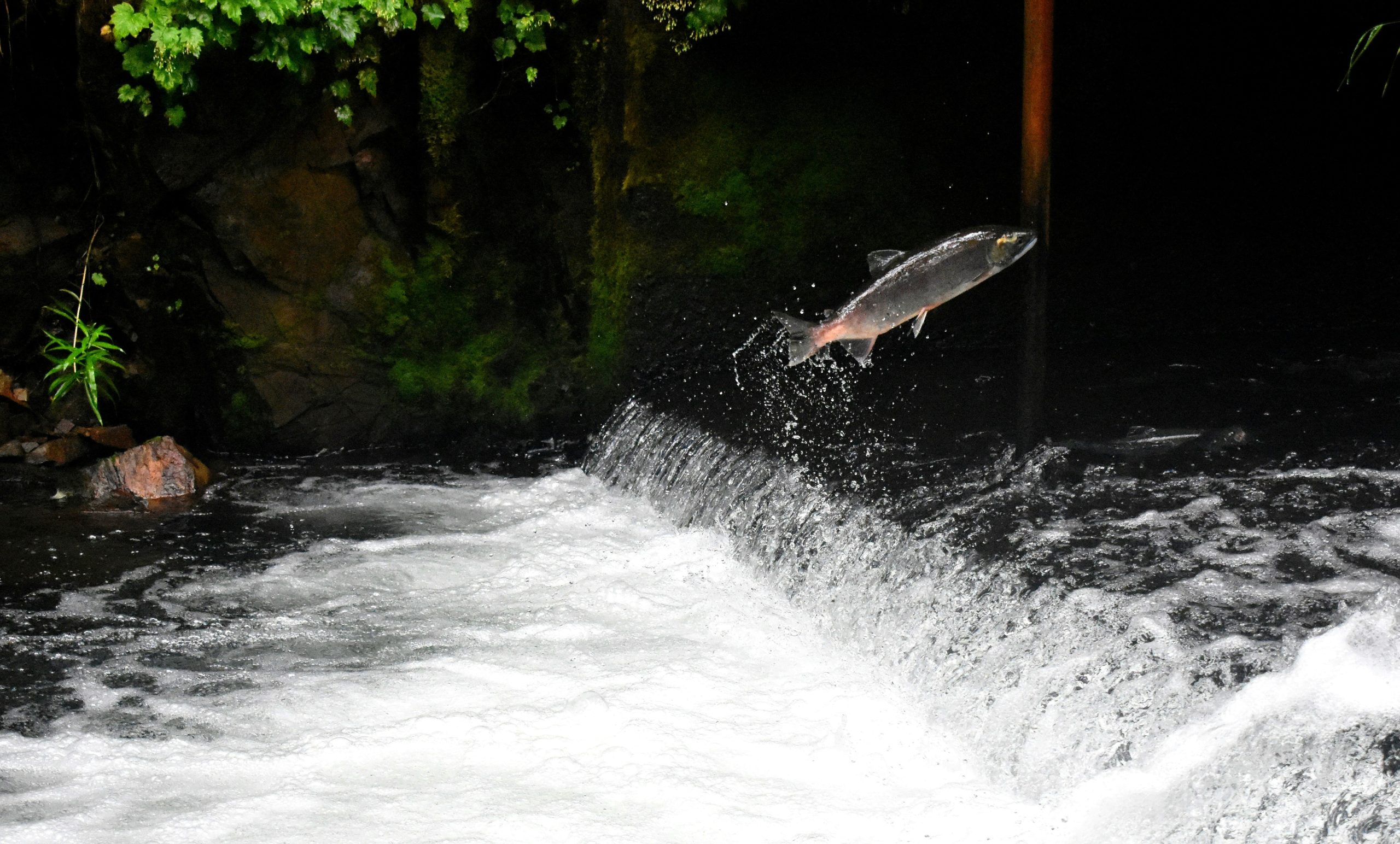
Photo by Drew Farwell on Unsplash
Salmon runs, coastal resources, and what “diet myths” get wrong about wolves
Most people think they know what wolves eat: deer, elk, moose. End of story.
That story is often true. But it’s also incomplete.
In some regions, especially along the Pacific coast, wolves are documented eating salmon and other marine or coastal foods during certain seasons. That doesn’t turn wolves into “sea wolves” everywhere, and it doesn’t mean wolves have stopped being wolves. It means something more interesting:
Wolves are flexible. Their diet is shaped by opportunity, geography, and season.
This post walks through where wolves eat fish, why it happens, what it tells us about adaptability, and how to avoid oversimplified diet myths that fuel conflict narratives.
1) The big idea: wolf diet is a pattern, not a slogan
Wolves are best understood as:
- opportunistic, seasonal foragers, and
- adaptive hunters whose choices reflect what’s available and “worth it” energetically.
That’s why the same species can look like:
- ungulate specialists in interior forests, and
- salmon opportunists on coastal systems during runs.
The myth isn’t “wolves only eat deer.”
The myth is: wolves eat the same thing everywhere, all the time.
2) Where wolves eat fish: the coastal Pacific story
A) Southeast Alaska and the Alexander Archipelago region
This is one of the clearest, best-studied contexts for “wolves and salmon.” A long-standing research line used approaches like stable isotope analysis to detect salmon’s contribution to wolf diet in the region, especially when salmon become seasonally available.
Alaska Department of Fish & Game has also summarized diet findings showing salmon can be a meaningful portion of diet in coastal Southeast Alaska wolves compared to interior populations (with percentages varying by place and season).
B) Coastal British Columbia (including rainforest coastlines)
Peer-reviewed research on coastal BC wolves describes seasonal use of salmon streams and evidence of salmon consumption, including work that examines how salmon availability can shift wolf-foraging patterns seasonally.
The key detail: salmon use is often seasonal, tied to spawning runs, more like a strategic “bonus resource” than a year-round base diet.
C) “Coastal wolves” aren’t one thing
Even within coastal systems, wolves vary. Some packs rely more heavily on terrestrial prey; others incorporate more marine-linked food. It depends on:
- salmon availability and timing
- stream access
- human disturbance
- competition (bears, scavengers)
- and how safe it is to forage at the water’s edge
In other words, “wolves eat fish” is not a universal trait. It’s a local solution.
3) Why salmon is a big deal: it changes the energy map
Salmon runs are an ecological pulse, a dense, seasonal food event that draws bears, eagles, and scavengers.
For wolves, salmon can:
- reduce the need to pursue large ungulates temporarily
- change movement patterns toward salmon streams
- create a seasonal “habitat shift” (wolves spending more time near riparian corridors)
Research in coastal BC has described how spawning salmon can disrupt the usual coupling between wolves and ungulate prey, because wolves can switch to salmon when it’s available.
This is an important coexistence point: diet shifts can be seasonal and opportunistic, not permanent.
4) What else do wolves eat in coastal systems?
Salmon is the headline because it’s dramatic and well-studied. But some coastal wolves may also use:
- beach carrion (seasonal carcasses)
- intertidal resources (opportunistically)
- other marine-linked prey (regionally and variably)
It’s crucial not to turn this into another myth (“wolves live on seals!”). The responsible takeaway is: wolves can be surprisingly versatile where geography allows it.
A recent report highlighted documented wolf behavior involving retrieving baited crab traps in coastal BC, an example of learned, opportunistic foraging in marine-adjacent contexts (one location, not “all wolves”).
5) Myth-busting: why “diet myths” oversimplify (and how that fuels conflict)
Myth 1: “Wolves only eat big game.”
Reality: In many places, yes, ungulates dominate. But wolves can incorporate salmon and other foods where seasonally abundant.
Myth 2: “If wolves eat fish, they’ll stop hunting livestock.”
Reality: Not guaranteed. Conflict is driven by opportunity and husbandry, not just what’s on the menu. A seasonal salmon pulse doesn’t replace the need for prevention tools.
Myth 3: “A single observation proves a universal rule.”
Reality: Wolf ecology is local. One pack’s behavior doesn’t define the species.
Oversimplified diet stories become policy arguments. Better is to keep the story local and seasonal.
6) What salmon-eating wolves teach us about adaptability
Wolves are often discussed as symbols, monster or spirit animal. Diet flexibility is one of the best antidotes to both stereotypes:
- Wolves are not robotic killers locked into one prey type.
- Wolves are not mystical beings disconnected from ecology.
- Wolves respond to landscape opportunity, like any other intelligent predator.
That’s not romance. That’s biology.
7) What you can do today
✅ Don’t share wolf diet claims without region and season.
Try: “In some coastal regions, wolves have been documented eating salmon during runs.”
✅ If you live near salmon streams, protect the corridor.
Salmon habitat restoration supports whole food webs. Wolves benefiting from salmon is part of a bigger ecological story.
✅ Keep conflict prevention practical.
Even if wild food is abundant, prevention still matters for livestock and pet safety. Coexistence succeeds through consistent, local tools, not slogans.
✅ Use “local ecology” language.
It calms the debate. It replaces fear-stories with reality.
The takeaway
Yes, wolves sometimes eat fish.
Not everywhere. Not always. But in the right places and seasons, salmon runs become part of the wolf story. That doesn’t change what wolves are. It reveals what wolves have always been:
Adaptive, seasonal, landscape-shaped predators living inside real ecosystems, not myths.
Filed under
Stay in the pack