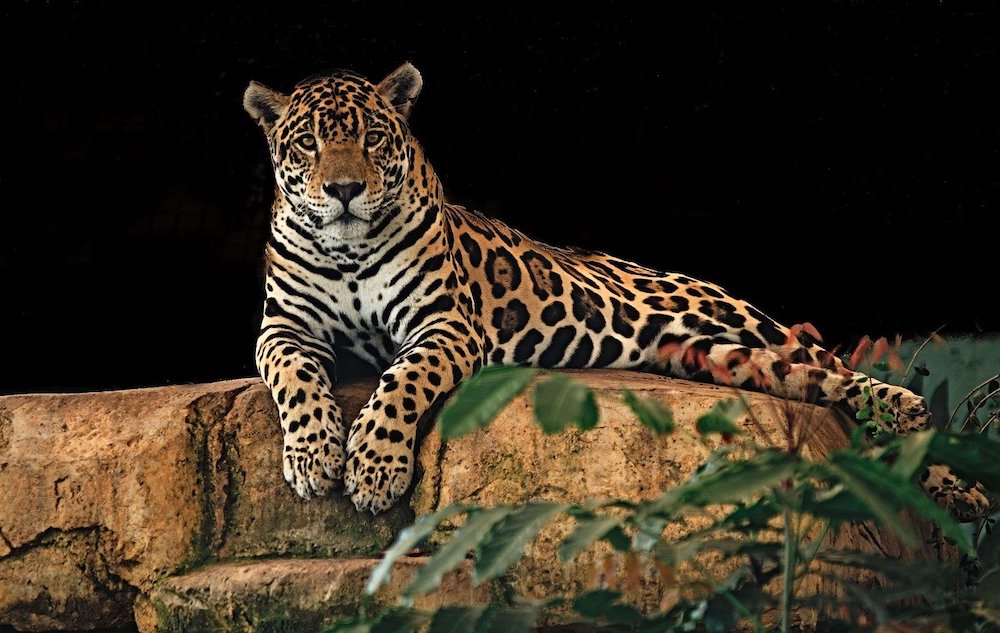
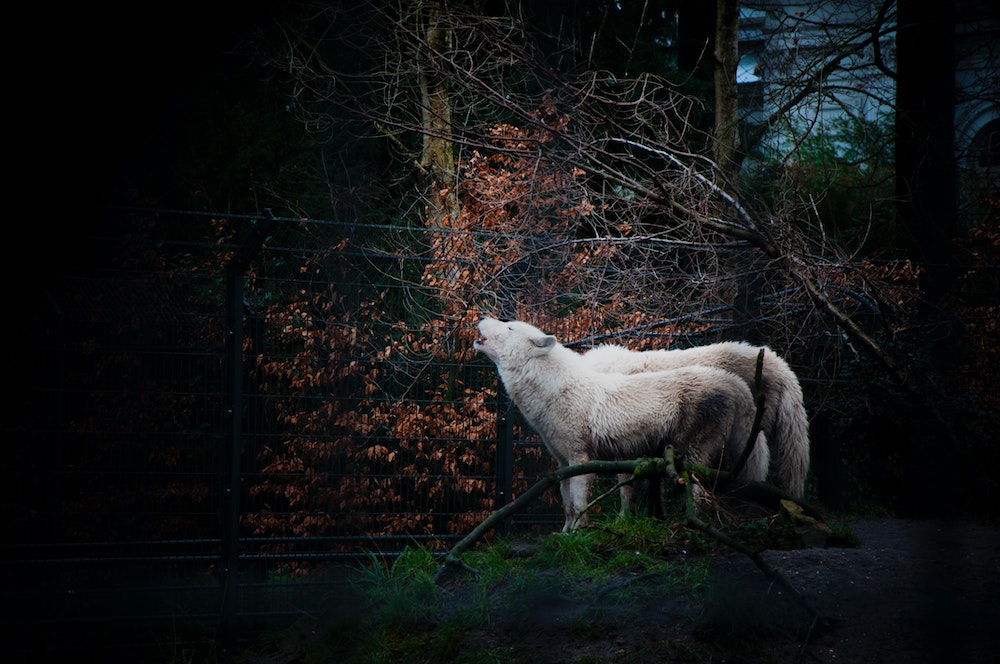
This carnivore is one of the largest cats in the world. They come in third place, right behind the tiger and lion. Within the United States, they take…
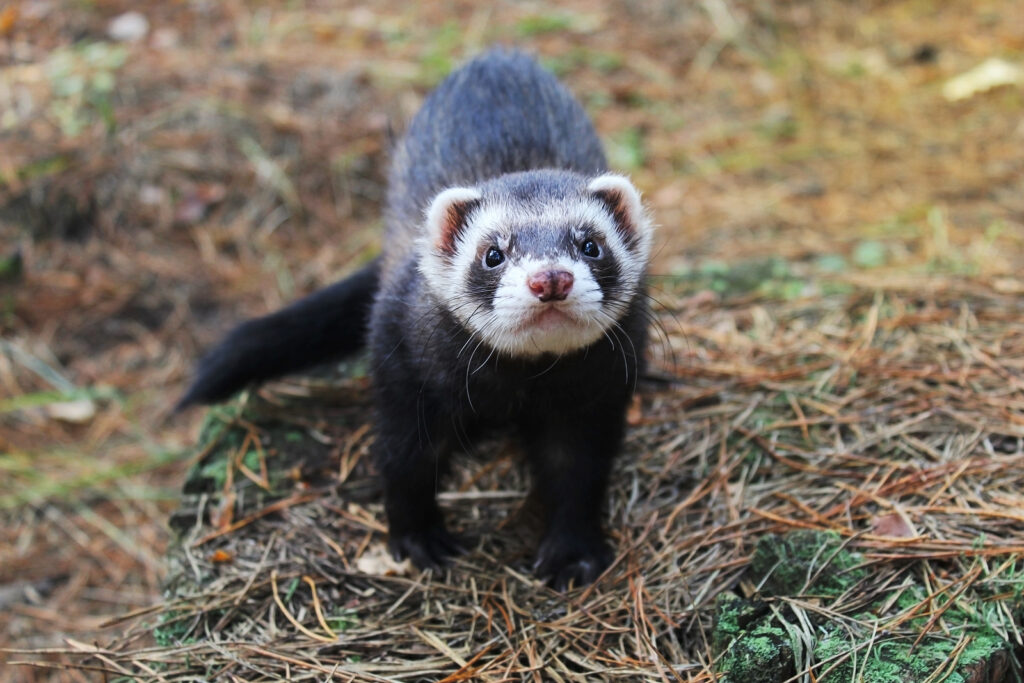
Black-footed Ferrets are nocturnal and fossorial (living underground) members of the Mustelidae family. They are easily recognized by their black feet, black-tipped tails, and black masks on the…
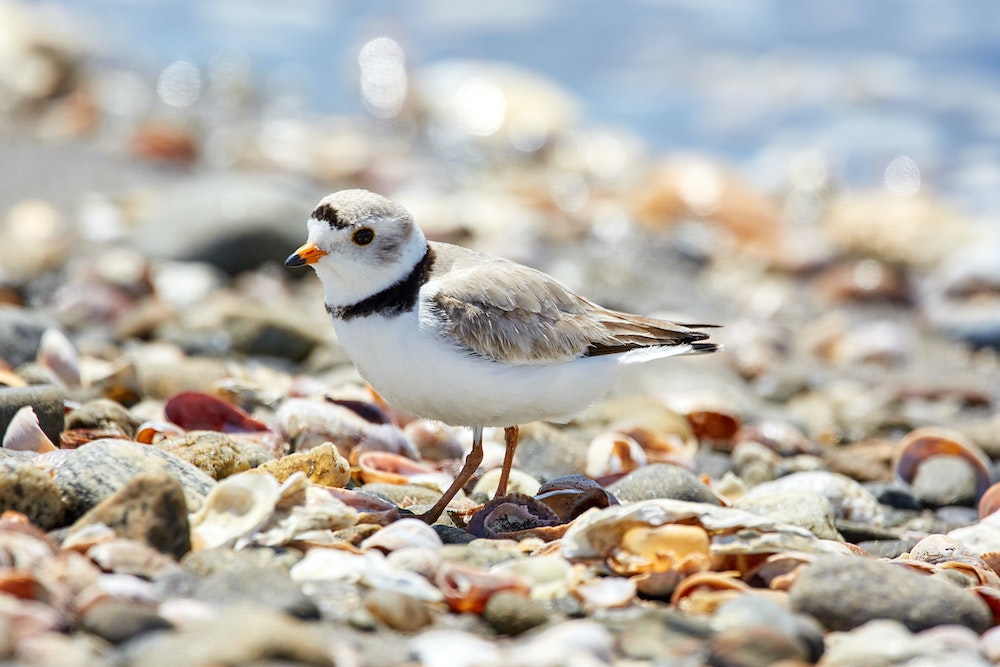
Piping Plovers are shorebirds that have struggled to increase their numbers due to a variety of threats to their habitat. Originally, they were almost hunted to extinction until…
Wildlife Telemetry is when scientists place devices on wild animals to track their movements and behaviors. The information gathered from doing this helps us get a better understanding…
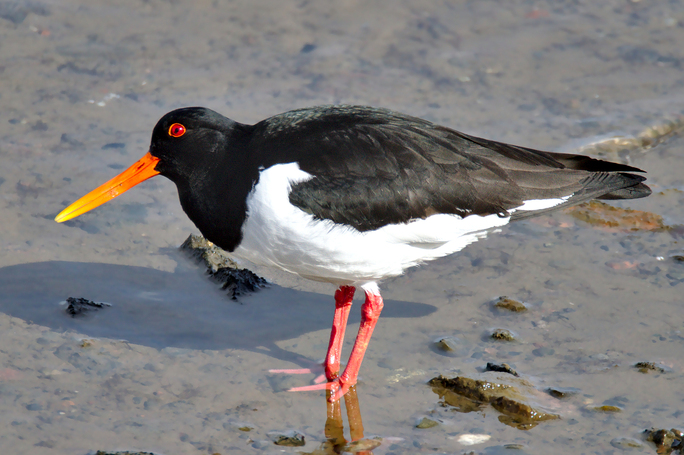
Coastal wetlands are important habitats for many bird species. Additionally, these marshes filter sediment from waterways and absorb floodwaters, both of which are major benefits to humans living…
It’s the balance between wildlife and the resources their habitats provide. It is defined as, “the average population density...of a species below which its numbers tend to increase…
When talking about recovery actions for species and conservation efforts, you’ve probably heard the term nonessential experimental population thrown around. What does that mean? And more importantly, what…
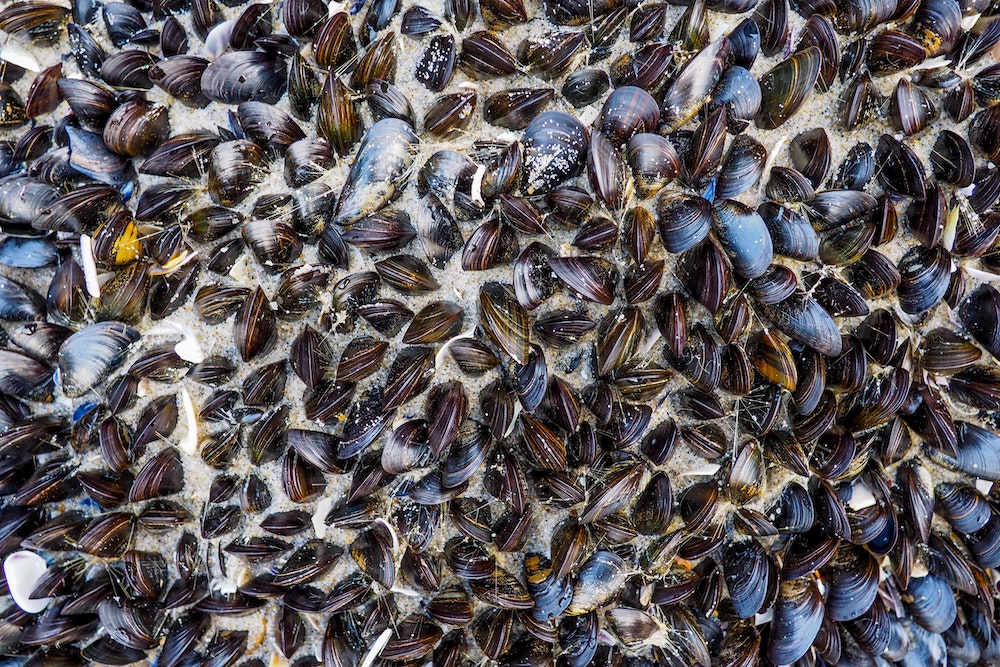
Mussels are very important invertebrates that provide tremendous benefits to their environments. However, many of them face threats and are protected by the Endangered Species Act. Mussels are…
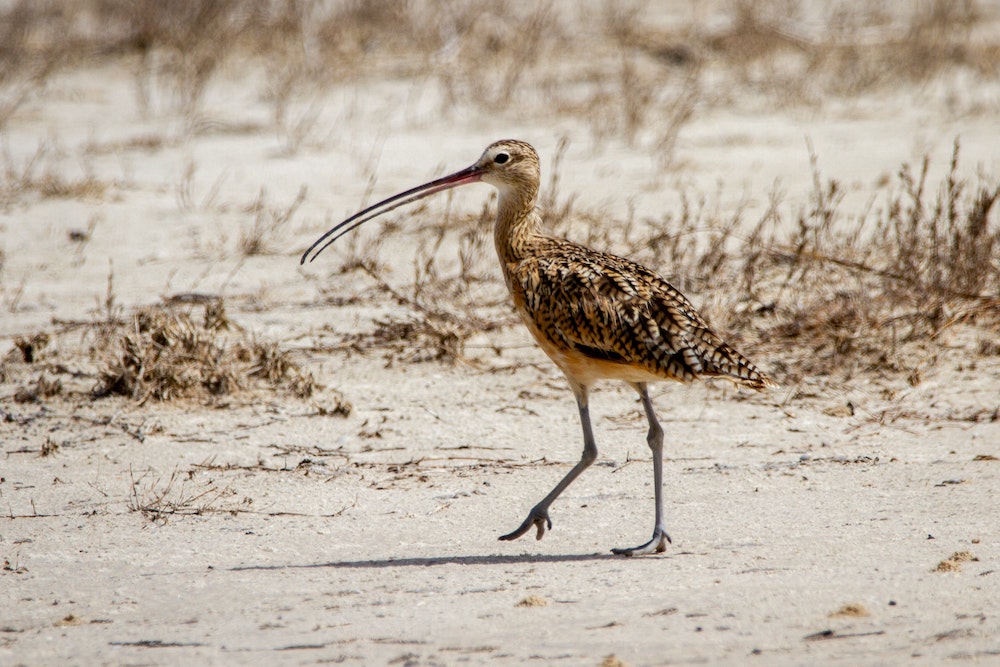
Long-Billed Curlews are the largest members of the sandpiper family and are rare birds. A lot of their ideal breeding habitat has been lost and although they were…
•Chris Anderson
Make a difference
Every gift protects wild carnivores.
94¢ of every dollar reaches the field — tracking collars, research grants, educator visits and the C3 journal. Your support keeps the work alive.