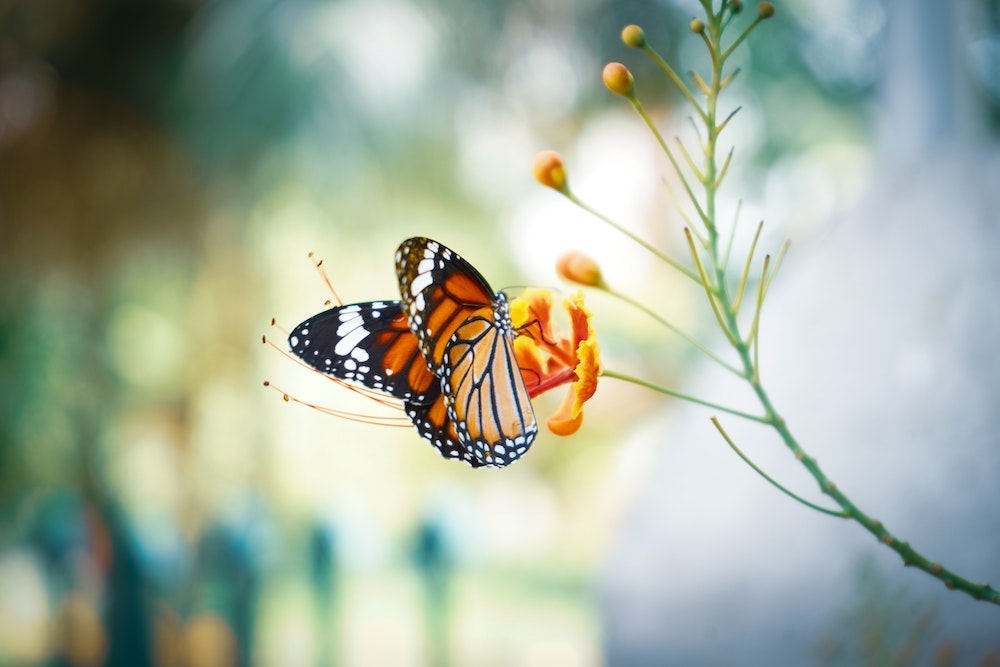
In a few weeks, it will be the start of the monarch butterfly’s migration.1 Millions of monarch butterflies make a 3,000-mile journey to Mexico – this migration takes…
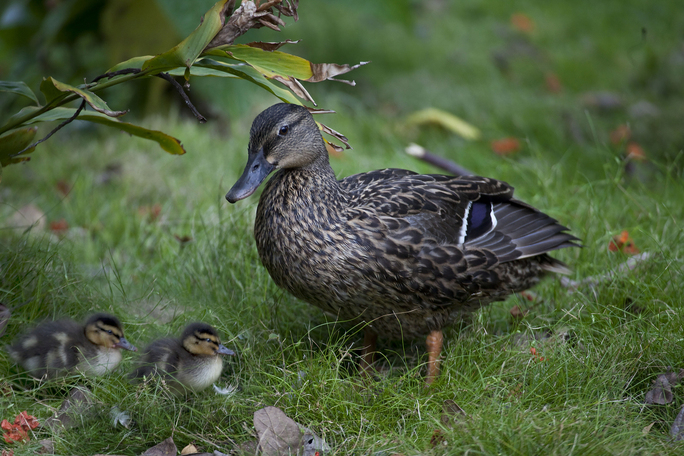
As we have covered in previous editions of Canines Assisting Conservation, the Hawaiian Islands’ paradise of biodiversity is under attack from multiple threats. The native waterfowl of the…
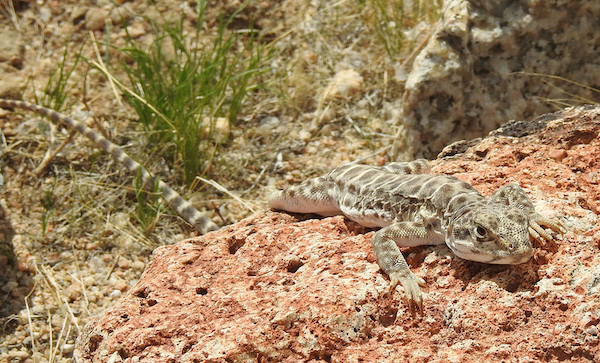
A large lizard species hangs on for survival among the often-sizzling desert and shrublands in San Joaquin Valley of California. In addition to the usual threats of expanding…
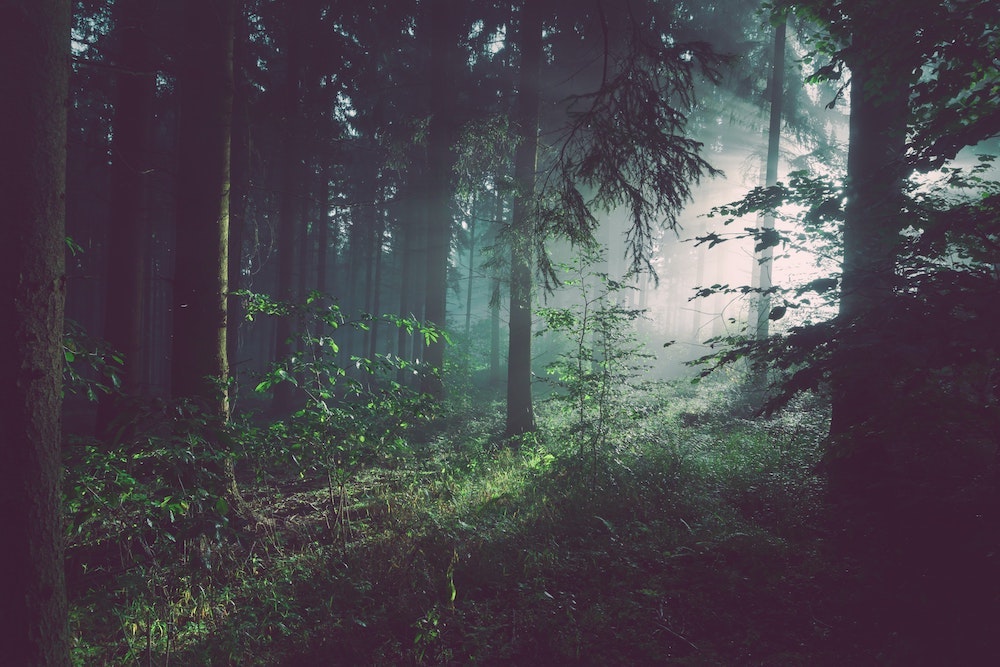
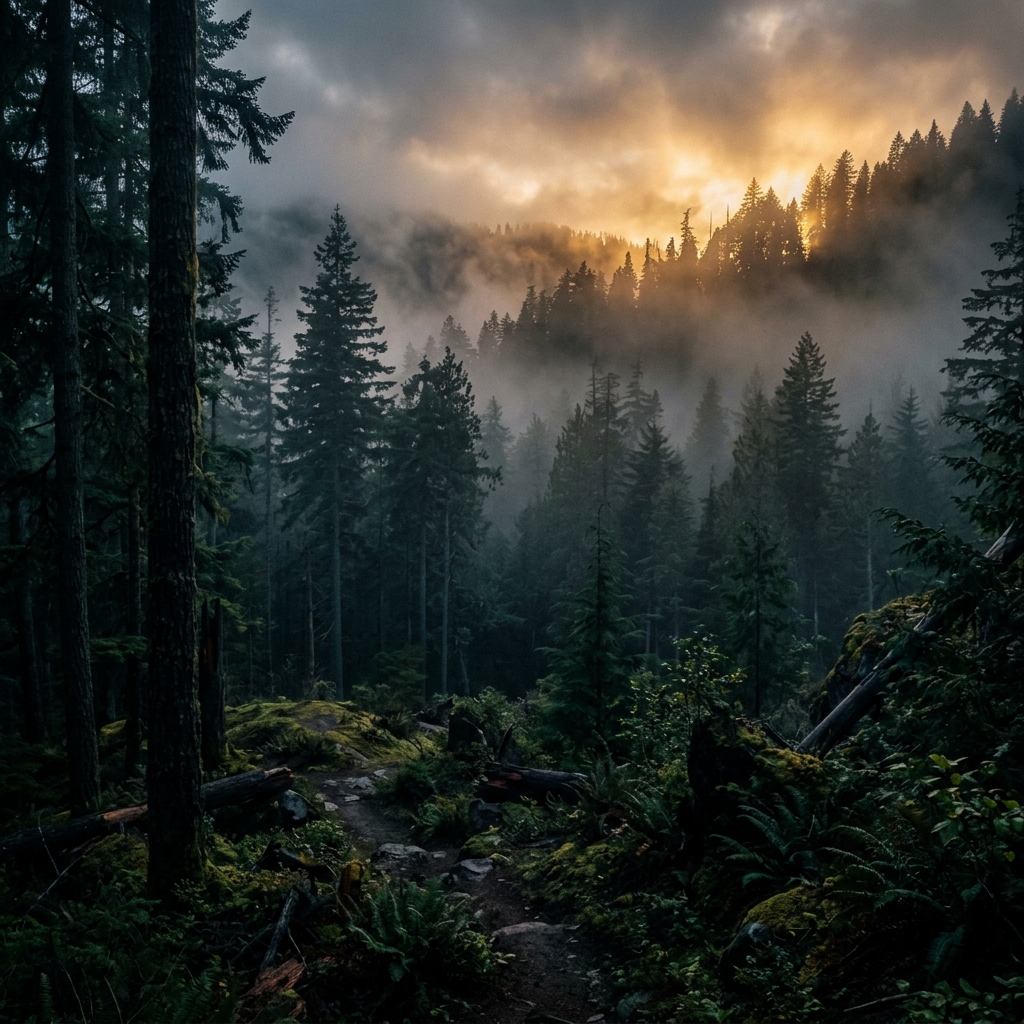
Forests are incredibly important for the planet. Many of them get destroyed due to agricultural use, land development, and forest fires. To help maintain forests and bring them…
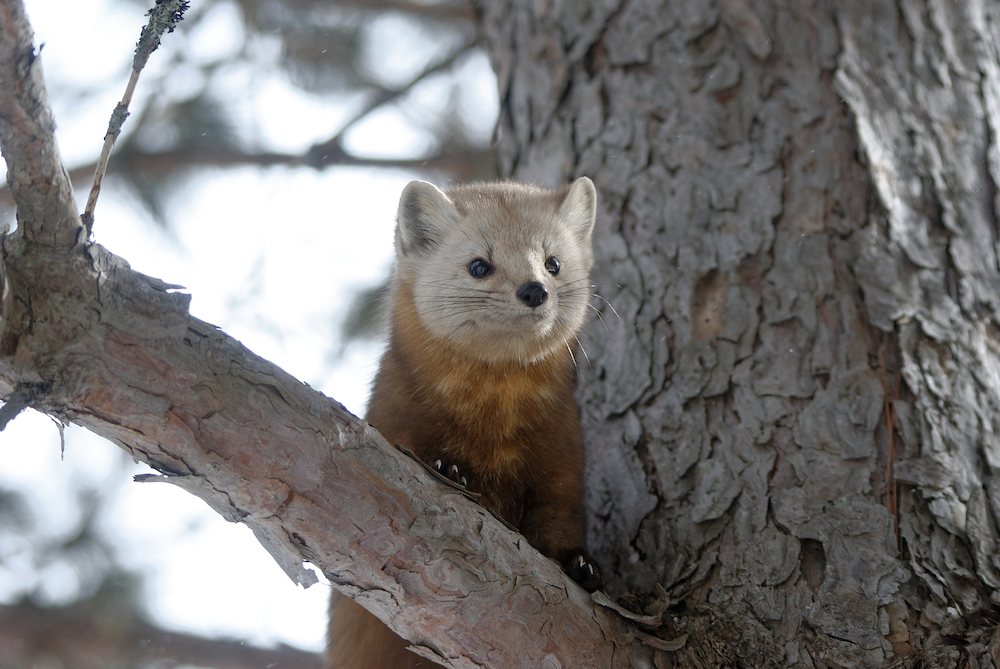
American martens are found in places like Newfoundland, Alaska, California, New York, Minnesota, and Maine. They particularly like to live in mature forests. These forests provide the perfect…
The Frozen Zoo was mentioned in our email on maintaining genetic diversity, which you can read here if you missed it. However, the work at the Frozen Zoo goes…
One sea turtle species, the Kemp’s ridley sea turtle (Lepidochelys kempii) has experienced a massive decline in population since the 1940s and efforts are now underway to preserve…
Modern science now incorporates canines into many different facets of conservation. From searching for subterranean water pollution to guarding threatened penguin colonies, dogs now have a paw in…
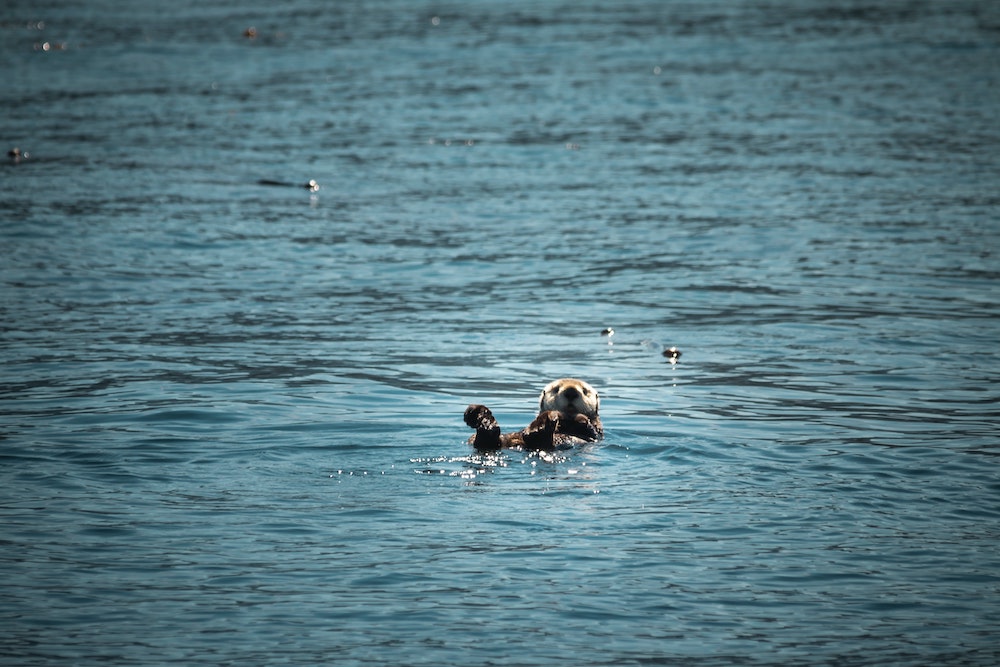
Otters are found everywhere except for Australia and Antarctica.1 They are part of the Mustelidae family and are the only members of the family that are serious swimmers.…
•Chris Anderson
Make a difference
Every gift protects wild carnivores.
94¢ of every dollar reaches the field — tracking collars, research grants, educator visits and the C3 journal. Your support keeps the work alive.