
New Technology Helps Reduce Bycatch
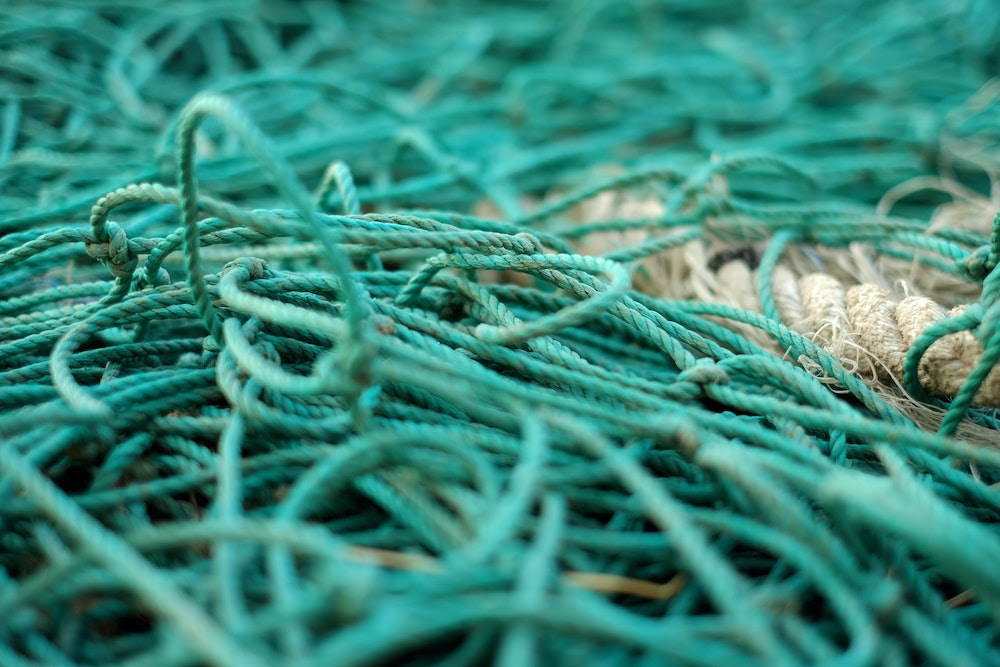
We’ve spoken before about aquatic species that are often affected by fishing activities because they’re caught up in nets when they’re not the species fishermen want to catch. Many animals, like turtles or sharks, get tangled up in nets and are injured or killed. This can really impact animal populations that are already suffering.
However, technology can provide some incredible solutions to help conservation efforts for wildlife.
A study done by researchers from Arizona State University, the Wildlife Conservation Society, the National Fisheries and Aquaculture Institute of Mexico, and NOAA Fisheries found that putting lights on gillnets drastically reduced bycatch.1
In fact, it produced a reduction of 95% of sharks, skates, and rays caught, 81% of Humboldt squid caught, and 48% of unwanted finfish caught – while keeping up the numbers of the target fish the fishermen wanted to catch.1
This new technology also saved fishermen time because they no longer had to spend time untangling unwanted animals from their nets. You can read more about the study and the results they found here.
It’s incredible what modern technology allows us to do when it comes to helping animals. Solutions are out there to help our wildlife, we just have to find them.
We’re here to help spread awareness about our wildlife – like wolves, who have been listed under the Endangered Species Act since 1973. Currently, there are only about 5,500 wolves left.
To help them and other native wildlife that need us, we need supporters like you to help. We can’t do this without you. There are only a few days left of our August 2X match – where your donation can go twice as far.
So don’t delay. Double your impact and donate today. Click here
Stay in the pack