
Wolves Without Passports
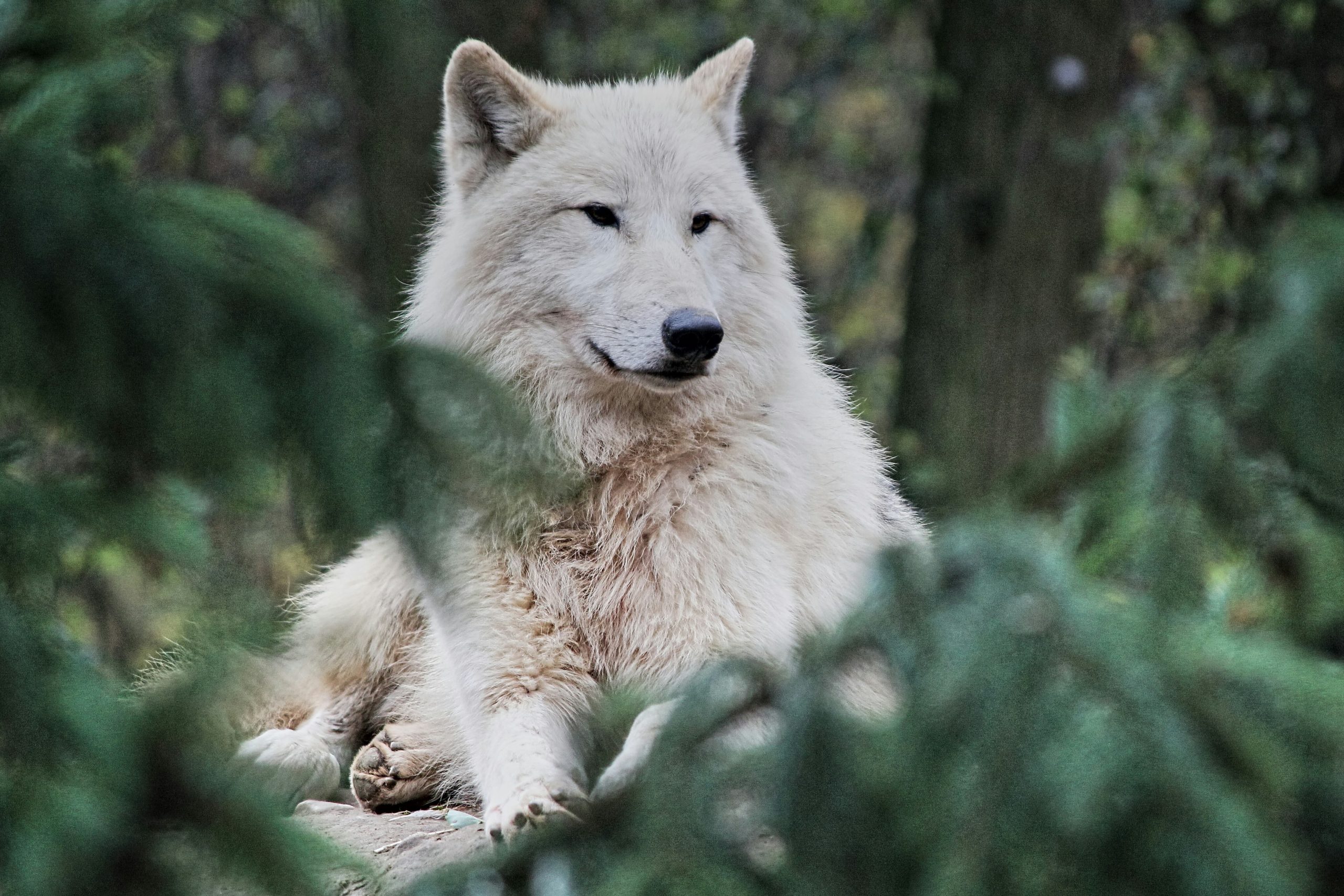
Photo by Dušan veverkolog on Unsplash
How the same wolf story changes across borders, with Finland–Russia as the anchor and two non-EU comparisons
National borders feel absolute to humans. For wolves, they’re mostly invisible.
That simple fact creates some of Europe’s most persistent “transboundary accidents”: not usually a single spectacular event, but repeated mismatches between wildlife movement and human governance. Wolves cross. Policies don’t. Perceptions differ. Data sharing may be limited. And the result can be sudden spikes in conflict, uncertainty, and political pressure.
This post uses Finland–Russia as the anchor case, then adds two non-EU comparisons showing how the “wolf culture” around the same species shifts depending on the countries involved: Norway and Mongolia.
The goal here is not to judge any country’s culture or management. It’s to show a reality that coexistence work has to face honestly:
a transboundary animal ends up living inside multiple human stories at once.
1) The core problem: one animal, multiple systems
Across borders, wolves move between places with different:
- hunting pressure and risk
- compensation systems and husbandry practices
- monitoring intensity and data standards
- public narratives about what wolves represent
Over time, that creates a landscape that feels “patchy” in risk, and wolves respond to risk even if they never “understand” politics.
In Fennoscandia, agencies have explicitly framed wolves as a shared responsibility across countries with different legal frameworks, including Norway’s distinct position outside the EU Habitats Directive.
2) Finland and Russia: shared wolves, disputed causes, real consequences
A) Conflict spikes can turn ecological questions into geopolitical stories
When losses rise in Finland’s reindeer husbandry areas, the explanation can quickly become cross-border: “the wolves are coming from Russia.” Recent reporting described record reindeer losses and highlighted how hard it can be to confirm origins without genetic data and stable cross-border cooperation.
That’s a classic transboundary “accident”:
- animals cross freely
- consequences are local
- blame becomes international
- verification becomes difficult when cooperation is strained
B) Border regions amplify “edge effects”
In many wolf systems, conflict clusters at edges: where people live, where dogs work, where herds move, where roads and patrol routes concentrate. Along Finland’s eastern frontier, those edges are also national borders, which adds narrative weight to every incident.
The important takeaway isn’t “one side is right.” It’s that border framing changes how incidents are interpreted.
3) Non-EU comparison #1: Norway’s wolf zone and the politics of borders inside borders
Norway is not an EU member, and its wolf policy operates in a distinct legal and political context. A Council of Europe (Bern Convention) document discussing Norway’s wolf culling policy references the use of zoning (prioritizing wolves in some areas and limiting them in others) and the need to justify lethal control within the Convention framework.
Why this matters for transboundary wolves:
- Norway shares a wolf population across borders in Fennoscandia, but the “acceptable wolf” can depend on which side of a line you’re on.
- This creates a cultural map of where wolves are tolerated and where they are treated as conflict. That’s effectively a border layered on top of geography.
A long-standing modeling study of Norway’s wolves emphasized how border dynamics and mortality influence population viability, reinforcing how governance boundaries shape outcomes for a shared population.
What this shows about “wolf culture”
In one country, the dominant story may be “we need zones to manage conflict.” In a neighboring context, the story may emphasize population connectivity and shared monitoring.
Same wolf. Different social meaning. Different management pressure. Different risk map.
4) Non-EU comparison #2: Russia and Mongolia, where the border is real, but packs are transboundary
In parts of the Russia–Mongolia borderlands, research has explicitly documented transboundary packs, meaning home ranges that cover areas in both countries.
Mongolia’s national reporting under a migratory species framework also describes parallel, coordinated monitoring efforts with Russia for transboundary populations in recent years.
In this setting, the “accident pattern” isn’t EU law vs non-EU law. It’s often:
- large, open landscapes
- pastoral systems with livestock risk
- variable local capacity and incentives for monitoring and prevention
- conflict that can be highly seasonal
A conflict study in a Russian protected area near Mongolia documented livestock predation cases and examined patterns of conflict and attitudes toward wolves, illustrating that human-wolf conflict is often driven by local husbandry and opportunity, not just predator presence.
What this shows about “wolf culture”
In borderlands like these, wolves can be framed less as a symbolic national controversy and more as a practical landscape factor: a predator moving through grazing systems, requiring prevention, monitoring, and local trust.
Again: same wolf species, different surrounding human story.
5) How differing perceptions can shape wolf behavior (without anthropomorphizing)
Wolves don’t take sides. But they do respond to risk.
Across all three contexts, one consistent ecological idea is that human-caused risk can influence movement, timing, and corridor use. For example, research on cross-border wolf systems shows that human harvest and predation pressures interact with shared prey dynamics across countries.
In border landscapes, this can produce a “behavioral edge effect”:
- wolves use some corridors more because they feel safer
- they shift activity timing (often more nocturnal) in higher-risk zones
- they may avoid human infrastructure in one area while using it as travel efficiency in another, depending on risk and disturbance
Humans often interpret these shifts as “wolves are changing.” The more accurate framing is usually:
wolves are navigating changing risk.
What you can do today
- When you see cross-border claims (“foreign wolves”), ask: What evidence supports origin and movement? Monitoring and genetics matter, especially when narratives harden.
- Support prevention where losses happen. Coexistence is won locally, even when the animals are transboundary.
- Use calmer language: “transboundary population” is more accurate than national labeling.
- Encourage cross-border monitoring cooperation whenever possible, because uncertainty is where fear-stories spread fastest.
The Big Idea
Wolves are transboundary animals living inside human borders, laws, and stories. Finland–Russia shows how conflict can become geopolitical when verification is difficult and narratives fill the gap.
Norway shows how even within one shared population, “wolf culture” can be shaped by zoning and legal frameworks that redraw the map of tolerance.
Mongolia shows another version entirely: transboundary packs in wide landscapes where conflict is often tied to pastoral realities and seasonal opportunity, and where coordinated monitoring can be essential.
Same species. Different systems. Different stories.
Coexistence improves when we acknowledge that reality and build shared responsibility around evidence, prevention, and local support rather than blame.
Filed under
Stay in the pack