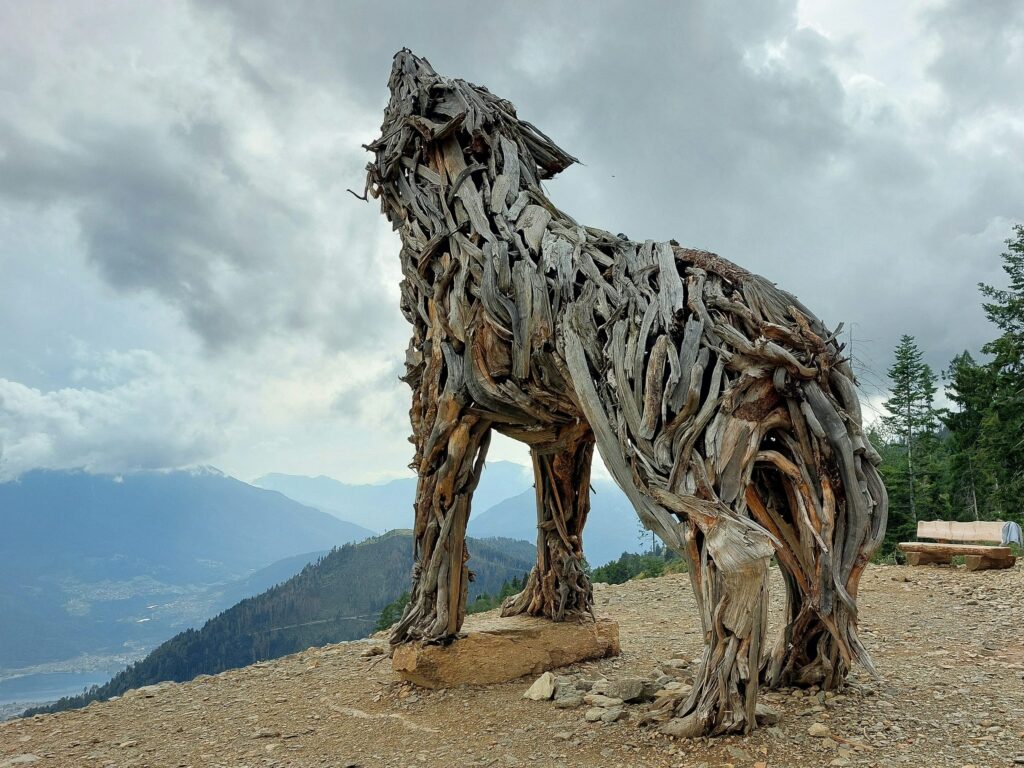
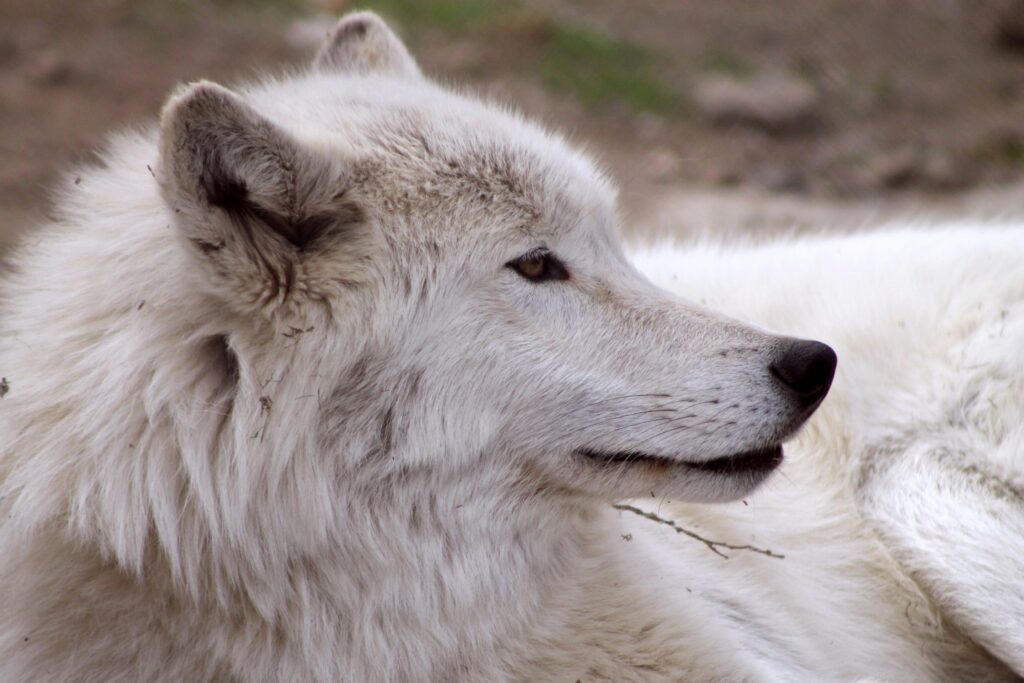
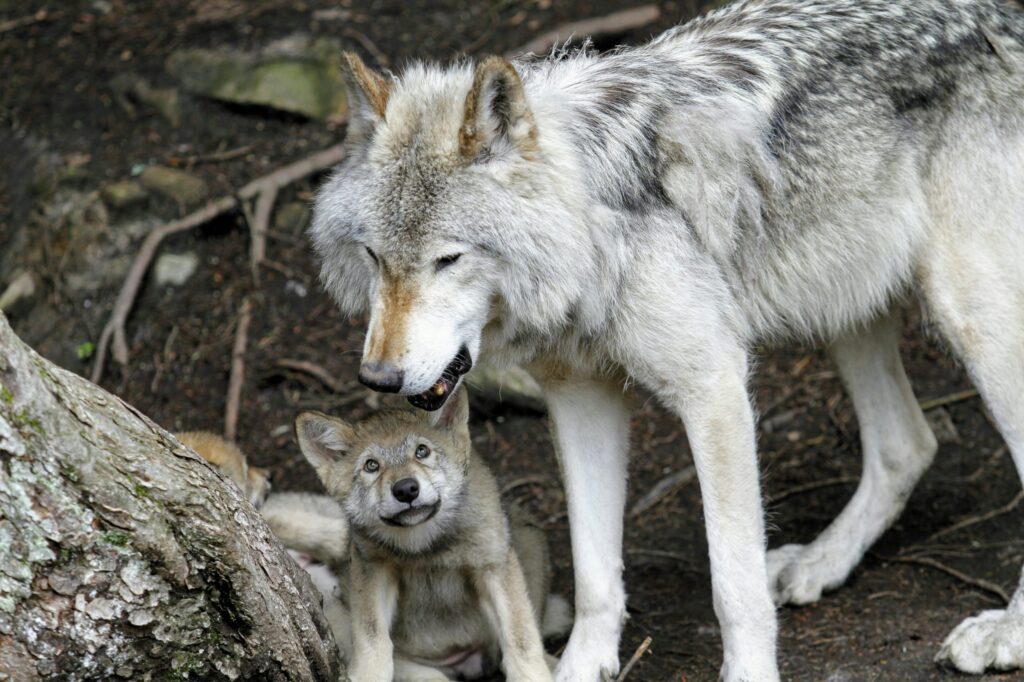
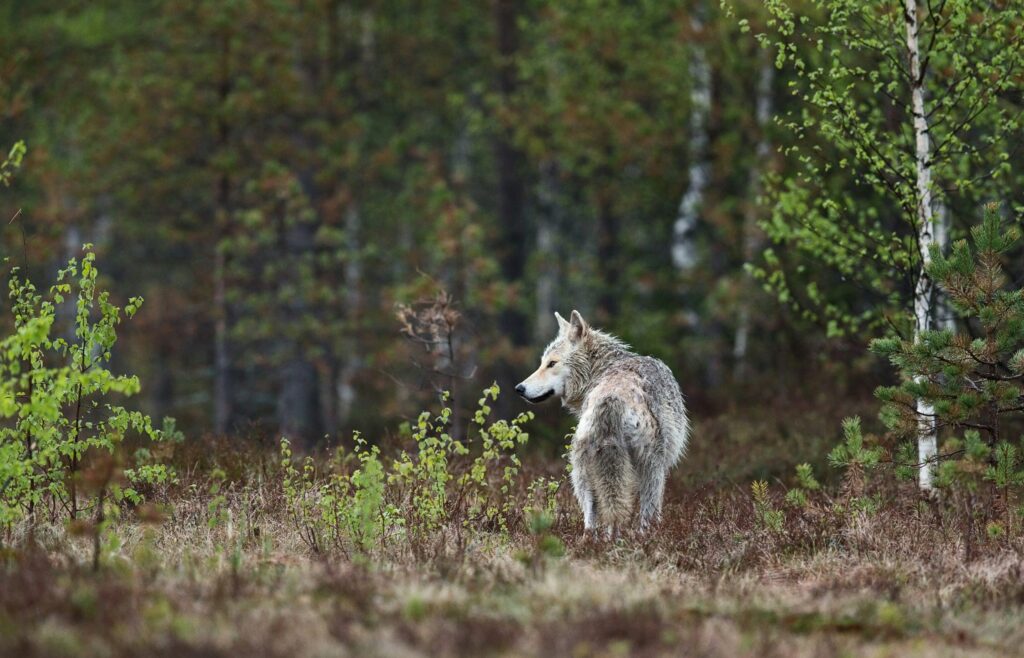
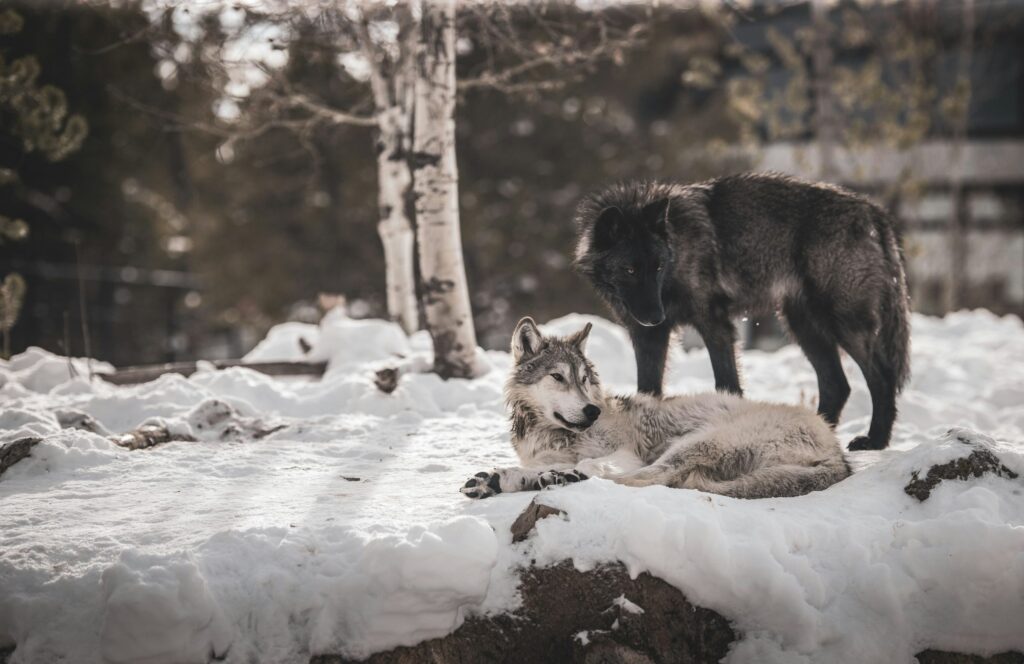
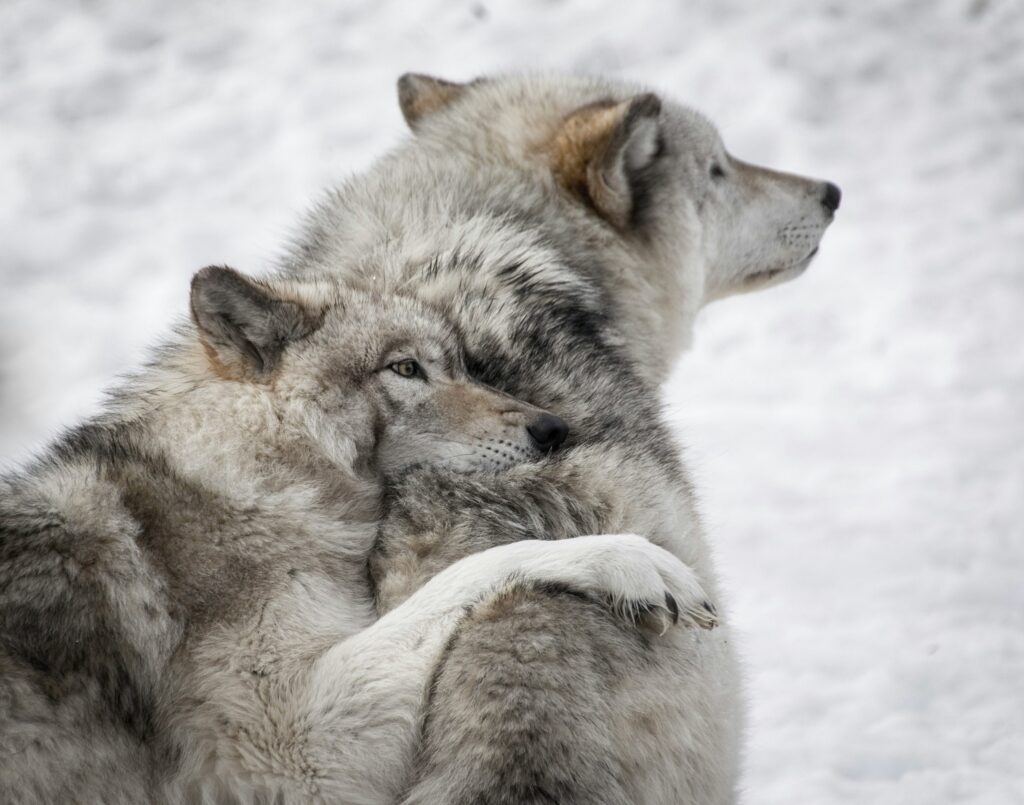
For decades, the idea of the “alpha wolf” has shaped business books, leadership advice, and even dog training methods. But this image doesn’t come from observing wolves in…
A practical, global guide to understanding how wolves perceive dogs and how different contexts—hiking with pets, using livestock guardian dogs, or working with hunting packs—change the risk equation.…
Roads are not just pavement for wolves. They act as shifting, invisible borders that change with traffic, time of day, and human activity. Beyond collisions, roads fragment territory,…
Wolf pups don’t “join” a pack. They grow into a family system built around care, cooperation, and learning. From den life and shared feeding to play, siblings-as-teachers, and…
As temperatures rise, wolves enter one of the most delicate phases of their year: pregnancy, denning, and birth. From the Arctic tundra to the Iberian Peninsula and South…
Finland shows how coexistence with wolves can be built through education, data, and local cooperation. From teaching kids to read tracks to using volunteer networks that turn sightings…
Modern media often turns wolves into characters rather than animals—either monsters to fear or symbols to idealize. Both narratives erase real behavior, real landscapes, and real coexistence tools,…
Wolves are real animals. “The Wolf” is also a character. This post explores how centuries of myths, folklore, and modern media have shaped our fears, values, and policies…
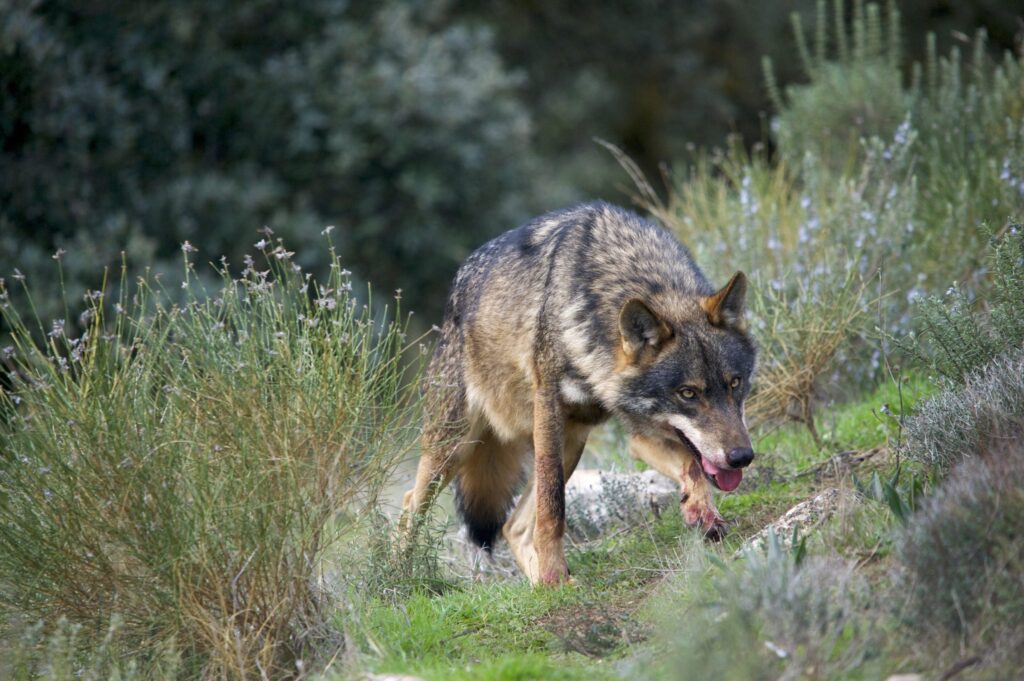
Wolves in Iberia don’t live in distant wilderness. They move through mountains, farms, and village edges, navigating landscapes shaped by people. Their story shows that coexistence is not…
•Chris Anderson
Make a difference
Every gift protects wild carnivores.
94¢ of every dollar reaches the field — tracking collars, research grants, educator visits and the C3 journal. Your support keeps the work alive.